

Published on: 2026-07-16 | Written by: Dr. Ahmed Suleiman Mohammed Suleiman, General Surgeon
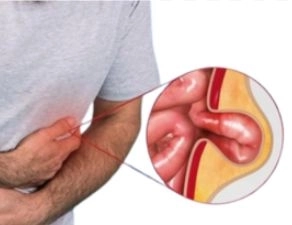
Treatment of Inguinal and Umbilical Hernias | Advanced Laparoscopic Surgery for Safe and Effective Repair
Inguinal and umbilical hernias are among the most common types of hernias affecting both children and adults. They occur when a weakness develops in the abdominal wall, allowing part of the intestine or fatty tissue to protrude through the weakened area. Early diagnosis and timely treatment are essential to prevent complications, promote faster recovery, and help patients return to their normal daily activities.
What Is an Inguinal Hernia?
Dr. Ahmed Soliman emphasizes that an inguinal hernia develops due to a weakness in the groin area or the inguinal canal, leading to a noticeable bulge that becomes more prominent while standing, coughing, or lifting heavy objects. It may also cause pain or discomfort, making early diagnosis essential to prevent serious complications.
What Is an Umbilical Hernia?
Dr. Ahmed Soliman explains that an umbilical hernia appears as a bulge around the navel caused by weakness in the abdominal wall muscles. It may occur in newborns or develop in adults as a result of pregnancy, obesity, or increased abdominal pressure. Careful evaluation is necessary to determine the most appropriate treatment.
What Causes Inguinal and Umbilical Hernias?
Dr. Ahmed Soliman confirms that the causes vary from one patient to another. Hernias may be congenital, present from birth, or develop due to heavy lifting, chronic coughing, persistent constipation, obesity, pregnancy, or age-related weakening of the abdominal muscles. Addressing the underlying cause is just as important as repairing the hernia itself.
Symptoms That Should Never Be Ignored
Dr. Ahmed Soliman warns that the appearance of a lump or swelling in the groin or around the navel, accompanied by pain during movement, coughing, or prolonged standing, may indicate a hernia. Increasing pain or the inability to push the bulge back into the abdomen requires immediate medical evaluation.
When Does a Hernia Become a Medical Emergency?
Dr. Ahmed Soliman emphasizes that a strangulated hernia is a surgical emergency. Severe sudden pain, redness over the hernia, repeated vomiting, or the inability to pass stool or gas may indicate that the blood supply to the intestine has been compromised, requiring urgent surgical intervention to prevent life-threatening complications.
How Is a Hernia Diagnosed?
Dr. Ahmed Soliman explains that hernia diagnosis primarily depends on a thorough clinical examination. In some cases, ultrasound or CT scans may be required to determine the size and contents of the hernia and to select the most appropriate surgical approach.
Treatment of Inguinal and Umbilical Hernias
Dr. Ahmed Soliman confirms that surgery is the definitive treatment for inguinal and umbilical hernias because hernias do not heal with medications or supportive belts. The choice of surgical technique depends on the patient's age, the size of the hernia, and the overall medical condition, with the goal of achieving the best long-term outcome and minimizing the risk of recurrence.
Laparoscopic Hernia Repair
Dr. Ahmed Soliman advises that laparoscopic surgery has become one of the most advanced techniques for repairing inguinal and umbilical hernias. The procedure is performed through small incisions using a high-definition camera and specialized instruments, resulting in less postoperative pain, minimal blood loss, faster recovery, and an earlier return to normal daily activities.
Advantages of Laparoscopic Hernia Repair
Dr. Ahmed Soliman emphasizes that laparoscopic hernia repair offers several important benefits, including smaller incisions, a lower risk of infection, reduced postoperative pain, a shorter hospital stay, improved cosmetic results, and a lower chance of hernia recurrence when postoperative instructions are carefully followed.
Recovery After Hernia Surgery
Dr. Ahmed Soliman explains that most patients are able to walk within a few hours after surgery and gradually resume their daily activities within a few days. However, patients are advised to avoid heavy lifting and carefully follow all postoperative instructions to ensure proper healing and achieve the best possible outcome.
Tips to Prevent Hernia Recurrence
Dr. Ahmed Soliman confirms that maintaining a healthy weight, treating chronic constipation, avoiding improper heavy lifting, quitting smoking, managing chronic cough, and strengthening the abdominal muscles under medical supervision can significantly reduce the risk of developing a hernia or experiencing recurrence after surgery.
Early Treatment Leads to Better Outcomes
Dr. Ahmed Soliman warns that delaying the treatment of an inguinal or umbilical hernia increases the risk of serious complications. Early surgical intervention, especially with modern laparoscopic techniques, offers a safe and effective solution with minimal pain, faster recovery, and excellent long-term results.