

Published on: 2026-07-16 | Written by: Dr. Ahmed Suleiman Mohammed Suleiman, General Surgeon
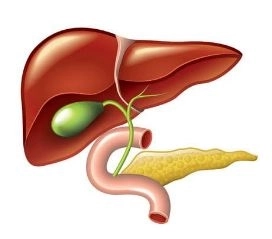
Laparoscopic Gallbladder and Appendix Removal | Advanced Minimally Invasive Surgery for Safe and Faster Recovery
Laparoscopic gallbladder and appendix removal are among the most common and successful minimally invasive surgical procedures performed today. This advanced technique uses small incisions instead of traditional open surgery, helping reduce pain, shorten recovery time, and allow patients to return to their normal daily activities much sooner. As a result, laparoscopic surgery has become the preferred treatment option for many conditions requiring surgical intervention.
What Is Laparoscopic Gallbladder Removal?
Dr. Ahmed Soliman emphasizes that laparoscopic gallbladder removal is the most effective treatment for symptomatic gallstones and recurrent gallbladder inflammation. This minimally invasive approach allows the gallbladder to be removed through small incisions while reducing surgical complications and promoting a faster recovery compared with conventional open surgery.
When Is Gallbladder Removal Necessary?
Dr. Ahmed Soliman explains that gallbladder removal may be recommended for patients who experience recurrent biliary colic, gallstones causing bile duct obstruction, acute cholecystitis, or complications affecting the liver or pancreas. He advises patients not to ignore these symptoms or delay treatment.
What Is Laparoscopic Appendectomy?
Dr. Ahmed Soliman confirms that laparoscopic appendectomy is one of the best treatment options for acute appendicitis. The procedure provides a clear view of the abdominal cavity, allowing precise removal of the inflamed appendix while minimizing postoperative pain and reducing the risk of wound infections.
Symptoms of Appendicitis That Require Immediate Medical Attention
Dr. Ahmed Soliman warns that severe abdominal pain beginning around the navel and moving to the lower right side of the abdomen, accompanied by nausea, vomiting, fever, or loss of appetite, may indicate acute appendicitis and requires immediate medical evaluation to prevent appendix rupture and serious complications.
Advantages of Laparoscopic Gallbladder and Appendix Surgery
Dr. Ahmed Soliman emphasizes that laparoscopic surgery offers numerous advantages, including smaller incisions, less postoperative pain, lower infection risk, earlier mobility, shorter hospital stays, and better cosmetic outcomes compared with traditional open surgery.
How Is Laparoscopic Surgery Performed?
Dr. Ahmed Soliman explains that the procedure is performed under general anesthesia using a high-definition laparoscope and specialized surgical instruments inserted through small abdominal incisions, allowing the operation to be carried out with exceptional precision while minimizing tissue damage and blood loss.
Preparing for Surgery
Dr. Ahmed Soliman confirms the importance of completing all required laboratory tests and medical evaluations before surgery, following fasting instructions, and informing the surgeon about all medications being taken, especially blood-thinning medications, to ensure the highest level of surgical safety.
Recovery After Laparoscopic Gallbladder or Appendix Removal
Dr. Ahmed Soliman advises that most patients are able to walk within a few hours after surgery and gradually resume their normal daily activities within a few days. He stresses the importance of following prescribed medications, dietary recommendations, and scheduled follow-up visits to achieve the best possible recovery.
Is Laparoscopic Surgery Safe?
Dr. Ahmed Soliman emphasizes that laparoscopic gallbladder and appendix removal are considered safe and highly effective procedures when performed by an experienced surgeon after a thorough medical evaluation and using the latest minimally invasive surgical techniques, resulting in excellent success rates and a lower risk of complications.
Why Do Many Patients Prefer Laparoscopic Surgery?
Dr. Ahmed Soliman explains that remarkable advances in minimally invasive surgery have made laparoscopy the preferred choice for many patients because it provides greater surgical precision, less postoperative discomfort, faster recovery, and an earlier return to work and everyday life, making it one of the most effective modern surgical techniques for gallbladder and appendix removal.