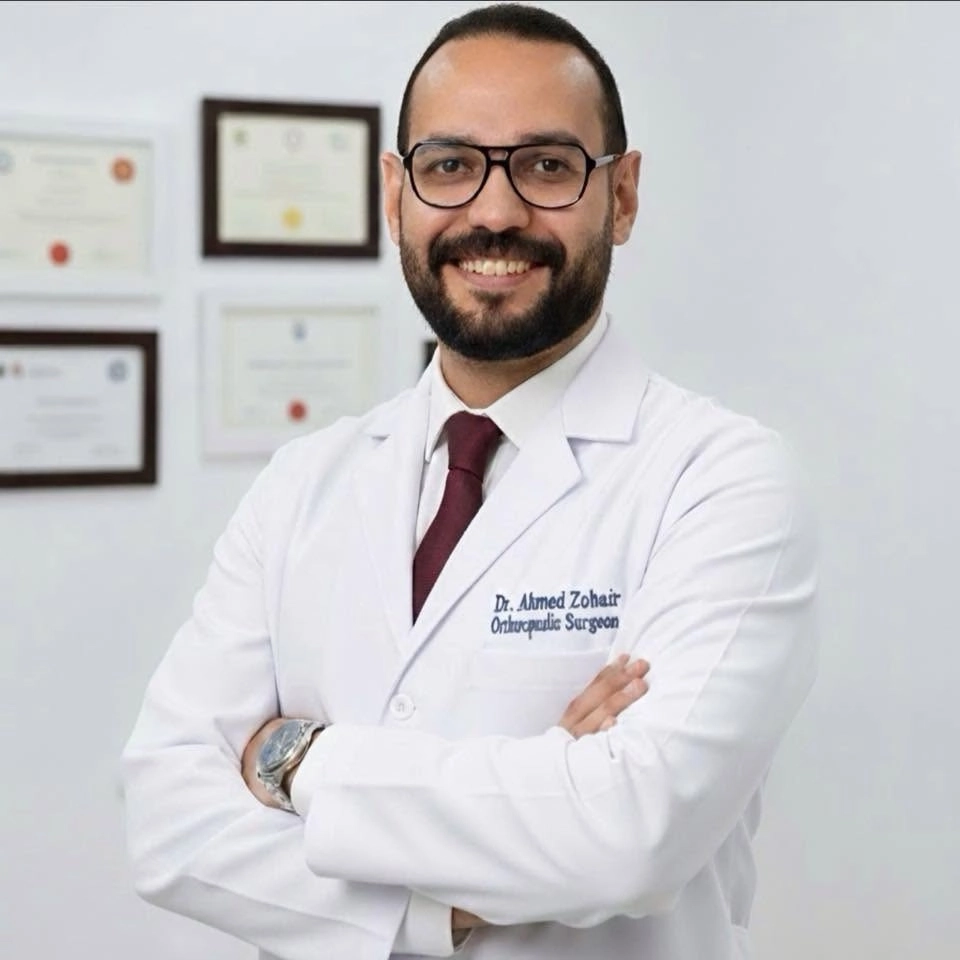

Published on: 2026-07-15 | Written by: Dr Ahmed Rizk Aliwa Orthopedic Surgeon
Spine Surgery and Herniated Disc Treatment: Modern Approaches to Restoring Mobility
The Importance of Early Treatment for Spine Disorders and Herniated Discs
Dr. Ahmed Rizk Aliwa emphasizes that herniated discs and spinal disorders can significantly affect mobility and quality of life if they are not diagnosed and treated promptly. Early medical intervention helps relieve pain, preserve nerve function, and improve overall treatment outcomes.
What Is a Herniated Disc?
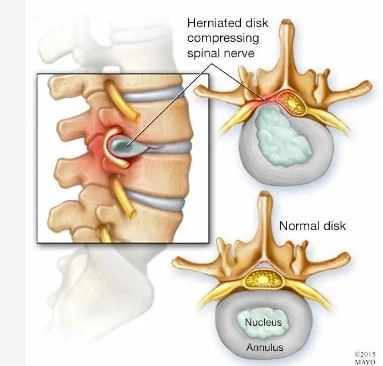
Dr. Ahmed Rizk Aliwa explains that a herniated disc occurs when part of the spinal disc protrudes and compresses nearby nerves or the spinal cord. This condition may affect the cervical, thoracic, or lumbar spine, and the symptoms and treatment options vary depending on the location and severity of the condition.
Causes of a Herniated Disc
Dr. Ahmed Rizk Aliwa confirms that the causes of a herniated disc may include aging, improper lifting techniques, prolonged sitting, obesity, direct trauma, and repetitive physical strain. Maintaining healthy lifestyle habits and proper body mechanics can help reduce the risk of developing this condition.
Symptoms of a Herniated Disc
Dr. Ahmed Rizk Aliwa advises that symptoms such as back or neck pain, numbness, muscle weakness, pain radiating to the arms or legs, and difficulty with movement should not be ignored. Severe weakness or loss of certain neurological functions may require immediate medical evaluation.
Diagnosis of Spinal Disorders
Dr. Ahmed Rizk Aliwa emphasizes that diagnosing spinal disorders and herniated discs depends on a detailed medical history, physical examination, and advanced imaging studies such as X-rays, MRI scans, and CT scans when necessary, allowing for an accurate diagnosis and an individualized treatment plan.
Non-Surgical Treatment for Herniated Discs
Dr. Ahmed Rizk Aliwa explains that many cases of herniated discs can be successfully treated without surgery through medications, physical therapy, muscle-strengthening exercises, and lifestyle modifications, along with regular follow-up to monitor the patient's progress.
When Is Spine Surgery Necessary?
Dr. Ahmed Rizk Aliwa confirms that spine surgery becomes necessary when conservative treatments fail to relieve symptoms, or when there is significant nerve compression, muscle weakness, or persistent pain that interferes with daily activities. The appropriate surgical procedure is determined based on each patient's specific condition.
Advanced Spine Surgery Techniques
Dr. Ahmed Rizk Aliwa advises that recent advances in spine surgery have introduced minimally invasive techniques that reduce surgical incision size, minimize postoperative pain, accelerate recovery, improve surgical precision, and preserve the surrounding healthy tissues.
Rehabilitation After Spine Surgery
Dr. Ahmed Rizk Aliwa emphasizes that following a structured physical therapy and rehabilitation program after spine surgery is essential for successful recovery, helping patients regain mobility, strengthen supporting muscles, improve spinal flexibility, and reduce the likelihood of symptom recurrence.
Preventing Herniated Discs
Dr. Ahmed Rizk Aliwa explains that preventing a herniated disc involves maintaining a healthy body weight, exercising regularly, strengthening the back and abdominal muscles, avoiding improper lifting techniques, and maintaining good posture while sitting and standing to protect the spine over the long term.
Achieving the Best Results from Spine Surgery and Herniated Disc Treatment
Dr. Ahmed Rizk Aliwa confirms that successful spine surgery and herniated disc treatment depend on early diagnosis, selecting the most appropriate treatment plan, utilizing advanced surgical techniques, and committing to postoperative rehabilitation and regular follow-up, helping patients relieve pain, restore mobility, and improve their overall quality of life.