
Published on: 2026-07-15 | Written by: Dr. Mohamed Bishr, Consultant in Ophthalmology
Laser Treatment for Retinal Tears and Retinal Detachment: Modern Approaches to Preserving Vision
The Importance of Laser Treatment for Retinal Tears and Retinal Detachment
Dr. Mohamed Beshr emphasizes that retinal tears and retinal detachment are among the most serious eye conditions that can lead to permanent vision loss if not treated promptly. Early diagnosis and timely intervention play a crucial role in preserving the retina and reducing the risk of long-term visual complications.
What Are Retinal Tears and Retinal Detachment?
Dr. Mohamed Beshr explains that a retinal tear occurs when a break or hole develops in the retinal tissue, often due to traction from the vitreous gel or other underlying causes. This tear may allow fluid to pass beneath the retina, leading to retinal detachment, a sight-threatening condition that requires immediate medical attention to preserve vision.
Causes of Retinal Tears and Retinal Detachment
Dr. Mohamed Beshr confirms that retinal tears and retinal detachment may result from aging, posterior vitreous detachment, severe myopia, eye injuries, previous eye surgeries, or diabetic retinal disease in some patients. Identifying these risk factors is essential for early detection and timely treatment.
Symptoms of Retinal Tears and Retinal Detachment
Dr. Mohamed Beshr advises that symptoms such as flashes of light, a sudden increase in floaters, the sensation of a dark curtain covering part of the visual field, partial vision loss, or sudden blurred vision require immediate evaluation by an ophthalmologist, as delaying treatment may increase the likelihood of complete retinal detachment.
Diagnosis of Retinal Tears and Retinal Detachment
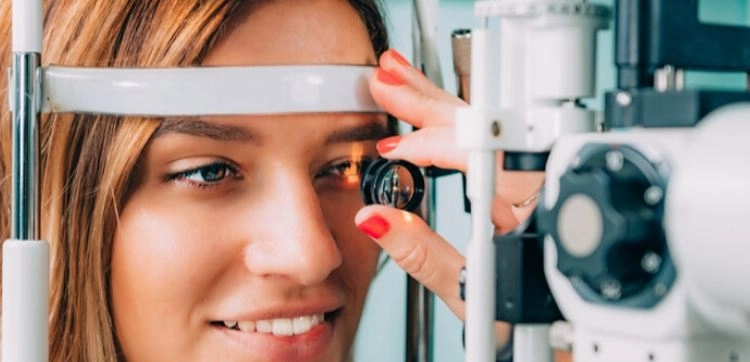
Dr. Mohamed Beshr emphasizes that diagnosing retinal tears and retinal detachment requires a comprehensive dilated eye examination using advanced diagnostic equipment. In some cases, retinal imaging or ocular ultrasound may be performed to establish an accurate diagnosis and determine the most appropriate treatment plan.
Laser Treatment for Retinal Tears
Dr. Mohamed Beshr explains that laser treatment for retinal tears is one of the most effective treatment options for suitable cases. The laser creates small adhesion points around the retinal tear, sealing it and helping prevent fluid from passing underneath the retina, thereby reducing the risk of retinal detachment. In many patients, this procedure can be completed quickly without the need for surgery.
When Is Laser Treatment Not Enough?
Dr. Mohamed Beshr confirms that in some cases of retinal detachment, laser treatment alone may not be sufficient, particularly when the detachment is extensive or involves the central retina (macula). In such situations, specialized retinal surgery may be necessary to reattach the retina and preserve as much vision as possible.
The Importance of Follow-Up After Laser Treatment
Dr. Mohamed Beshr advises that regular follow-up after laser treatment for retinal tears is essential to ensure the retina remains stable and to monitor the healing process. Follow-up examinations also help detect any new retinal tears or changes that may require early intervention.
Preventing Complications of Retinal Diseases
Dr. Mohamed Beshr emphasizes that individuals with diabetes, severe myopia, or a history of eye injuries should undergo regular retinal examinations, as early detection of retinal abnormalities significantly increases the chances of successful treatment and reduces the risk of permanent vision loss.
When Should You Visit an Eye Specialist?
Dr. Mohamed Beshr explains that patients should seek immediate ophthalmic evaluation if they experience sudden vision changes, flashes of light, a rapid increase in floaters, or the appearance of a shadow or curtain across their vision, as prompt diagnosis may be the key to preserving eyesight.
Achieving the Best Results with Laser Treatment for Retinal Tears and Retinal Detachment
Dr. Mohamed Beshr confirms that successful laser treatment for retinal tears and retinal detachment depends on early diagnosis, selecting the most appropriate treatment approach, adhering to regular follow-up, and utilizing the latest laser technologies, all of which help preserve retinal health and improve long-term visual outcomes.