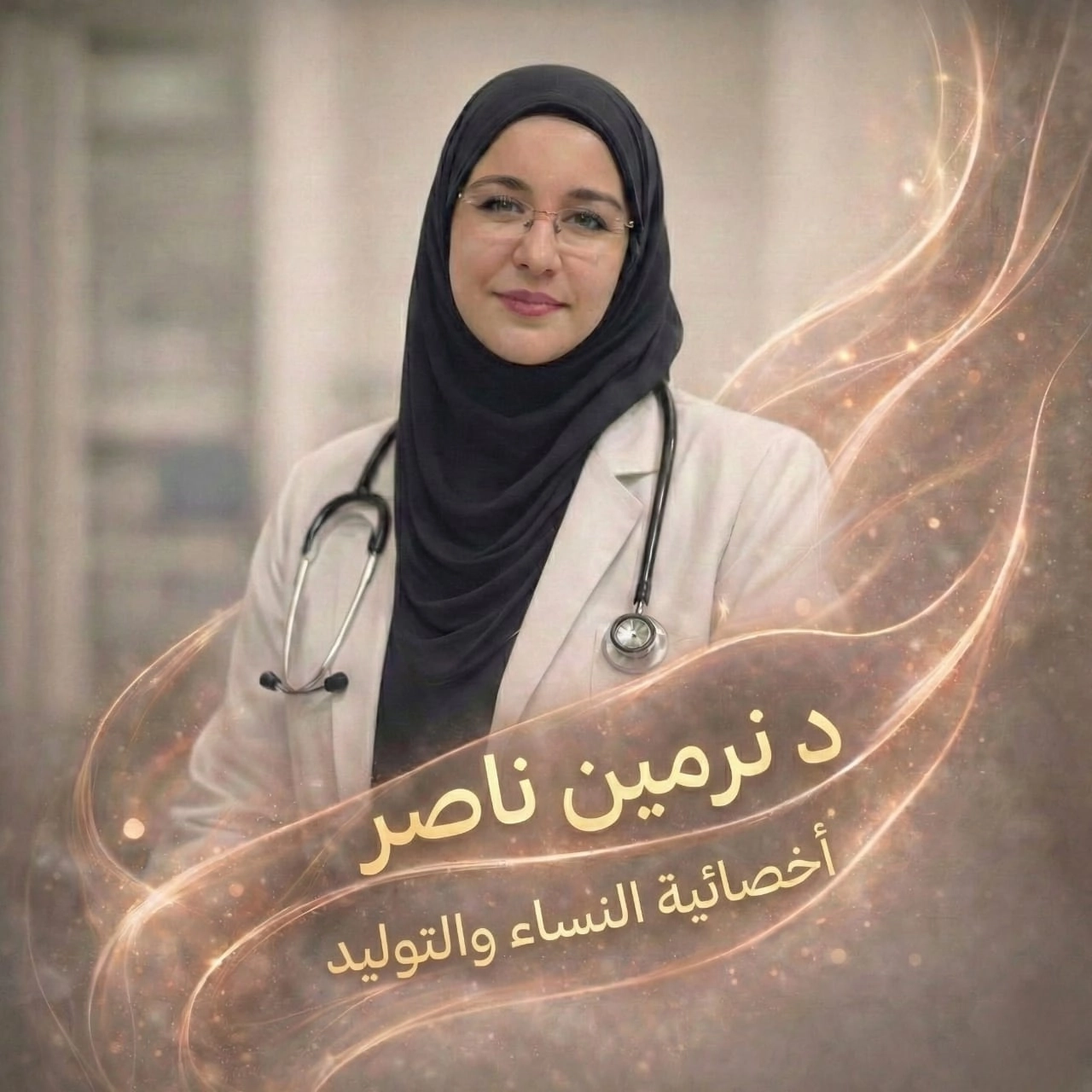

Published on: 2026-07-15 | Written by: Dr. Amani Ezz El-Din, Consultant in Obstetrics

Treatment of Menstrual Disorders, Causes, and Modern Diagnostic Methods
The Importance of Diagnosing Menstrual Disorders
Dr. Amani Ezz El Din emphasizes that menstrual disorders are among the most common gynecological problems that require accurate medical evaluation to identify the main cause behind irregular periods or changes in menstrual patterns. These disorders may be related to hormonal changes, ovulation problems, or certain gynecological conditions that require proper follow-up and treatment.
What Are Menstrual Disorders?
Dr. Amani Ezz El Din explains that menstrual disorders include irregular menstrual cycles, increased or decreased menstrual bleeding, abnormal bleeding, or severe pain during menstruation. The causes of these disorders vary from one woman to another depending on age, health condition, and hormonal changes.
Causes of Irregular Menstrual Cycles
Dr. Amani Ezz El Din confirms that causes of menstrual disorders may include hormonal imbalance, polycystic ovary syndrome (PCOS), thyroid disorders, weight changes, psychological stress, and some problems related to the uterus or ovaries. Therefore, accurate diagnosis helps determine the appropriate treatment.
Symptoms of Menstrual Disorders
Dr. Amani Ezz El Din advises that symptoms requiring consultation with a gynecologist include long-term absence of menstruation, heavy bleeding, frequent irregular periods, or severe menstrual pain. These signs may indicate a medical condition that requires evaluation and treatment.
Diagnosis of Menstrual Disorders
Dr. Amani Ezz El Din emphasizes that diagnosing menstrual problems depends on reviewing the patient's medical history, performing a medical examination, and conducting necessary tests such as hormone analysis and ultrasound examinations of the uterus and ovaries. This helps identify the actual cause of the disorder and develop an appropriate treatment plan.
Treatment of Menstrual Disorders
Dr. Amani Ezz El Din explains that treatment of menstrual disorders varies according to the underlying cause. It may include hormonal regulation, treatment of polycystic ovary syndrome, improving ovulation, or treating problems affecting the uterus or ovaries. The treatment plan is selected according to each woman's condition and health needs.
Treatment of Menstrual Disorders Caused by Polycystic Ovary Syndrome
Dr. Amani Ezz El Din confirms that polycystic ovary syndrome (PCOS) is one of the common causes of irregular menstrual cycles, as it affects ovulation and hormone levels. It requires medical follow-up, hormone regulation, lifestyle improvement, and choosing the appropriate treatment to help restore regular periods.
Managing Severe Menstrual Pain
Dr. Amani Ezz El Din advises that severe menstrual pain should not be ignored, as it may be associated with conditions such as endometriosis or other health problems that require medical evaluation. Early diagnosis helps relieve symptoms and improve women's quality of life.
The Importance of Regular Gynecological Follow-Up
Dr. Amani Ezz El Din emphasizes that regular follow-up helps detect any abnormal changes in the menstrual cycle early and contributes to maintaining women's health by diagnosing gynecological problems before complications occur.
When Should You Visit a Doctor for Menstrual Disorders?
Dr. Amani Ezz El Din explains that medical consultation is necessary when there is a sudden change in the menstrual cycle, prolonged absence of periods, unusual bleeding, or recurring severe pain. Medical evaluation helps identify the cause and choose the appropriate treatment.
Achieving the Best Results in Treating Menstrual Disorders
Dr. Amani Ezz El Din confirms that successful treatment of menstrual disorders depends on accurate diagnosis, identifying the cause of the problem, following the treatment plan, and maintaining regular medical follow-up, which helps restore menstrual regularity and preserve women's health.