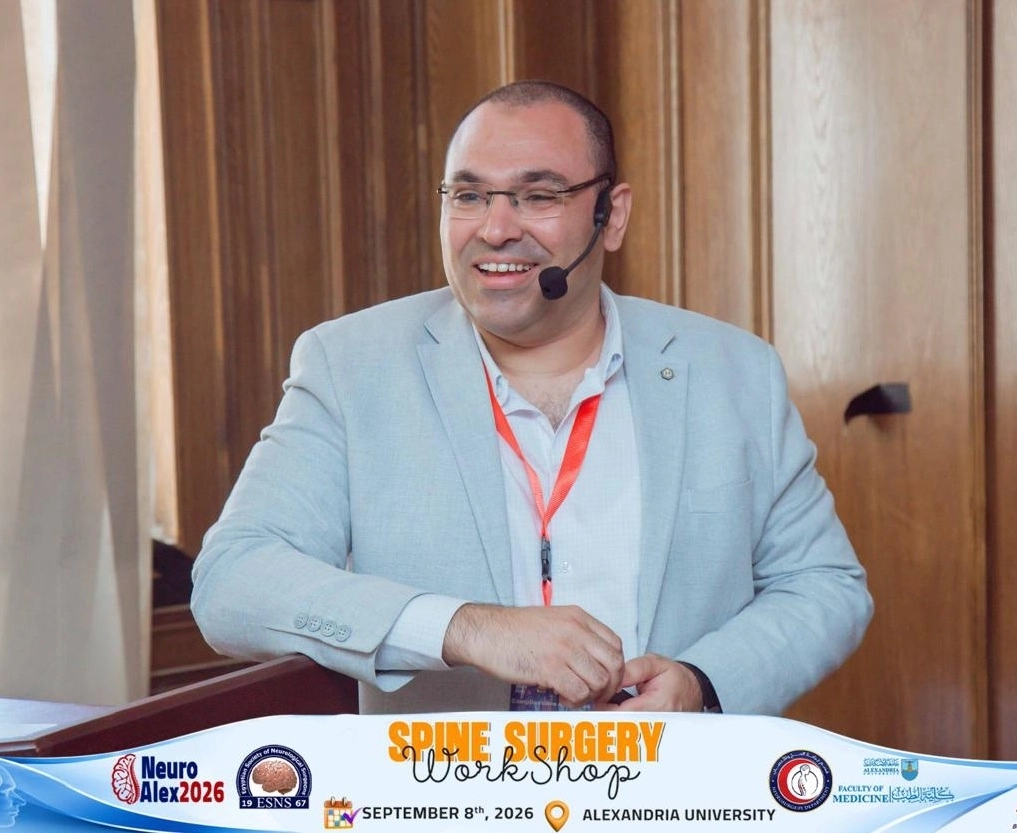
Published on: 2026-07-15 | Written by: Professor Dr. Sameh Ragab, Consultant Neurosurgeon
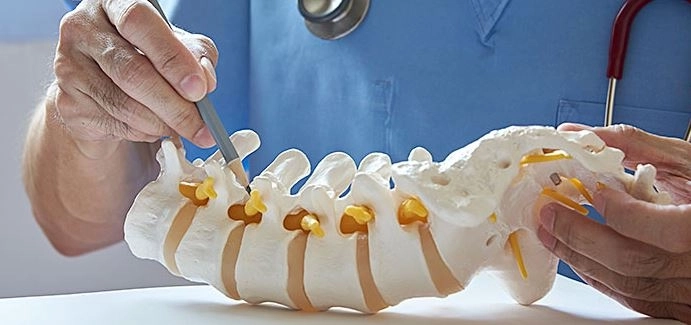
Spine surgery is one of the most advanced fields in neurosurgery, focusing on the diagnosis and treatment of disorders affecting the vertebrae, intervertebral discs, spinal cord, and spinal nerves. These conditions can significantly impact mobility, daily function, and overall quality of life. Thanks to remarkable advances in microsurgical techniques, minimally invasive spine surgery, and spinal fixation technologies, many spinal disorders can now be treated with greater precision, less postoperative pain, and shorter recovery periods, enabling patients to return to their normal activities more quickly and safely.
What Is Spine Surgery?
Dr. Sameh Ragab explains that spine surgery includes a wide range of specialized procedures performed to treat disorders affecting the cervical, thoracic, and lumbar spine. These conditions include herniated discs, spinal canal stenosis, vertebral fractures, spinal deformities, spinal tumors, infections, and spinal instability. The choice of surgical procedure depends on an accurate diagnosis, the patient's overall health condition, and the goal of relieving pressure on the spinal cord and nerves while preserving normal spinal function whenever possible.
When Is Spine Surgery Necessary?
Dr. Sameh Ragab emphasizes that spine surgery is not the first treatment option for every patient. Surgery is generally recommended only when medications, physical therapy, and spinal injections fail to provide adequate relief or when serious conditions are present, such as severe nerve compression, progressive muscle weakness, loss of sensation, bowel or bladder dysfunction, unstable spinal fractures, or tumors affecting the spinal cord. Timely surgical intervention can help prevent permanent neurological damage and improve long-term outcomes.
Types of Spine Surgery
Dr. Sameh Ragab confirms that spine surgery includes a variety of advanced procedures such as microdiscectomy for herniated discs, spinal decompression, spinal fusion with screws and rods, artificial disc replacement, correction of spinal deformities, spinal tumor removal, and minimally invasive endoscopic or microscopic spine surgery. The most appropriate technique is selected according to the patient's diagnosis, age, symptoms, and the severity of nerve involvement.
Advantages of Modern Spine Surgery
Dr. Sameh Ragab points out that modern spine surgery offers numerous benefits, including smaller surgical incisions, reduced blood loss, less postoperative pain, faster recovery, lower infection rates, and greater surgical precision when operating around delicate spinal nerves and the spinal cord. These technological advances have significantly improved surgical success rates while reducing the risk of complications compared with traditional open procedures.
Recovery After Spine Surgery
Dr. Sameh Ragab explains that recovery after spine surgery varies depending on the type of procedure and the patient's overall condition. A successful recovery plan typically includes physical therapy, individualized rehabilitation exercises, prescribed medications, avoiding heavy lifting, and attending regular follow-up appointments. Adhering to these recommendations helps restore mobility, strengthen the supporting muscles, and maximize long-term surgical success.
Does Every Case of Back Pain Require Surgery?
No. Most cases of back and neck pain can be effectively managed without surgery through medications, physical therapy, lifestyle modifications, and muscle-strengthening exercises. Spine surgery is reserved for carefully selected patients whose conditions require surgical intervention after comprehensive medical evaluation by a spine specialist.
Tips for Maintaining a Healthy Spine
To protect spinal health and reduce the risk of spine-related disorders, it is recommended to:
Maintain proper posture while sitting and working.
Exercise regularly to strengthen the back and core muscles.
Use proper lifting techniques and avoid lifting heavy objects incorrectly.
Maintain a healthy body weight to reduce stress on the spine.
Seek early medical evaluation if persistent back pain or neurological symptoms develop.
Spine surgery has become one of the most effective treatment options for managing a wide range of disorders affecting the vertebrae, spinal nerves, and spinal cord. Early diagnosis, advanced surgical techniques, appropriate timing of intervention, and commitment to postoperative rehabilitation are the key factors that contribute to successful outcomes, pain relief, restoration of mobility, and a safe return to normal daily life.