
Published on: 2026-07-15 | Written by: Dr.Nahal El-Meniawy Obstetrics and Gynecology
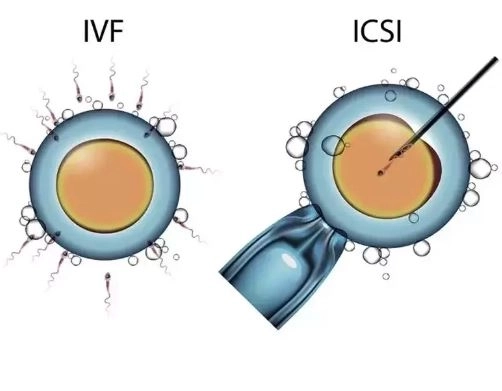
Intracytoplasmic Sperm Injection (ICSI) is one of the most advanced and successful techniques in assisted reproductive technology (ART), helping millions of couples worldwide achieve their dream of parenthood after experiencing difficulties with natural conception. The procedure involves injecting a single healthy sperm directly into a mature egg under a high-powered microscope in a specialized laboratory. After successful fertilization, the resulting embryos are carefully monitored before being transferred into the uterus. Continuous advancements in fertility treatment technologies, laboratory equipment, and embryology have significantly improved ICSI success rates, particularly when patients receive accurate diagnosis and individualized treatment plans.
What Is Intracytoplasmic Sperm Injection (ICSI)?
Dr. Nehal El Miniawy explains that ICSI is a highly specialized assisted reproductive technique used when natural conception is difficult. The treatment begins with ovarian stimulation to produce multiple mature eggs, followed by egg retrieval using a minimally invasive procedure. The highest-quality sperm are then selected, and a single sperm is injected directly into each mature egg in the laboratory. After fertilization, the healthiest embryos are cultured and transferred into the uterus at the optimal time to maximize the chances of a successful pregnancy, while every stage of the treatment is closely monitored by fertility specialists.
When Is ICSI Recommended?
Dr. Nehal El Miniawy emphasizes that ICSI is recommended in a variety of infertility cases, including low sperm count, poor sperm motility, blocked fallopian tubes, endometriosis, selected cases of polycystic ovary syndrome (PCOS), unexplained infertility, repeated failure of intrauterine insemination (IUI), or when preimplantation genetic testing (PGT) is required. The decision to proceed with ICSI is made after a comprehensive medical evaluation of both partners and the completion of all necessary fertility investigations.
Steps of the ICSI Procedure
Dr. Nehal El Miniawy confirms that ICSI consists of several carefully coordinated stages, beginning with controlled ovarian stimulation using fertility medications, monitoring follicular development by ultrasound, egg retrieval, sperm preparation, laboratory fertilization through sperm injection, embryo culture and monitoring, and finally embryo transfer into the uterus at the most appropriate time. Every step is performed according to strict medical protocols to provide the highest possible chance of success.
Factors Affecting ICSI Success
Dr. Nehal El Miniawy points out that the success of ICSI depends on several important factors, including the woman's age, egg quality, sperm quality, the underlying cause of infertility, uterine health, lifestyle habits, and the experience of the fertility team. Careful adherence to medical instructions before and after embryo transfer also plays a vital role in improving pregnancy rates and supporting healthy embryo implantation.
Tips Before and After ICSI
Dr. Nehal El Miniawy explains that following medical advice before and after ICSI can significantly improve treatment outcomes. Patients are encouraged to maintain a healthy and balanced diet, achieve an appropriate body weight, avoid smoking, take all prescribed medications exactly as instructed, reduce stress whenever possible, and attend all scheduled follow-up appointments and examinations. Patients should also contact their fertility specialist immediately if any unusual symptoms occur during treatment.
Is ICSI Safe?
ICSI is considered a safe and well-established fertility treatment when performed in a specialized fertility center by an experienced medical team. Although some patients may experience mild complications such as ovarian hyperstimulation syndrome (OHSS) or multiple pregnancy in selected cases, careful monitoring throughout treatment significantly reduces these risks and allows early intervention when necessary.
When Are ICSI Results Confirmed?
A pregnancy blood test (Beta-hCG) is typically performed approximately 10 to 14 days after embryo transfer to determine whether implantation has been successful. Blood testing is considered more accurate than home pregnancy tests, and patients are advised to carefully follow all medical recommendations during the waiting period to optimize their chances of success.
Tips to Improve ICSI Success Rates
To maximize the chances of a successful ICSI cycle, patients should:
Strictly follow the individualized treatment plan prescribed by the fertility specialist.
Maintain a nutritious, well-balanced diet rich in essential vitamins and minerals.
Achieve and maintain a healthy body weight before beginning treatment.
Avoid smoking, alcohol, and other harmful lifestyle habits.
Attend all follow-up appointments and complete every recommended medical investigation.
Intracytoplasmic Sperm Injection (ICSI) is one of the greatest achievements in modern infertility treatment, offering countless couples a real opportunity to build a family. Early diagnosis, personalized treatment planning, advanced laboratory techniques, and continuous medical follow-up are the key factors that contribute to higher success rates and increase the likelihood of achieving a healthy pregnancy and the birth of a healthy baby.