

Published on: 2026-07-15 | Written by: Dr. Mohamed Hassan Saeed,of Ophthalmology
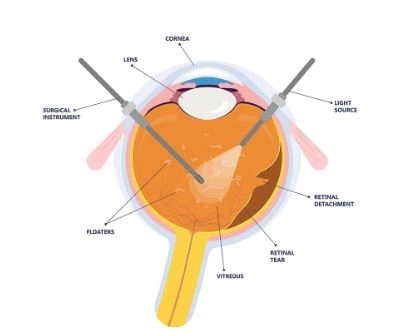
Vitrectomy surgery is one of the most advanced and delicate procedures in ophthalmology, designed to treat a wide range of disorders affecting the vitreous body and retina that may seriously impair vision if left untreated. During this procedure, the vitreous gel is partially or completely removed and replaced with a specialized solution, gas bubble, or silicone oil, depending on the patient's condition. This allows the surgeon to repair retinal damage, remove intraocular bleeding, and eliminate scar tissue that interferes with vision. Thanks to significant advances in microsurgical techniques and ophthalmic technology, vitrectomy now offers excellent success rates and improved visual outcomes for many patients.
What Is Vitrectomy Surgery?
Dr. Mohamed Hassan Said explains that vitrectomy is a highly specialized microsurgical procedure in which the gel-like vitreous body inside the eye is carefully removed to provide direct access to the retina. Once the underlying retinal problem has been treated, the vitreous is replaced with an appropriate substance to maintain the eye's shape and support retinal healing. The surgery is performed using advanced microsurgical instruments inserted through tiny incisions, minimizing complications and promoting faster recovery.
When Is Vitrectomy Recommended?
Dr. Mohamed Hassan Said emphasizes that vitrectomy surgery is recommended for several serious eye conditions, including retinal detachment, vitreous hemorrhage caused by diabetic retinopathy, macular hole, epiretinal membrane, severe eye injuries, retained intraocular foreign bodies, and certain severe eye infections. It is also performed to remove dense vitreous opacities that block light from reaching the retina and significantly affect visual clarity.
Symptoms That May Require Vitrectomy
Dr. Mohamed Hassan Said confirms that several warning signs may indicate the need for vitrectomy surgery, including sudden or progressive vision loss, the appearance of numerous floaters, flashes of light, severe blurred vision, or the sensation of a dark curtain covering part of the visual field. Immediate evaluation by an ophthalmologist is essential whenever these symptoms occur to ensure early diagnosis and timely treatment.
How Is Vitrectomy Performed?
Dr. Mohamed Hassan Said points out that vitrectomy surgery is usually performed under local or general anesthesia, depending on the patient's condition. Tiny incisions are created in the eye to introduce microsurgical instruments that remove the vitreous gel. The underlying condition is then treated, such as repairing a detached retina, removing vitreous hemorrhage, or peeling scar tissue from the retinal surface. Finally, the eye may be filled with a gas bubble or silicone oil to stabilize the retina and promote proper healing.
Recovery and Expected Results
Dr. Mohamed Hassan Said explains that the outcome of vitrectomy surgery depends on the specific eye condition, the duration of the disease, and the extent of retinal damage before surgery. Early intervention significantly improves the chances of preserving or restoring vision. Patients who receive a gas bubble may need to maintain a specific head position after surgery and should carefully follow all prescribed medications and postoperative instructions to achieve the best possible visual outcome.
Possible Risks and Complications
Although vitrectomy surgery is considered a safe and highly effective procedure when performed by an experienced retinal surgeon, potential complications may include elevated intraocular pressure, infection, bleeding, cataract formation, or recurrent retinal detachment. Regular postoperative follow-up is essential for monitoring recovery and identifying any complications at an early stage.
Postoperative Care Tips
To achieve the best recovery after vitrectomy surgery, patients are advised to:
Use all prescribed eye drops exactly as directed.
Avoid rubbing or putting pressure on the eye.
Maintain the recommended head position if instructed by the surgeon.
Avoid heavy lifting and strenuous physical activities during the recovery period.
Attend all scheduled follow-up appointments to monitor healing and visual improvement.
Vitrectomy surgery is one of the most advanced ophthalmic procedures available for treating diseases of the vitreous body and retina, helping preserve vision and improve visual function in many patients. Early diagnosis, timely surgical intervention, and strict adherence to postoperative care instructions are essential for maximizing surgical success, improving visual outcomes, and reducing the risk of permanent vision loss.