
Published on: 2026-07-14 | Written by: Dr. Osama Hammad, Professor Department of Internal
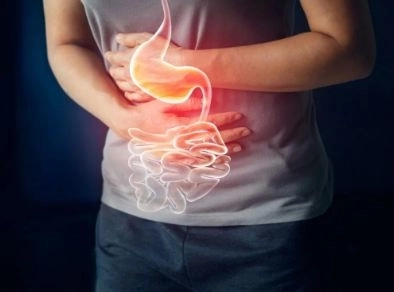
Treatment of Gastrointestinal Diseases | Accurate Diagnosis and Advanced Medical Care for Digestive Health
The Importance of Early Diagnosis of Gastrointestinal Diseases
Dr. Osama Hammad emphasizes that early diagnosis of gastrointestinal diseases plays a vital role in preventing complications, as timely detection allows for more effective treatment of disorders affecting the stomach, colon, esophagus, intestines, and digestive system, helping patients achieve better health outcomes and an improved quality of life.
What Are the Most Common Gastrointestinal Diseases?
He explains that gastrointestinal diseases include gastroesophageal reflux disease (GERD), gastritis, peptic ulcers, irritable bowel syndrome (IBS), colitis, indigestion, chronic constipation, chronic diarrhea, inflammatory bowel diseases, and liver and gallbladder disorders, and that successful treatment depends on identifying the exact underlying cause through a comprehensive medical evaluation.
Symptoms of Gastrointestinal Diseases That Require Medical Attention
Dr. Osama Hammad confirms that persistent abdominal pain, frequent heartburn, difficulty swallowing, bloating, nausea, vomiting, chronic constipation or diarrhea, gastrointestinal bleeding, and unexplained weight loss should never be ignored, as these symptoms require prompt medical assessment to establish an accurate diagnosis and initiate appropriate treatment before complications develop.
How Are Gastrointestinal Diseases Diagnosed?
He points out that diagnosing gastrointestinal diseases involves a detailed medical history, physical examination, blood tests, stool analysis, abdominal ultrasound, CT scans when necessary, and upper or lower gastrointestinal endoscopy, allowing physicians to accurately identify the cause of symptoms and develop the most appropriate treatment plan for each patient.
The Latest Treatments for Gastrointestinal Diseases
Dr. Osama Hammad stresses that the treatment of gastrointestinal diseases varies according to the specific condition and its severity, and may include acid-suppressing medications, antibiotics for certain infections, medications for irritable bowel syndrome, nutritional therapy, or therapeutic endoscopic procedures when indicated, followed by regular monitoring to ensure the best possible outcomes.
The Role of Gastrointestinal Endoscopy in Diagnosis and Treatment
He explains that gastrointestinal endoscopy is one of the most advanced diagnostic and therapeutic tools available, enabling the accurate evaluation of the esophagus, stomach, duodenum, and colon. It can also be used to obtain tissue samples for biopsy or treat certain conditions without the need for conventional surgery, resulting in faster recovery and fewer complications.
The Importance of Nutrition and Lifestyle in Digestive Health
Dr. Osama Hammad confirms that maintaining a balanced diet rich in fiber, drinking adequate amounts of water, limiting fatty and spicy foods, reducing carbonated beverages, avoiding smoking, and engaging in regular physical activity are essential measures for preventing many gastrointestinal disorders and promoting healthy digestion.
When Should You Consult a Gastroenterology Specialist?
He warns that consulting a gastroenterology specialist is essential if digestive symptoms persist for several days, recur frequently, or are accompanied by gastrointestinal bleeding, difficulty swallowing, unexplained weight loss, or persistent vomiting, as early diagnosis significantly improves treatment success and reduces the risk of complications.
Comprehensive Care for Gastrointestinal Diseases
Dr. Osama Hammad emphasizes that successful treatment of gastrointestinal diseases depends on an accurate diagnosis, an individualized treatment plan, regular follow-up, and the use of the latest diagnostic technologies and endoscopic procedures, ensuring comprehensive, high-quality medical care that helps patients restore their digestive health and prevent future complications.