
Published on: 2026-07-14 | Written by: Dr. Osama Hammad, Professor Department of Internal
Diagnosis and Treatment of Liver Diseases | Advanced Medical Care for Better Liver Health
The Importance of Early Diagnosis of Liver Diseases
Dr. Osama Hammad emphasizes that early diagnosis of liver diseases is one of the most important factors for successful treatment, as it helps detect viral hepatitis, fatty liver disease, liver cirrhosis, and liver tumors at an early stage before complications develop, giving patients a greater opportunity to preserve liver function and improve their quality of life.
What Are the Most Common Liver Diseases?
He explains that liver diseases include fatty liver disease, viral hepatitis, liver cirrhosis, elevated liver enzymes, liver tumors, and biliary tract disorders. Since treatment depends on the underlying cause and the severity of liver damage, symptoms alone are not sufficient, and comprehensive medical evaluation is essential.
Symptoms of Liver Disease That Should Not Be Ignored
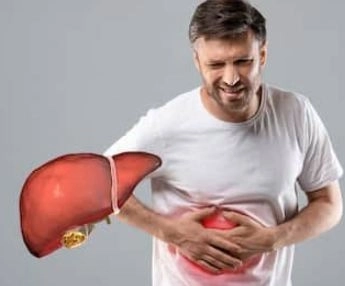
Dr. Osama Hammad confirms that liver disease may initially present with mild symptoms such as persistent fatigue, loss of appetite, nausea, and pain in the upper right abdomen, but it can progress to jaundice, swelling of the legs, fluid retention, and severe itching, making prompt medical evaluation essential for accurate diagnosis and timely treatment.
How Are Liver Diseases Diagnosed?
He points out that diagnosing liver diseases relies on a detailed medical history, physical examination, liver function tests, viral hepatitis screening, abdominal ultrasound, CT scans or MRI when indicated, and in some cases endoscopic procedures or a liver biopsy to establish an accurate diagnosis and determine the most appropriate treatment plan.
The Latest Treatments for Liver Diseases
Dr. Osama Hammad stresses that the treatment of liver diseases depends on identifying the underlying cause. Management may include antiviral medications, treatment of fatty liver disease through weight reduction and lifestyle modification, or managing complications of liver cirrhosis, along with regular follow-up to monitor treatment response and prevent disease progression.
The Role of Nutrition and Lifestyle in Liver Health
He explains that following a healthy diet, reducing saturated fats and refined sugars, maintaining an ideal body weight, engaging in regular physical activity, avoiding smoking and alcohol, and adhering to prescribed medications all play a vital role in protecting liver function and supporting long-term liver health.
When Should You Visit a Liver Specialist?
Dr. Osama Hammad confirms that patients should consult a liver specialist if they experience persistently elevated liver enzymes, viral hepatitis, jaundice, continuous pain in the upper right abdomen, or have a family history of liver disease, as early intervention significantly reduces the risk of serious complications.
The Importance of Regular Follow-Up for Liver Patients
He warns that regular medical follow-up and periodic investigations are essential for monitoring liver function, detecting any changes at an early stage, and adjusting the treatment plan whenever necessary to achieve the best possible outcomes and maintain long-term liver health.