
Published on: 2026-07-13 | Written by: Dr Peter Moheb Banoub Consultant Vascular Surgeon
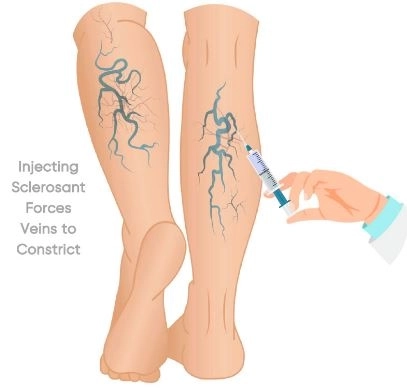
Varicose veins are among the most common vascular disorders, developing when the valves inside the veins become weak or damaged and can no longer efficiently return blood to the heart. This causes blood to pool inside the veins, making them enlarged, twisted, and clearly visible beneath the skin. Varicose veins are not only a cosmetic concern but may also cause leg pain, heaviness, swelling, itching, and nighttime leg cramps. If left untreated, advanced cases may lead to venous leg ulcers or blood clots. Fortunately, significant advances in vascular surgery have made it possible to treat varicose veins safely and effectively with minimally invasive techniques and rapid recovery.
What Are Varicose Veins?
Dr. Peter Moheb Panob explains that varicose veins are abnormally enlarged superficial veins caused by weakened or damaged venous valves. When these valves fail to function properly, blood flows backward and accumulates inside the veins instead of returning efficiently to the heart. As a result, patients may develop enlarged blue or purple veins beneath the skin, accompanied by varying degrees of pain, leg heaviness, fatigue, and discomfort, especially after prolonged standing or sitting.
Causes of Varicose Veins
Dr. Peter Moheb Panob emphasizes that several factors increase the risk of developing varicose veins, including genetic predisposition, pregnancy, obesity, aging, prolonged standing or sitting, physical inactivity, and weakness of the vein walls or venous valves. In addition, occupations that require standing for extended periods significantly increase the likelihood of developing varicose veins over time.
Symptoms of Varicose Veins
Dr. Peter Moheb Panob confirms that the symptoms of varicose veins extend beyond their visible appearance. Common symptoms include aching legs, heaviness, swelling around the ankles, itching, burning sensations, nighttime muscle cramps, and skin discoloration. In advanced stages, patients may develop chronic venous ulcers, which require specialized medical treatment to prevent further complications.
Diagnosis of Varicose Veins
Dr. Peter Moheb Panob points out that accurate diagnosis begins with a thorough clinical examination followed by a Duplex Doppler ultrasound of the leg veins. This imaging study evaluates the function of the venous valves, the direction of blood flow, and identifies the affected veins with precision, allowing physicians to select the most appropriate treatment plan for each patient.
Treatment Options for Varicose Veins
Dr. Peter Moheb Panob explains that the treatment of varicose veins depends on the severity of the condition. Treatment options may include compression stockings, lifestyle modifications, regular exercise, weight reduction, leg elevation during rest, sclerotherapy, endovenous laser treatment (EVLT), radiofrequency ablation (RFA), or surgical intervention in advanced cases. Modern minimally invasive techniques provide excellent clinical outcomes with less pain, shorter recovery times, and a lower risk of recurrence.
How to Prevent Varicose Veins
The risk of developing varicose veins can be reduced by adopting healthy lifestyle habits such as walking regularly, maintaining a healthy weight, avoiding prolonged standing or sitting, elevating the legs during rest, performing exercises that stimulate blood circulation, and wearing compression stockings when recommended, especially for individuals at higher risk.
Complications of Untreated Varicose Veins
Ignoring varicose veins may result in serious complications, including venous inflammation, bleeding from enlarged veins, superficial venous thrombosis, skin discoloration, venous eczema, and chronic leg ulcers. Therefore, seeking medical evaluation as soon as symptoms appear is essential to prevent disease progression and ensure timely treatment.
Tips for Maintaining Healthy Veins
To promote healthy veins and reduce the progression of varicose veins, it is recommended to:
Engage in regular physical activity.
Maintain a healthy body weight to reduce pressure on the veins.
Avoid prolonged standing or sitting without movement.
Elevate the legs several times a day to improve venous blood return.
Follow the prescribed treatment plan and attend regular follow-up appointments with your vascular specialist.
The treatment of varicose veins is essential for maintaining healthy blood circulation and preventing complications that can negatively affect quality of life. Early diagnosis, selecting the most appropriate treatment, and receiving care from an experienced vascular specialist are the keys to achieving excellent long-term results, relieving symptoms, and restoring both the comfort and appearance of the legs.