
Published on: 2026-07-12 | Written by: Dr. Omar Hisham Abdel Fattah Specialist in Obstetrics
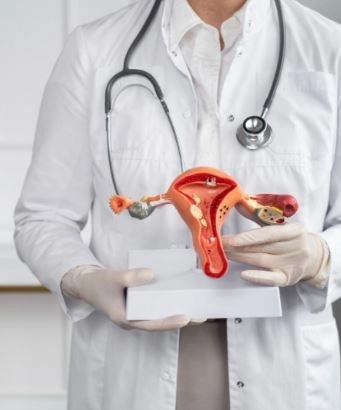
Gynecologic endoscopy is considered one of the most significant advancements in gynecology and obstetrics, providing physicians with the ability to accurately diagnose and treat a wide range of gynecological conditions through very small incisions without the need for conventional open surgery. This minimally invasive approach reduces postoperative pain, shortens hospital stays, speeds up recovery, and enables patients to return to their normal daily activities more quickly. Gynecologic endoscopy is commonly used to treat ovarian cysts, uterine fibroids, endometriosis, ectopic pregnancy, pelvic adhesions, infertility, and chronic pelvic pain, making it the preferred treatment option for many women who require precise surgical intervention while preserving reproductive health whenever possible.
What Is Gynecologic Endoscopy?
Dr. Omar Hesham Abdel Fattah explains that gynecologic endoscopy is an advanced minimally invasive surgical technique that utilizes a thin telescope equipped with a high-definition camera, inserted through tiny abdominal incisions or through the uterus depending on the type of procedure. This technology provides a magnified and detailed view of the female reproductive organs, allowing physicians to accurately diagnose diseases and perform complex surgical procedures without making a large surgical incision. As a result, patients experience fewer complications, improved cosmetic outcomes, and faster recovery.
Types of Gynecologic Endoscopy
Dr. Omar Hesham Abdel Fattah emphasizes that gynecologic endoscopy is mainly divided into two categories. Laparoscopy is used to diagnose and treat conditions involving the ovaries, fallopian tubes, uterus, and pelvic cavity, while hysteroscopy is performed to examine the inside of the uterine cavity and treat conditions such as endometrial polyps, uterine septum, intrauterine adhesions, and small uterine fibroids. The appropriate type of endoscopic procedure is determined according to the patient's symptoms and medical condition.
Indications for Gynecologic Endoscopy
Dr. Omar Hesham Abdel Fattah confirms that gynecologic endoscopy is widely used to diagnose and treat numerous gynecological disorders, including removal of ovarian cysts, treatment of uterine fibroids, management of endometriosis, treatment of ectopic pregnancy, lysis of pelvic adhesions, evaluation and treatment of infertility, management of chronic pelvic pain, removal of benign tumors, and selected hysterectomy procedures. It is also an invaluable diagnostic tool when conventional examinations fail to identify the underlying cause of symptoms.
Advantages of Gynecologic Endoscopy
Dr. Omar Hesham Abdel Fattah points out that gynecologic endoscopy offers many advantages over traditional open surgery, including less postoperative pain, smaller surgical incisions, reduced risk of infection, minimal blood loss, faster wound healing, shorter hospital stays, and a quicker return to everyday activities. In addition, the magnified surgical view enables greater precision, allowing surgeons to preserve healthy tissues whenever possible while achieving excellent clinical outcomes.
Gynecologic Endoscopy and Infertility Treatment
Dr. Omar Hesham Abdel Fattah explains that gynecologic endoscopy plays a vital role in diagnosing and treating female infertility. It enables physicians to identify and manage conditions such as endometriosis, pelvic adhesions, blocked fallopian tubes, uterine abnormalities, and ovarian cysts during the same procedure. Correcting these conditions may improve the chances of natural conception or enhance the success rates of assisted reproductive technologies such as Intracytoplasmic Sperm Injection (ICSI) when medically indicated.
Preparing for Gynecologic Endoscopy
Before undergoing gynecologic endoscopy, patients receive a comprehensive medical evaluation that includes a physical examination, pelvic ultrasound, laboratory investigations, and a review of their medical history. The physician also explains the procedure, discusses the expected benefits and possible risks, and provides detailed preoperative and postoperative instructions to ensure maximum safety and optimal treatment outcomes.
Recovery After Gynecologic Endoscopy
One of the greatest advantages of gynecologic endoscopy is the rapid recovery compared with open surgery. Most patients can return home within a short period after the procedure and gradually resume their normal daily activities within a few days, depending on the type of surgery performed. Following the physician's instructions and attending scheduled follow-up appointments are essential for ensuring complete recovery and preventing complications.
Postoperative Care Tips
For the best recovery after gynecologic endoscopy, patients are advised to:
Take all prescribed medications as instructed.
Keep the surgical wounds clean and properly cared for.
Avoid strenuous physical activities during the early recovery period.
Maintain a healthy, balanced diet and drink plenty of water.
Attend all scheduled follow-up appointments to monitor healing.
Gynecologic endoscopy represents one of the most advanced innovations in gynecology, offering high surgical precision, excellent safety, faster recovery, and outstanding clinical outcomes for a wide range of gynecological conditions. Early diagnosis, choosing an experienced specialist, and adhering to regular medical follow-up remain the key factors for successful treatment, preserving women's reproductive health, and improving their overall quality of life.