
Published on: 2026-07-12 | Written by: Dr. Omar Hisham Abdel Fattah Specialist in Obstetrics
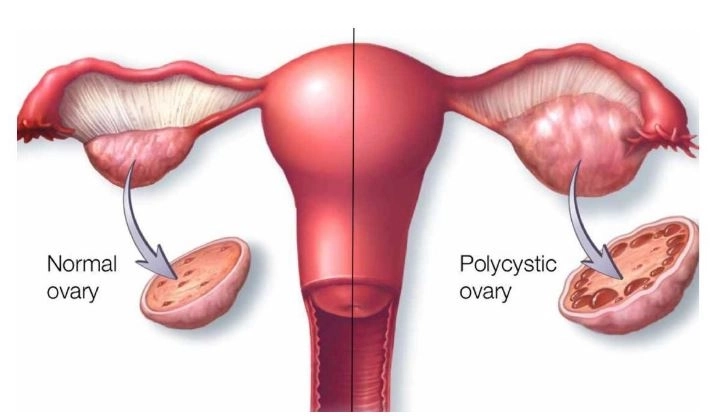
Polycystic Ovary Syndrome (PCOS) is one of the most common hormonal disorders affecting women of reproductive age. It interferes with normal ovulation and may cause a variety of symptoms, including irregular menstrual cycles, infertility, weight gain, excessive hair growth, and acne. The treatment of PCOS depends on an accurate diagnosis and a personalized management plan based on the severity of the condition, the patient's symptoms, age, and future pregnancy goals. Early diagnosis and appropriate treatment can significantly improve reproductive health and reduce the risk of long-term complications.
What Is Polycystic Ovary Syndrome (PCOS)?
Dr. Omar Hesham Abdel Fattah explains that Polycystic Ovary Syndrome (PCOS) is a hormonal disorder that disrupts the normal ovulation process. Small immature follicles accumulate within the ovaries because the eggs fail to mature and be released properly. This hormonal imbalance affects the production of female reproductive hormones while increasing certain androgen levels, leading to menstrual irregularities, reduced fertility, and other health concerns.
Causes of PCOS
Dr. Omar Hesham Abdel Fattah emphasizes that although the exact cause of PCOS remains unclear, several factors are known to increase the risk of developing the condition. These include genetic predisposition, insulin resistance, obesity, hormonal imbalances, and elevated androgen levels. In addition, an unhealthy lifestyle and lack of physical activity may worsen symptoms and reduce the effectiveness of treatment.
Symptoms of PCOS
Dr. Omar Hesham Abdel Fattah confirms that the symptoms of PCOS vary from one woman to another. However, the most common signs include irregular or absent menstrual periods, difficulty conceiving, weight gain—particularly around the abdomen, excessive facial and body hair growth, acne, scalp hair thinning, and irregular ovulation. Early diagnosis allows treatment to begin before fertility problems or other health complications develop.
How Is PCOS Diagnosed?
Dr. Omar Hesham Abdel Fattah points out that diagnosing PCOS requires a combination of medical history evaluation, physical examination, pelvic ultrasound, and laboratory testing for hormone levels, blood glucose, and insulin levels. These assessments help exclude other causes of menstrual disorders, determine the severity of the condition, and establish the most appropriate treatment plan for each patient.
Treatment Options for PCOS
Dr. Omar Hesham Abdel Fattah explains that PCOS treatment varies according to the patient's symptoms and whether she is planning to become pregnant. Treatment may include lifestyle modification, weight loss, a healthy balanced diet, regular physical activity, medications to regulate the menstrual cycle, ovulation-inducing medications, treatment for insulin resistance, or laparoscopic ovarian surgery in selected cases that do not respond to medical therapy. Regular follow-up is essential to monitor progress and optimize treatment outcomes.
PCOS and Infertility
PCOS can reduce the chances of pregnancy because of irregular ovulation. However, with appropriate treatment, many women are able to conceive successfully. The treatment approach depends on the woman's age, the duration of infertility, and her overall health. Options may include ovulation induction or assisted reproductive techniques such as Intracytoplasmic Sperm Injection (ICSI) when medically indicated after a comprehensive evaluation.
Can PCOS Be Prevented?
Although certain causes of PCOS are related to genetic factors, maintaining a healthy body weight, engaging in regular physical activity, following a balanced diet, and seeking early medical evaluation for menstrual irregularities may help reduce symptom severity, improve ovulation, and decrease the likelihood of long-term complications.
Tips for Women Living with PCOS
To achieve the best treatment results, women are advised to:
Maintain a healthy body weight and lose excess weight if necessary.
Exercise regularly to improve insulin sensitivity.
Follow a balanced diet rich in fiber and low in refined sugars.
Take prescribed medications exactly as directed by the physician.
Attend regular follow-up appointments and undergo recommended medical evaluations.
Treating Polycystic Ovary Syndrome (PCOS) is essential for preserving reproductive health, improving fertility, and reducing complications associated with hormonal imbalance. Early diagnosis, adherence to an individualized treatment plan, and regular follow-up with a qualified specialist play a crucial role in restoring ovulation, regulating menstrual cycles, and improving a woman's overall health and quality of life.