

Published on: 2026-07-12 | Written by: Dr. Ibrahim Hijazi, PhD in Neurosurgery
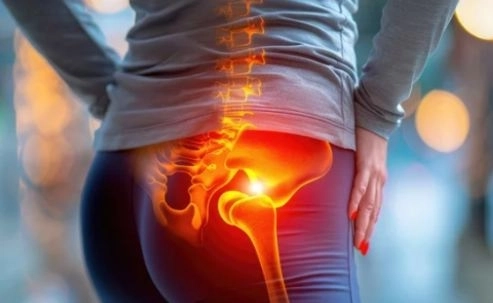
Treatment of Nerve Compression and Sciatica: Effective Solutions for Pain Relief and Restoring Mobility
Nerve compression and sciatica are among the most common conditions affecting mobility and quality of life. They can cause pain that radiates from the lower back down the leg, along with numbness, tingling, or muscle weakness. The severity of symptoms varies from one patient to another, making early diagnosis and appropriate treatment essential for relieving pain and preventing the condition from worsening.
What Are Nerve Compression and Sciatica?
Dr. Ibrahim Hegazy emphasizes that nerve compression and sciatica occur when a nerve—most commonly the sciatic nerve—is compressed due to conditions such as a herniated disc, spinal canal stenosis, degenerative spinal changes, or other underlying causes. This pressure leads to symptoms that vary according to the location and severity of the nerve compression, making an accurate diagnosis the first and most important step toward successful treatment.
Symptoms of Nerve Compression and Sciatica
Dr. Ibrahim Hegazy explains that the symptoms of nerve compression and sciatica may include pain that begins in the lower back and radiates through the buttock and down the leg, accompanied by numbness, tingling, or muscle weakness. These symptoms often become worse after prolonged sitting or improper movement, so they should not be ignored and require prompt medical evaluation.
Treatment Options for Nerve Compression and Sciatica
Dr. Ibrahim Hegazy confirms that the treatment of nerve compression and sciatica depends on the underlying cause and the severity of the condition. Conservative treatment may include medications, physical therapy, and lifestyle modifications, while some patients may require surgical intervention when there is significant nerve compression or when symptoms persist despite appropriate conservative treatment. The most suitable treatment plan is determined after a comprehensive medical evaluation.
How Are Nerve Compression and Sciatica Diagnosed?
Dr. Ibrahim Hegazy points out that diagnosing nerve compression and sciatica is based on a detailed medical history and thorough clinical examination, in addition to advanced imaging studies such as X-rays, MRI scans, or CT scans when necessary. These diagnostic tools help identify the exact location and cause of nerve compression and guide the selection of the most appropriate treatment approach.
Tips for Preventing Nerve Compression and Maintaining a Healthy Spine
Dr. Ibrahim Hegazy stresses that preventing nerve compression and sciatica depends on maintaining a healthy body weight, engaging in appropriate physical exercise, avoiding prolonged sitting or standing, practicing proper posture while working and lifting objects, and seeking medical evaluation whenever abnormal symptoms appear in order to preserve spinal and nerve health.
The Importance of Early Treatment for Nerve Compression and Sciatica
Early treatment helps reduce pain, improve mobility, and prevent complications that may affect nerve function or interfere with daily activities. It also increases the likelihood of successful conservative treatment and reduces the need for surgery. Therefore, consulting a specialist as soon as symptoms develop is essential for achieving the best possible treatment outcomes and restoring quality of life.