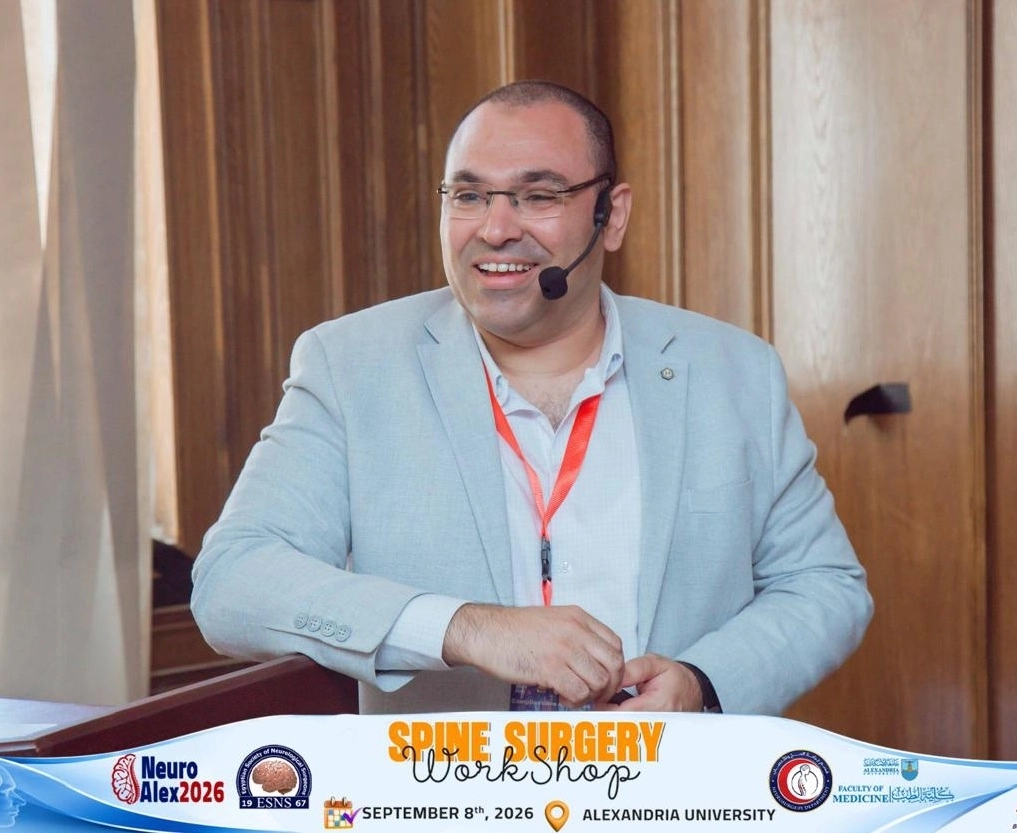

Published on: 2026-07-12 | Written by: Dr. Ibrahim Hijazi, PhD in Neurosurgery
Spine Surgery and Herniated Disc Treatment: Advanced Solutions to Restore Mobility and Relieve Pain
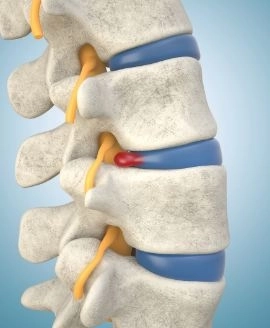
Spine surgery and herniated disc treatment are among the most specialized medical fields, aiming to treat conditions affecting the vertebrae, intervertebral discs, and spinal nerves. Modern surgical techniques help relieve pain, restore mobility, and improve patients' quality of life while ensuring that the most appropriate treatment is selected according to each patient's condition and the severity of the disorder.
What Is Spine Surgery and Herniated Disc Treatment?
Dr. Ibrahim Hegazy emphasizes that spine surgery and herniated disc treatment are performed for patients who do not respond to conservative treatment or who suffer from significant pressure on the spinal nerves or spinal cord. These procedures are carefully planned using the latest diagnostic methods and advanced imaging technologies to achieve the best possible outcomes while preserving the surrounding nerves and healthy tissues.
When Does a Patient Need Herniated Disc Surgery?
Dr. Ibrahim Hegazy explains that surgical intervention becomes necessary when pain persists despite conservative treatment, or when the patient experiences muscle weakness, persistent numbness, difficulty with movement, or loss of certain neurological functions. Early diagnosis helps determine the appropriate timing for surgery and reduces the risk of complications.
Advantages of Modern Spine Surgery Techniques
Dr. Ibrahim Hegazy confirms that the use of modern surgical techniques, minimally invasive procedures, and advanced medical technology helps reduce incision size, minimize blood loss, shorten hospital stays, accelerate recovery, improve surgical precision, and increase the likelihood of successful outcomes, allowing patients to return to their normal daily activities more quickly.
How Are Herniated Discs and Spine Disorders Diagnosed?
Dr. Ibrahim Hegazy points out that diagnosis is based on a detailed medical history and comprehensive clinical examination, in addition to diagnostic imaging such as X-rays, MRI scans, and CT scans when necessary. These evaluations help identify the exact location and severity of nerve compression and determine the most appropriate treatment plan, whether conservative management or surgical intervention.
Tips After Spine Surgery and Herniated Disc Treatment
Dr. Ibrahim Hegazy stresses that following postoperative instructions, performing the recommended rehabilitation exercises, avoiding heavy lifting, maintaining a healthy body weight, and attending regular follow-up appointments are all essential factors that promote faster recovery, preserve the results of surgery, and reduce the risk of symptom recurrence.
The Importance of Early Treatment for Spine Disorders
Early diagnosis and treatment of spine disorders and herniated discs help reduce pain, preserve nerve function, and prevent the condition from progressing to complications that may affect movement or sensation. Therefore, consulting a spine specialist promptly when experiencing persistent neck or back pain, numbness, or weakness in the limbs is essential for receiving the most appropriate treatment at the right time.