

Published on: 2026-07-12 | Written by: Dr. Mohamed El Mahdi, PhD in Oncology Surgery
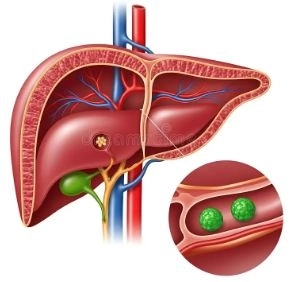
Liver, Pancreatic, and Bile Duct Tumors: Accurate Diagnosis Is the Key to Successful Treatment
Liver, pancreatic, and bile duct tumors are among the conditions that require early diagnosis and a comprehensive treatment plan. These tumors may be benign or malignant, and treatment may involve precise surgical intervention or additional therapies depending on the type and stage of the tumor. Early detection plays a crucial role in increasing treatment success rates and improving the patient's quality of life.
What Are Liver, Pancreatic, and Bile Duct Tumors?
Dr. Mohamed El Mahdy emphasizes that liver, pancreatic, and bile duct tumors include a variety of tumors that may develop in the liver, pancreas, or bile ducts. Successful treatment depends on early diagnosis through clinical examination, advanced imaging techniques, laboratory investigations, and biopsy when necessary to accurately identify the tumor type and develop the most appropriate treatment plan for each patient.
Symptoms of Liver, Pancreatic, and Bile Duct Tumors
Dr. Mohamed El Mahdy explains that the symptoms of these tumors vary from one patient to another, but they may include persistent upper abdominal pain, unexplained weight loss, loss of appetite, yellowing of the skin and eyes (jaundice), changes in urine and stool color, and persistent fatigue. Therefore, the appearance of any of these symptoms should prompt immediate medical evaluation and appropriate diagnostic testing.
The Role of Surgery in Treating Liver, Pancreatic, and Bile Duct Tumors
Dr. Mohamed El Mahdy confirms that surgery is one of the most important treatment options for many cases of liver, pancreatic, and bile duct tumors when surgical intervention is appropriate. The goal is to remove the tumor while preserving as much healthy tissue as possible. Depending on the patient's condition and the comprehensive medical evaluation, surgery may also be combined with chemotherapy or radiation therapy.
How Are These Tumors Diagnosed?
Dr. Mohamed El Mahdy points out that diagnosis is based on a detailed medical history and clinical examination, along with advanced imaging studies such as CT scans, MRI, and ultrasound. Additional investigations include liver function tests, tumor marker analysis, and, when indicated, a biopsy to confirm the diagnosis and determine the most appropriate treatment approach for each patient.
The Importance of Follow-Up After Treatment
Dr. Mohamed El Mahdy stresses that regular follow-up after treatment for liver, pancreatic, and bile duct tumors is an essential part of a successful treatment plan. It helps evaluate the patient's response to therapy, detect any changes at an early stage, and ensure timely intervention when needed. Adhering to scheduled examinations, medical advice, and a healthy lifestyle is essential for achieving the best possible long-term outcomes.
The Importance of Early Detection in Improving Recovery Outcomes
Early detection of liver, pancreatic, and bile duct tumors significantly increases the chances of successful treatment and reduces the likelihood of tumor spread. It also enables physicians to select the most appropriate treatment at the right time, helping preserve organ function, improve treatment outcomes, and enhance the patient's overall quality of life.