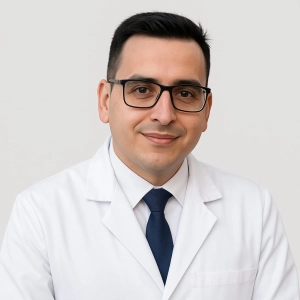

Published on: 2026-07-12 | Written by: Dr. Mohamed El Mahdi, PhD in Oncology Surgery

Head, Neck, and Endocrine Gland Cancer Surgery: Precision Is the Foundation of Successful Treatment
Head, neck, and endocrine gland cancer surgery is considered one of the most delicate surgical specialties, as it involves treating tumors affecting the thyroid gland, salivary glands, lymph nodes, oral cavity, pharynx, larynx, and other tissues of the head and neck. The primary goal of surgery is to remove the tumor while preserving vital functions and maintaining the patient's natural appearance whenever possible through early diagnosis and meticulous surgical planning.
What Is Head, Neck, and Endocrine Gland Cancer Surgery?
Dr. Mohamed El Mahdy emphasizes that head, neck, and endocrine gland cancer surgery is based on a comprehensive evaluation of the tumor's type, stage, and location using clinical examination, advanced imaging techniques, and biopsy when necessary. A personalized treatment plan is then developed to remove the tumor with the highest level of safety while preserving nerves, blood vessels, and healthy surrounding tissues whenever possible.
When Does a Patient Need Head, Neck, and Endocrine Gland Cancer Surgery?
Dr. Mohamed El Mahdy explains that surgery becomes necessary when benign or malignant tumors are diagnosed in the thyroid gland, salivary glands, lymph nodes, or other head and neck tissues, or when a persistent abnormal mass, swelling, or biopsy findings indicate the need for surgical intervention. Early diagnosis significantly improves treatment outcomes and reduces the risk of complications.
Advantages of Early Surgical Treatment for Cancer
Dr. Mohamed El Mahdy confirms that performing surgery during the early stages of cancer offers higher success rates, reduces the risk of tumor spread to surrounding tissues or lymph nodes, preserves essential functions such as swallowing, speaking, and breathing, and minimizes the need for more complex treatments in the future.
Steps in Diagnosing and Treating Head, Neck, and Endocrine Gland Tumors
Dr. Mohamed El Mahdy points out that the treatment process begins with a detailed medical history and a comprehensive clinical examination, followed by advanced imaging studies such as CT scans or MRI when indicated, along with a biopsy to determine the nature of the tumor. Based on the results, the most appropriate treatment plan is selected, which may include surgery alone or in combination with radiation therapy or medical treatment according to each patient's condition.
Postoperative Care After Head, Neck, and Endocrine Gland Cancer Surgery
Dr. Mohamed El Mahdy stresses that regular follow-up after surgery is just as important as the operation itself, as it allows monitoring of wound healing, evaluation of treatment response, and early detection of any changes that may require further intervention. Adhering to the surgeon's instructions regarding nutrition, wound care, and scheduled follow-up visits plays a vital role in achieving the best possible outcomes.
The Importance of Early Diagnosis in Improving Treatment Outcomes
Early diagnosis greatly increases the chances of successful treatment for head, neck, and endocrine gland tumors by allowing the medical team to choose the most appropriate treatment at the optimal time. It also helps reduce the extent of surgery, preserve vital organ functions, and improve the patient's quality of life. Therefore, consulting a specialist promptly when noticing any persistent lump, swelling, or unusual symptoms is essential for achieving the best possible treatment results.