
Published on: 2026-07-11 | Written by: Dr. Mahmoud Abdo, Lecturer of Orthopedic Surgery
Diagnosis and Treatment of Bow Legs in Children
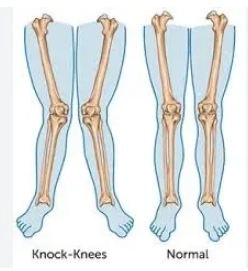
Bow legs are a common condition that may appear during a child's growth and development. In some cases, it is considered a normal stage of development, while in others it requires early diagnosis and treatment to prevent complications and ensure healthy bone growth.
Causes of Bow Legs
Dr. Mahmoud Abdo emphasizes that diagnosing the causes of bow legs depends on a thorough clinical examination, evaluating the child's age and the degree of the deformity. X-rays and additional investigations may be required to determine the exact cause, whether it is a normal physiological condition, vitamin D deficiency, bone growth disorders, or genetic diseases, allowing the most appropriate treatment plan to be selected for each patient.
Symptoms of Bow Legs
Dr. Mahmoud Abdo explains that the symptoms of bow legs may include a noticeable gap between the knees or ankles while standing, an abnormal walking pattern, and poor balance in some cases. Children with more severe deformities may also experience pain or fatigue during movement, making early evaluation by a pediatric orthopedic specialist essential.
Diagnosis of Bow Legs
Dr. Mahmoud Abdo stresses that early diagnosis is the most important factor in successful treatment. The evaluation includes assessing the alignment of the legs, measuring the degree of bowing, monitoring the child's growth, and requesting X-rays or additional investigations when necessary to establish an accurate diagnosis and develop an individualized treatment plan.
Non-Surgical Treatment of Bow Legs
Dr. Mahmoud Abdo points out that many cases of bow legs can be successfully treated without surgery when diagnosed early. Treatment may include regular follow-up, correcting the underlying cause, vitamin D supplementation when indicated, the use of braces, and physical therapy according to the child's condition.
When Is Surgery Necessary for Bow Legs?
Dr. Mahmoud Abdo emphasizes that surgical correction may be recommended when the bowing is severe, persists beyond the expected age of spontaneous correction, or affects walking and joint function. Modern orthopedic deformity correction techniques can effectively restore proper leg alignment and improve mobility.
Tips for Preventing Bow Legs
Dr. Mahmoud Abdo explains that maintaining a balanced diet rich in calcium and vitamin D, ensuring regular growth monitoring, and seeking medical evaluation whenever there is a noticeable change in the shape of the legs or walking pattern are important steps in preventing complications and achieving the best treatment outcomes.