
Published on: 2026-07-09 | Written by: Rana Moheb Suleiman Lecturer of Obstetrics
Follow-Up for Polycystic Ovary Syndrome (PCOS): Early Diagnosis and Regular Monitoring Are the Keys to Women's Health
Polycystic Ovary Syndrome (PCOS) is one of the most common hormonal disorders affecting women of reproductive age. It can interfere with menstrual regularity, ovulation, and fertility, and may also be associated with weight gain, acne, and excessive hair growth in certain areas of the body. Although many cases can be effectively managed, regular follow-up for PCOS and early diagnosis play a vital role in reducing complications, improving fertility outcomes, and maintaining overall health and quality of life.
What Is Polycystic Ovary Syndrome (PCOS)?
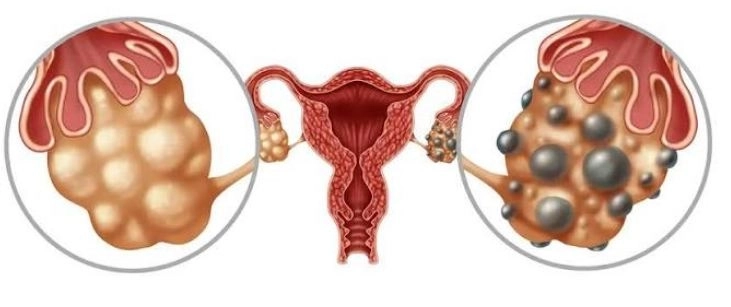
Dr. Rana Moheb emphasizes that Polycystic Ovary Syndrome (PCOS) is a hormonal disorder that affects the normal ovulation process. Multiple small follicles develop within the ovaries, but the eggs do not mature or release properly, leading to irregular menstrual cycles, delayed pregnancy, and various hormonal symptoms. She stresses that early diagnosis and consistent follow-up are essential for controlling the condition and minimizing its long-term effects.
What Are the Symptoms of PCOS?
Dr. Rana Moheb explains that the symptoms of PCOS vary from one woman to another. The most common symptoms include irregular or absent menstrual periods, difficulty conceiving, weight gain, acne, excessive facial or body hair growth, and hair thinning or hair loss in some cases. Women experiencing these symptoms should seek medical evaluation to undergo the necessary diagnostic tests and receive appropriate treatment.
How Is PCOS Diagnosed?
Dr. Rana Moheb confirms that diagnosing PCOS involves a combination of detailed medical history, physical examination, pelvic ultrasound, and hormone testing. These investigations help evaluate ovarian function and rule out other conditions that may cause menstrual irregularities or infertility. Accurate diagnosis is the cornerstone of developing an effective and individualized treatment plan.
How Is PCOS Monitored?
Dr. Rana Moheb points out that PCOS follow-up involves much more than simply prescribing medication. It includes monitoring menstrual cycle regularity, assessing ovulation, tracking body weight, repeating laboratory tests when necessary, and adjusting the treatment plan according to each patient's response. Continuous follow-up helps reduce complications, improve fertility, and maintain hormonal balance over time.
Tips for Managing PCOS Successfully
Dr. Rana Moheb emphasizes that adopting a healthy lifestyle is a fundamental part of PCOS management. Maintaining a healthy weight, following a balanced diet, engaging in regular physical activity, taking prescribed medications consistently, avoiding self-discontinuation of treatment, and attending scheduled follow-up appointments all contribute to improving ovulation, reducing symptoms, and increasing the chances of pregnancy for women who wish to conceive.
Why Is Regular Follow-Up Important?
Regular PCOS follow-up enables physicians to monitor treatment effectiveness and detect any changes that may require adjustments in the treatment plan. Ongoing medical supervision also helps reduce the risk of potential long-term complications, including fertility problems and metabolic disorders. Therefore, regular follow-up with a qualified gynecologist is considered one of the most important factors for successful long-term management.
Conclusion
Regular follow-up for Polycystic Ovary Syndrome (PCOS) is essential for protecting women's health and minimizing the effects of this hormonal disorder on fertility, menstrual health, and overall well-being. With early diagnosis, personalized treatment, a healthy lifestyle, and continuous medical follow-up, most women with PCOS can successfully manage their condition, improve their quality of life, and achieve better reproductive health outcomes.