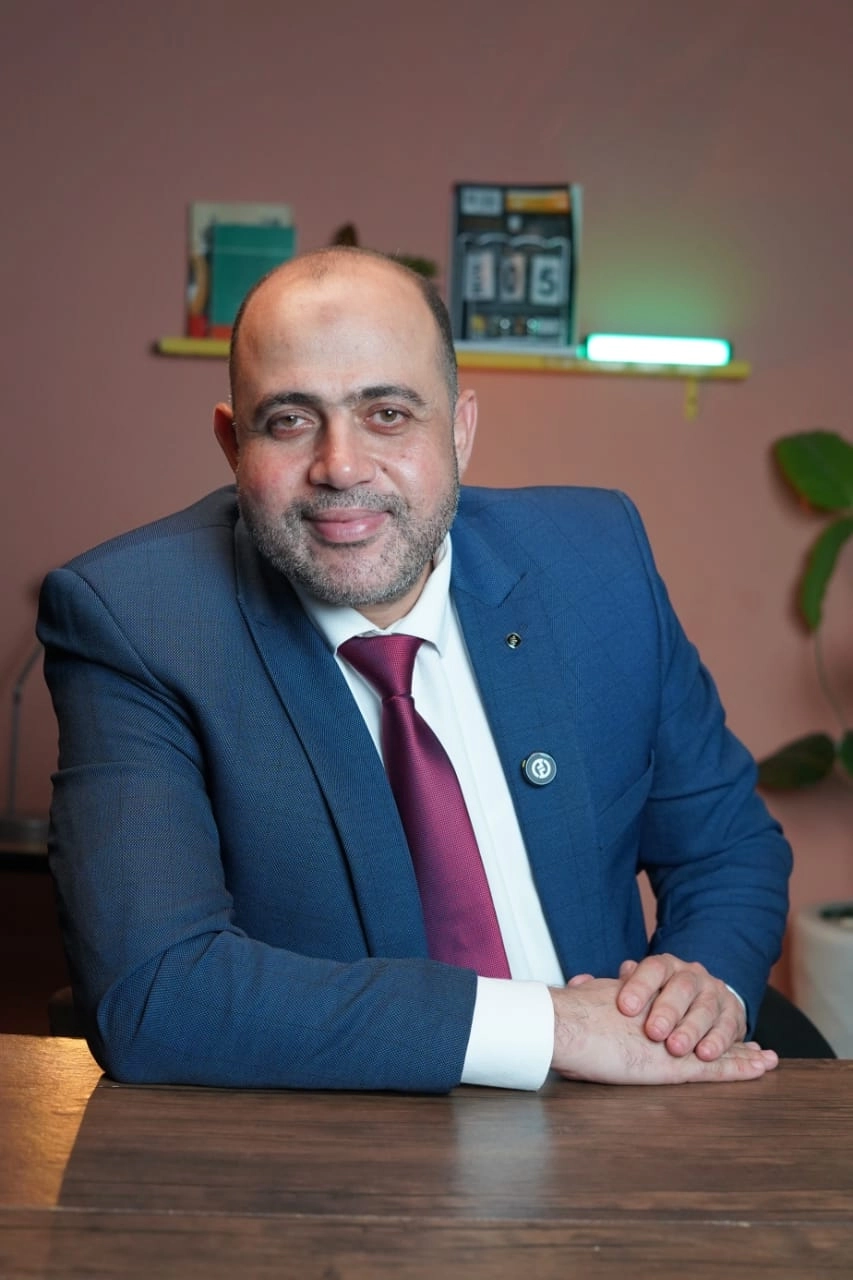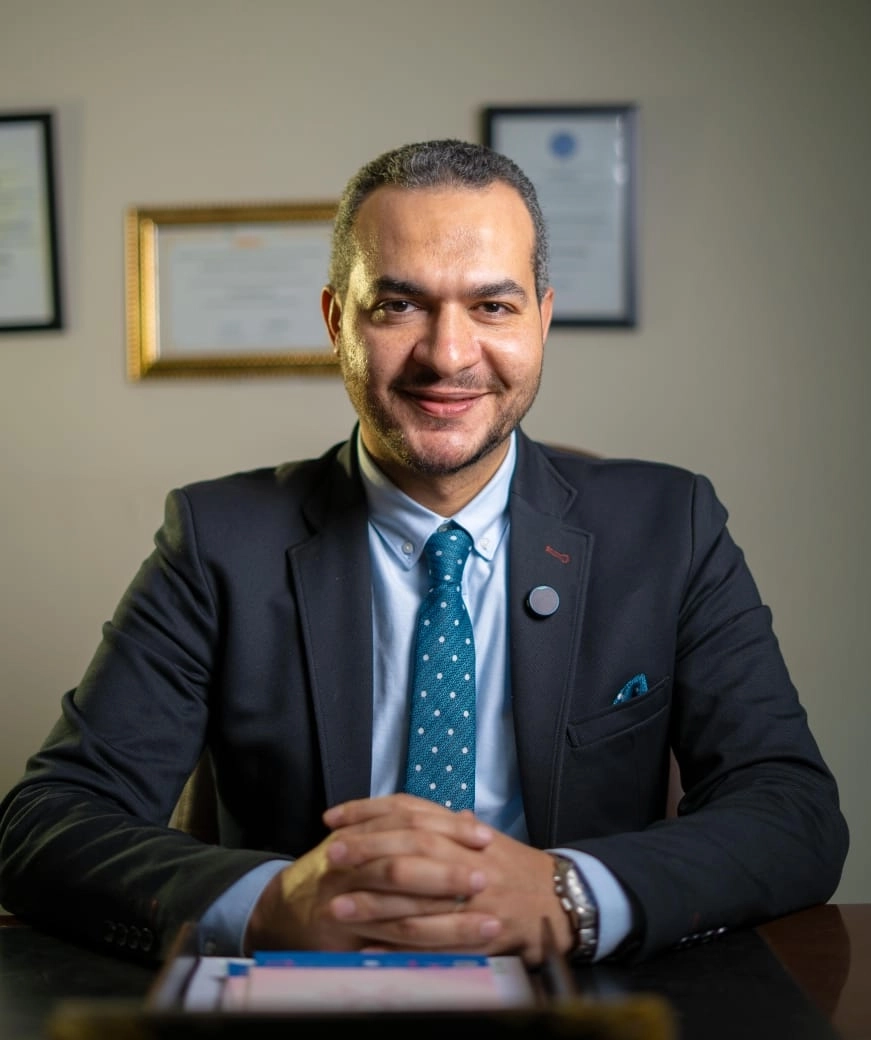

Published on: 2026-07-09 | Written by: Dr. George Ibrahim Salama Consultant General Surgery
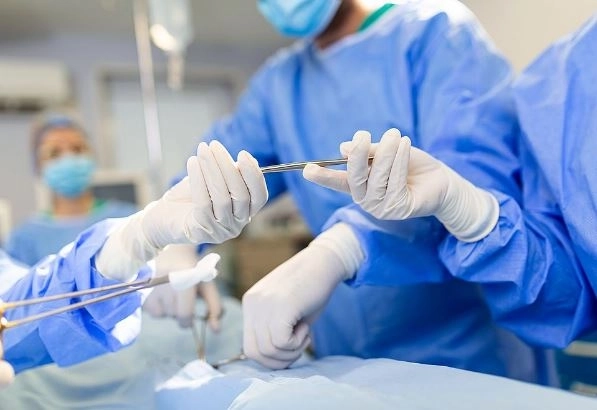
Dr. George Ibrahim Salama emphasizes that early cancer detection and the development of a comprehensive treatment plan play a crucial role in increasing cure rates and achieving the best possible clinical outcomes.
Cancer surgery is a specialized branch of general surgery dedicated to the treatment of both benign and malignant tumors. The procedure aims to remove the tumor along with an adequate margin of surrounding healthy tissue when necessary. In some cases, lymph nodes are also removed to determine whether the cancer has spread.
Surgery is considered a cornerstone of cancer treatment and may be performed alone or combined with chemotherapy, radiation therapy, immunotherapy, or targeted therapy, depending on the type and stage of the cancer.
A patient may require cancer surgery in several situations, including:
Complete removal of tumors detected in the early stages
Obtaining a biopsy to confirm the diagnosis
Reducing tumor size before chemotherapy or radiation therapy in selected cases
Treating complications caused by tumors, such as obstruction or bleeding
Removing metastatic tumors in selected patients whenever appropriate
Dr. George Ibrahim Salama explains that the timing and type of surgery depend on a comprehensive evaluation of the patient's overall health and the stage of the disease.
Cancer surgery can be used to treat many types of tumors, including:
Breast cancer
Colon and rectal cancer
Stomach cancer
Liver tumors
Pancreatic tumors
Thyroid tumors
Skin and soft tissue tumors
Various gastrointestinal cancers
The most appropriate surgical approach is selected after careful evaluation of diagnostic findings and cancer staging.
A thorough evaluation usually includes:
Comprehensive physical examination
Computed Tomography (CT) scan
Magnetic Resonance Imaging (MRI)
Positron Emission Tomography–Computed Tomography (PET-CT) when indicated
Tumor marker blood tests in selected cases
Biopsy with pathological examination for definitive diagnosis
Dr. George Ibrahim Salama emphasizes that accurate diagnosis and proper cancer staging are essential for choosing the most effective surgical and therapeutic strategy.
Recent technological advances have transformed cancer surgery, making procedures more effective and less invasive.
Minimally invasive laparoscopic surgery is used for selected cancers, allowing surgeons to perform procedures through small incisions with reduced pain and faster recovery.
Advanced surgical methods enable precise tumor removal while preserving as much healthy tissue as possible.
Modern imaging technologies assist surgeons in accurately locating and removing tumors during the operation.
Whenever possible, surgeons aim to remove the tumor while maintaining the normal function of the affected organ.
Dr. George Ibrahim Salama explains that the choice of surgical technique depends on the tumor type, its location, stage, and the patient's overall medical condition.
To maximize surgical success, patients are advised to:
Complete all required laboratory and imaging investigations
Undergo cardiac and pulmonary assessment when necessary
Inform the surgeon about all medications being taken
Follow preoperative fasting instructions carefully
Discuss the procedure and treatment plan thoroughly with the medical team
Proper preparation contributes to safer surgery and smoother recovery.
Recovery time varies depending on the type of procedure, but patients are generally encouraged to:
Take prescribed medications as directed
Care for the surgical wound properly
Resume physical activity gradually according to medical advice
Maintain a healthy and balanced diet
Complete any recommended additional treatments
Attend regular follow-up appointments
Following postoperative instructions carefully helps promote healing and improve long-term outcomes.
Regular follow-up is essential because it helps:
Detect cancer recurrence at an early stage
Monitor the effectiveness of treatment
Identify and manage postoperative complications
Improve the patient's long-term quality of life
Continuous monitoring remains an integral part of comprehensive cancer care.
Although not all cancers can be prevented, adopting a healthy lifestyle may significantly reduce the risk by:
Quitting smoking
Engaging in regular physical activity
Maintaining a healthy body weight
Eating a balanced diet rich in fruits and vegetables
Participating in routine screening and early detection programs
These healthy habits support overall well-being and contribute to cancer prevention.
Dr. George Ibrahim Salama emphasizes that successful cancer treatment depends on early detection, accurate diagnosis, selecting the most appropriate treatment strategy, and maintaining regular medical follow-up as part of a comprehensive, multidisciplinary approach to cancer care.