

Published on: 2026-07-09 | Written by: Dr. George Ibrahim Salama Consultant General Surgery
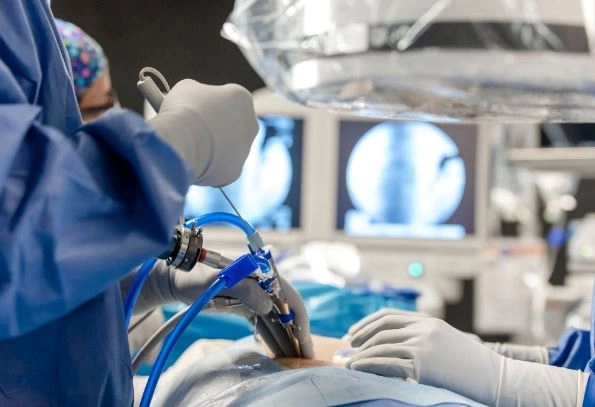
Laparoscopic surgery is one of the greatest advances in general surgery, becoming the preferred option for treating many conditions that previously required traditional open surgery with large incisions and long recovery periods. This advanced technique utilizes a high-definition laparoscope equipped with a camera and specialized surgical instruments inserted through small incisions, allowing surgeons to perform procedures with exceptional precision while minimizing pain, reducing complications, and promoting faster recovery.
Dr. George Ibrahim Salama emphasizes that the remarkable progress in laparoscopic surgery has significantly improved surgical success rates, shortened hospital stays, and enabled patients to return to their normal lives much more quickly.
What Is Laparoscopic Surgery?
Laparoscopic surgery, also known as minimally invasive surgery, is performed using a laparoscope fitted with a high-definition camera that transmits magnified images of the internal organs to a monitor. This allows surgeons to perform complex procedures through a few small incisions instead of the large surgical cuts required in conventional open surgery.
This technique offers outstanding precision while preserving healthy surrounding tissues whenever possible.
Conditions Treated with Laparoscopic Surgery
Laparoscopic surgery is widely used to treat many medical conditions, including:
Laparoscopic gallbladder removal (cholecystectomy)
Laparoscopic appendectomy
Repair of inguinal and umbilical hernias
Colon and colorectal surgery
Selected stomach and bariatric procedures
Removal of certain tumors in appropriate cases
Diagnosis and treatment of various abdominal and pelvic disorders
Dr. George Ibrahim Salama explains that the decision to perform laparoscopic surgery depends on the patient's condition, the type of disease, and whether the procedure is suitable for the individual case.
Advantages of Laparoscopic Surgery
Compared with conventional surgery, laparoscopic surgery offers numerous important benefits, including:
Smaller incisions with better cosmetic results
Less postoperative pain
Lower risk of infection
Reduced blood loss during surgery
Faster recovery and earlier return to daily activities
Shorter hospital stays
Lower risk of postoperative adhesions
These advantages have made laparoscopic surgery the preferred approach for many modern surgical procedures.
How Is Laparoscopic Surgery Performed?
The procedure generally consists of several steps.
General Anesthesia
Most laparoscopic procedures are performed under general anesthesia to ensure patient comfort throughout the operation.
Insertion of the Laparoscope
The surgeon creates several small incisions and inserts the laparoscope with its high-definition camera into the abdominal cavity.
Performing the Procedure
Using specialized surgical instruments, the surgeon performs the operation while viewing magnified images on a monitor.
Closing the Incisions
After the procedure is completed, the small incisions are closed with cosmetic sutures that promote rapid healing and minimal scarring.
Dr. George Ibrahim Salama emphasizes that surgical expertise combined with advanced technology contributes significantly to achieving excellent outcomes while minimizing complications.
When Is Laparoscopic Surgery Not Appropriate?
Although laparoscopic surgery has many advantages, it may not be suitable in certain situations, including:
Extensive abdominal adhesions
Severe uncontrolled bleeding
Certain advanced cancers requiring open surgery
Specific medical conditions identified during the preoperative evaluation
For this reason, every patient undergoes a thorough assessment before the most appropriate surgical approach is selected.
Recovery After Laparoscopic Surgery
Recovery is generally faster than after open surgery. Patients are usually advised to:
Begin walking early according to medical instructions
Take prescribed medications regularly
Keep the surgical wounds clean and properly cared for
Avoid heavy lifting for the recommended period
Attend all scheduled follow-up appointments
Dr. George Ibrahim Salama explains that following postoperative instructions carefully helps patients recover more quickly and safely return to their normal daily activities.
Possible Complications
Although laparoscopic surgery is considered highly safe, rare complications may include:
Bleeding
Infection
Injury to nearby organs in uncommon cases
Complications related to general anesthesia
Choosing an experienced surgeon and carefully following medical advice significantly reduce the risk of these complications.
Tips Before Undergoing Laparoscopic Surgery
To achieve the best possible results, patients should:
Complete all recommended laboratory tests and imaging studies
Inform the surgeon about all medications they are taking
Follow fasting instructions before surgery
Stop smoking whenever possible before the operation
Discuss all details of the procedure with the surgical team
Proper preparation contributes to a safer operation and a smoother recovery.
Laparoscopic surgery represents one of the most significant achievements in modern surgery, offering greater precision, less pain, smaller incisions, faster recovery, and fewer complications than conventional open procedures. It has become the first-choice surgical approach for many conditions because of its outstanding clinical outcomes and patient satisfaction.
Dr. George Ibrahim Salama emphasizes that selecting the appropriate surgical technique depends on accurate diagnosis, surgical expertise, careful patient evaluation, and proper postoperative follow-up, ensuring the best possible treatment results and long-term recovery.