

Published on: 2026-07-09 | Written by: Dr. Karim Mohamed Zaki, Cardiology
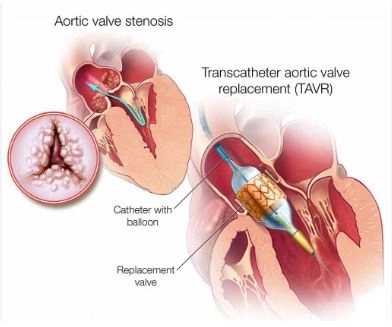
Transcatheter Heart Valve Repair: A Modern Technique to Restore Heart Function Without Open-Heart Surgery
Transcatheter heart valve repair is one of the most advanced innovations in the treatment of heart valve disease. This minimally invasive procedure has provided a safe and effective solution for many patients suffering from narrowed or leaking heart valves who may not be suitable candidates for open-heart surgery. By accessing the heart through a catheter inserted into a blood vessel rather than opening the chest, this technique reduces pain, shortens hospital stays, and allows patients to return to their normal lives much more quickly while achieving excellent clinical outcomes when performed in appropriately selected patients.
What Is Transcatheter Heart Valve Repair?
Dr. Karim Mohamed Zaki emphasizes that transcatheter heart valve repair is an advanced interventional procedure designed to treat certain types of narrowed or leaking heart valves by guiding a specialized catheter through a blood vessel to the affected valve. The damaged valve is then repaired or supported using dedicated medical devices without the need for open-heart surgery, significantly reducing procedural risks while helping preserve heart function and allowing for a faster recovery.
Who Is a Candidate for This Procedure?
Dr. Karim Mohamed Zaki explains that transcatheter heart valve repair is recommended for patients with advanced heart valve disease who experience symptoms such as shortness of breath, severe fatigue, chest pain, or reduced heart function. It is particularly beneficial for elderly patients or those considered at high surgical risk. Eligibility is determined after comprehensive evaluation, including echocardiography, Doppler ultrasound, diagnostic cardiac catheterization, and a thorough cardiovascular assessment.
How Is the Procedure Performed?
Dr. Karim Mohamed Zaki confirms that transcatheter heart valve repair is performed in a specialized cardiac catheterization laboratory using advanced imaging technologies that guide the catheter precisely to the diseased valve. Depending on the type and severity of the valve disorder, the valve is repaired or supported with an appropriate device. The procedure is usually carried out under local or general anesthesia according to the patient's condition, with continuous monitoring to ensure maximum safety and optimal treatment outcomes.
Benefits of Transcatheter Heart Valve Repair
Dr. Karim Mohamed Zaki points out that transcatheter heart valve repair offers numerous advantages, including avoiding open-chest surgery, reducing blood loss during the procedure, lowering the risk of complications in appropriately selected patients, shortening hospitalization, accelerating recovery, and enabling patients to resume their daily activities sooner. In addition, it improves heart function, relieves symptoms such as shortness of breath and fatigue, and significantly enhances overall quality of life.
Care After Transcatheter Heart Valve Repair
Dr. Karim Mohamed Zaki emphasizes that the long-term success of transcatheter heart valve repair depends on the patient's commitment to following all medical instructions after the procedure. This includes taking prescribed medications regularly, attending scheduled follow-up visits, undergoing routine imaging and examinations to assess valve function, controlling blood pressure, diabetes, and cholesterol levels, maintaining a heart-healthy diet, and engaging in appropriate physical activity, all of which help preserve the benefits of the procedure and reduce the risk of future complications.
Why Has Catheter-Based Valve Repair Become a Preferred Treatment Option?
Recent advances in interventional cardiology have made transcatheter heart valve repair one of the most effective treatment options for many forms of heart valve disease. Modern catheter-based technologies provide exceptional procedural accuracy, reduce recovery time, minimize surgical trauma, and improve long-term outcomes, making this minimally invasive approach an increasingly preferred alternative to conventional open-heart surgery for eligible patients.
Conclusion
Transcatheter heart valve repair represents a major breakthrough in the management of heart valve disease, combining precision, safety, and rapid recovery. It offers an excellent treatment option for many patients who require effective valve repair without undergoing open-heart surgery. With early diagnosis, expert medical care, and regular follow-up, patients can achieve outstanding long-term results while maintaining optimal heart health and an improved quality of life.