
Published on: 2026-07-09 | Written by: Dr. Karim Mohamed Zaki, Cardiology
Smart Stent Placement for Coronary Artery Disease: An Advanced Solution for Restoring Heart Health
Smart stent placement is considered one of the most advanced techniques for treating coronary artery disease. It has helped save the lives of millions of patients worldwide by restoring normal blood flow to the heart muscle without the need for open-heart surgery in many cases. This modern procedure is known for its high success rate, minimal complications, and short recovery time, making it the preferred treatment option for many patients with narrowed or blocked coronary arteries, especially when diagnosed early by an experienced cardiologist using the latest medical technology.
What Are Smart Stents?
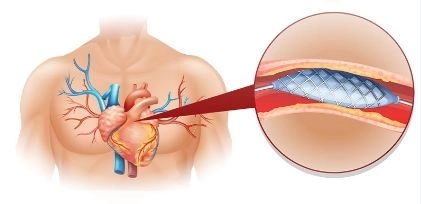
Dr. Karim Mohamed Zaki emphasizes that smart stents, also known as drug-eluting stents, are advanced medical devices placed inside a narrowed coronary artery after it has been widened through cardiac catheterization. These stents slowly release medication that helps prevent the artery from narrowing again, improving blood flow to the heart, reducing chest pain, and lowering the risk of future heart attacks while providing long-term treatment success.
When Does a Patient Need a Smart Stent?
Dr. Karim Mohamed Zaki explains that smart stent placement is recommended when diagnostic tests reveal significant narrowing or blockage in one or more coronary arteries, limiting the supply of oxygen-rich blood to the heart muscle. Patients may experience symptoms such as chest pain, shortness of breath, fatigue, or reduced exercise tolerance. In cases of acute heart attacks, emergency stent placement can be lifesaving by restoring blood flow as quickly as possible.
How Is a Smart Stent Implanted?
Dr. Karim Mohamed Zaki confirms that cardiac catheterization and smart stent implantation are performed by inserting a thin catheter through either the radial artery in the wrist or the femoral artery in the groin until it reaches the blocked coronary artery. A small balloon is used to widen the narrowed area before the stent is deployed to keep the artery permanently open. The procedure is performed under local anesthesia, does not require open surgery, and allows most patients to resume their normal activities within a relatively short period.
Advantages of Smart Stents Compared with Conventional Stents
Dr. Karim Mohamed Zaki points out that smart stents offer several important advantages over conventional bare-metal stents. They significantly reduce the risk of restenosis, improve long-term blood flow, lower the likelihood of future cardiac complications, and provide more durable treatment outcomes when patients adhere to prescribed medications and regular medical follow-up, making them the preferred choice in many cases of coronary artery disease.
Tips After Smart Stent Placement
Dr. Karim Mohamed Zaki emphasizes that the long-term success of smart stent placement depends not only on the procedure itself but also on the patient's commitment to taking prescribed antiplatelet medications, controlling blood pressure, diabetes, and cholesterol levels, quitting smoking, maintaining a heart-healthy diet, engaging in regular physical activity as advised by the physician, and attending routine follow-up appointments to ensure optimal heart health and prevent future complications.
Why Is Cardiac Catheterization and Smart Stent Placement Considered Safe?
Thanks to remarkable advances in interventional cardiology, smart stent implantation has become safer and more precise than ever before. Modern imaging technologies allow cardiologists to accurately identify the location and severity of arterial blockages, select the most appropriate stent for each patient, increase procedural success rates, shorten hospital stays, and help patients return to their normal lives much sooner.
Conclusion
Smart stent placement represents one of the most effective modern treatments for coronary artery disease. It restores healthy blood flow to the heart, relieves symptoms of angina, reduces the risk of heart attacks, and offers excellent long-term outcomes when performed by an experienced cardiologist and followed by proper medical care. Early diagnosis and continuous follow-up remain essential for maintaining cardiovascular health and improving quality of life.