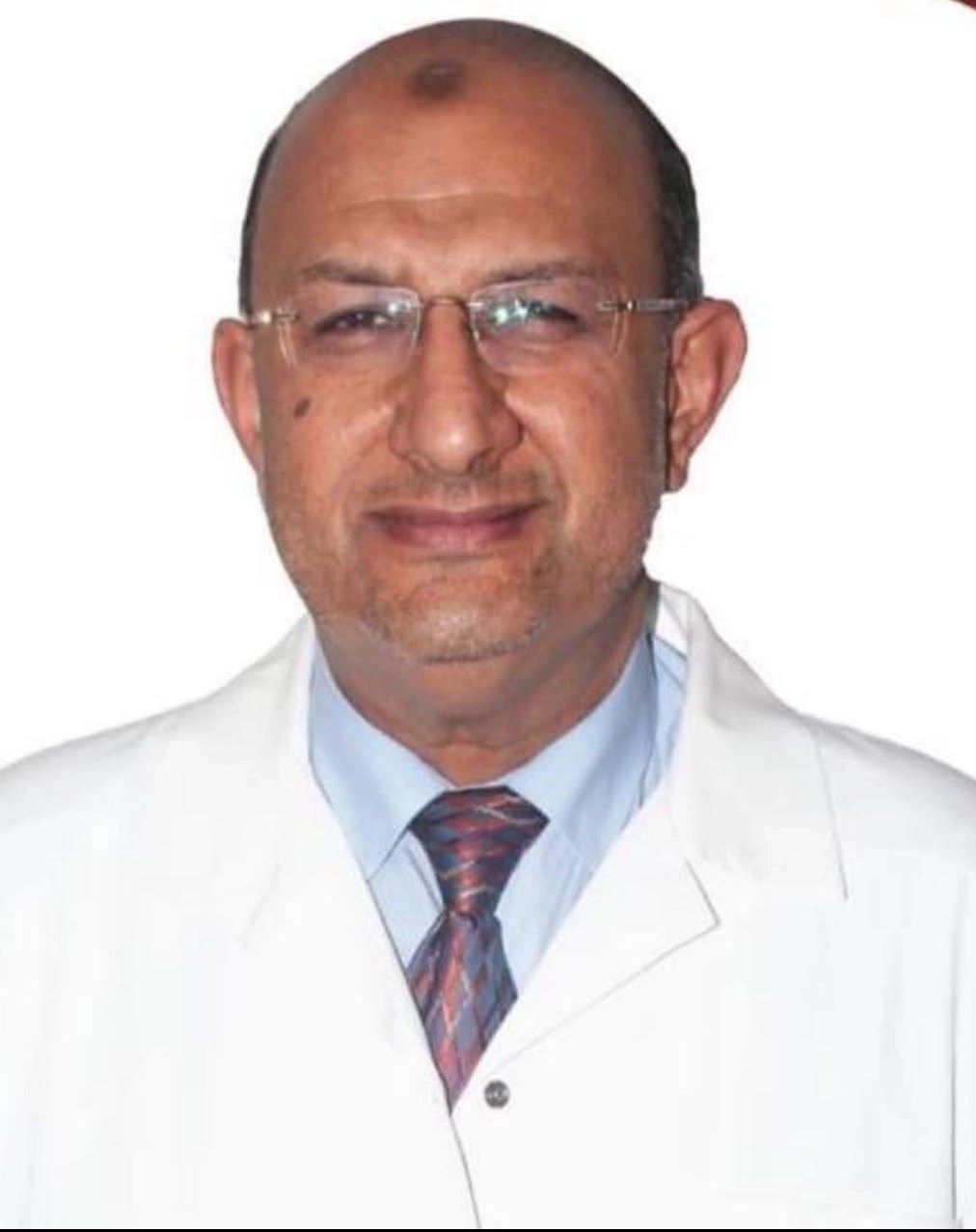

Published on: 2026-07-07 | Written by: Dr. Samer Wagih Gerges Cardiothoracic Surgery
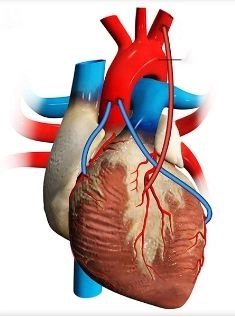
Coronary Artery Bypass Surgery: An Effective Solution for Restoring Heart Function and Improving Quality of Life
Coronary artery bypass surgery (CABG) is one of the most important cardiac surgical procedures used to treat narrowed or blocked coronary arteries, which supply oxygen-rich blood to the heart muscle. By restoring adequate blood flow, this procedure helps relieve chest pain, reduce the risk of heart attacks, improve heart function, and enable patients to return to their normal daily activities. Advances in modern cardiac surgery have significantly increased the success rates of coronary artery bypass procedures while promoting faster recovery and better long-term outcomes.
What Is Coronary Artery Bypass Surgery?
Dr. Samer Wagih emphasizes that coronary artery bypass surgery is performed when the arteries supplying the heart become narrowed or blocked due to the buildup of fatty plaques. The procedure creates a new pathway for blood to reach the heart muscle, improving circulation, enhancing cardiac function, relieving symptoms, and improving overall quality of life. The decision to perform surgery is made after a comprehensive evaluation of the patient's condition and diagnostic test results.
When Does a Patient Need Coronary Artery Bypass Surgery?
Dr. Samer Wagih explains that the need for coronary artery bypass surgery depends on several important factors, including the number of affected coronary arteries, the severity and location of the blockage, heart muscle function, the patient's symptoms, and the results of coronary angiography and other diagnostic tests. In many cases, surgery becomes the most appropriate treatment option when medications or coronary angioplasty cannot provide adequate long-term results.
Benefits of Coronary Artery Bypass Surgery
Dr. Samer Wagih confirms that successful coronary artery bypass surgery offers numerous benefits, including improved blood flow to the heart muscle, relief of chest pain (angina), increased exercise tolerance, reduced risk of future heart attacks, enhanced cardiac performance, and improved long-term quality of life, particularly when patients follow their prescribed medications and postoperative medical recommendations.
Preparation for Surgery and the Recovery Period
Dr. Samer Wagih points out that successful surgery begins with careful preoperative preparation, including comprehensive medical evaluations, assessment of heart and lung function, optimization of chronic medical conditions such as diabetes and hypertension, and strict adherence to medication and fasting instructions before surgery. Recovery also requires compliance with prescribed treatment, maintaining a heart-healthy diet, and participating in cardiac rehabilitation programs whenever recommended.
Maintaining Long-Term Surgical Success
Dr. Samer Wagih emphasizes that preserving the long-term benefits of coronary artery bypass surgery requires important lifestyle modifications, including quitting smoking, following a balanced heart-healthy diet, engaging in regular physician-approved physical activity, controlling blood sugar, blood pressure, and cholesterol levels, maintaining a healthy weight, taking medications as prescribed, and attending regular follow-up appointments. These measures significantly reduce the risk of developing new coronary artery blockages and help maintain optimal cardiovascular health.
Essential Tips for a Healthy Heart
The medical team explains that prevention remains the best strategy for protecting heart health. This includes eating a diet rich in fruits, vegetables, and whole grains, limiting saturated fats and added sugars, avoiding smoking, exercising regularly, maintaining a healthy body weight, and undergoing routine medical screenings for hypertension, diabetes, and abnormal cholesterol levels. These healthy habits play a crucial role in reducing the risk of coronary artery disease and promoting lifelong cardiovascular wellness.
Conclusion
Coronary artery bypass surgery remains one of the most effective treatment options for patients with significant coronary artery disease when clinically indicated. It restores blood flow to the heart muscle, relieves symptoms, improves cardiac function, and lowers the risk of serious cardiovascular complications. Early diagnosis, individualized treatment planning, regular medical follow-up, and commitment to a healthy lifestyle are essential for achieving the best possible long-term outcomes.