
Published on: 2026-07-07 | Written by: Prof. Dr. Mamdouh Ibrahim Consultant Surgeon
Gastrointestinal Endoscopy and the Treatment of Stomach, Intestinal, and Liver Diseases: Accurate Diagnosis and Advanced Medical Care
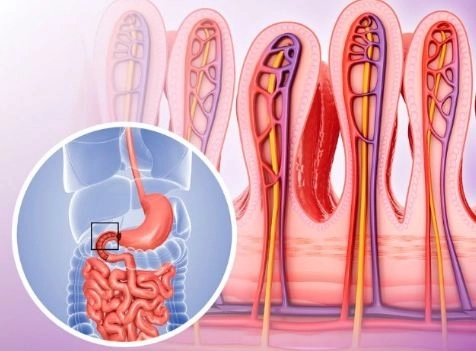
Gastrointestinal endoscopy has become one of the most important advances in modern medicine for the diagnosis and treatment of stomach, intestinal, and liver diseases. It allows physicians to examine the digestive tract with high precision without the need for major surgery in many cases. Endoscopy also enables the early detection of diseases, helping physicians begin treatment promptly, improve patient outcomes, and reduce the risk of complications.
What Is Gastrointestinal Endoscopy?
Professor Dr. Mamdouh Ibrahim emphasizes that gastrointestinal endoscopy is one of the most accurate diagnostic procedures available. It is used to examine the esophagus, stomach, duodenum, colon, and parts of the small intestine, helping diagnose conditions such as gastric ulcers, gastritis, gastroesophageal reflux disease (GERD), gastrointestinal bleeding, digestive system tumors, and liver-related gastrointestinal disorders. In addition, endoscopy allows physicians to collect tissue samples for biopsy and perform certain therapeutic procedures during the same examination, eliminating the need for conventional surgery in many cases.
When Does a Patient Need a Gastrointestinal Endoscopy?
Professor Dr. Mamdouh Ibrahim explains that a gastrointestinal endoscopy may be recommended for patients experiencing persistent stomach pain, difficulty swallowing, recurrent heartburn, continuous vomiting, gastrointestinal bleeding, unexplained anemia, chronic diarrhea or constipation, unexplained weight loss, or when tumors or chronic inflammatory diseases are suspected. Endoscopy provides an accurate diagnosis and helps physicians develop the most appropriate treatment plan.
The Role of Endoscopy in Treating Stomach, Intestinal, and Liver Diseases
Professor Dr. Mamdouh Ibrahim confirms that the role of gastrointestinal endoscopy extends far beyond diagnosis. It is also used to control internal bleeding, remove polyps, retrieve swallowed foreign bodies, dilate narrowed areas of the esophagus, treat esophageal varices, obtain precise tissue biopsies from the stomach or liver, and assist in the early diagnosis of chronic liver diseases and gastrointestinal tumors. These advanced therapeutic capabilities significantly reduce the need for major surgical procedures in many patients.
Advantages of Modern Gastrointestinal Endoscopy
Professor Dr. Mamdouh Ibrahim points out that recent advances in endoscopic technology have made these procedures safer and more effective. Modern gastrointestinal endoscopy requires no surgical incisions, provides highly accurate diagnosis, allows treatment during the examination itself, shortens hospital stays, promotes faster recovery, and enables patients to return to their normal daily activities more quickly, especially when performed by an experienced specialist.
Preparing for Endoscopy and Post-Procedure Care
Professor Dr. Mamdouh Ibrahim emphasizes the importance of following all medical instructions before undergoing an endoscopic examination. Preparation typically includes fasting for several hours, informing the physician about all medications—especially blood thinners—undergoing any necessary laboratory tests, and carefully following post-procedure recommendations such as temporary rest and gradually resuming food intake according to medical advice. These measures help ensure a safe procedure while minimizing potential complications.
How to Maintain a Healthy Digestive System
The medical team explains that prevention plays a vital role in maintaining the health of the digestive system. This includes following a balanced diet, eating plenty of fruits and vegetables, drinking adequate amounts of water, avoiding smoking and alcohol, maintaining a healthy body weight, exercising regularly, avoiding unnecessary medications without medical supervision, and undergoing regular health screenings, particularly for individuals with a family history of digestive or liver diseases.
Conclusion
Gastrointestinal endoscopy is one of the most advanced and effective tools for the diagnosis and treatment of stomach, intestinal, and liver diseases. It provides exceptional diagnostic accuracy, enables early disease detection, and allows many conditions to be treated without major surgery. Seeking medical evaluation from a qualified specialist as soon as symptoms appear can lead to earlier diagnosis, more effective treatment, improved recovery, and better long-term digestive health.