
Published on: 2026-07-02 | Written by: Professor Dr. Duaa Al-Salmawy Prof of Neurology
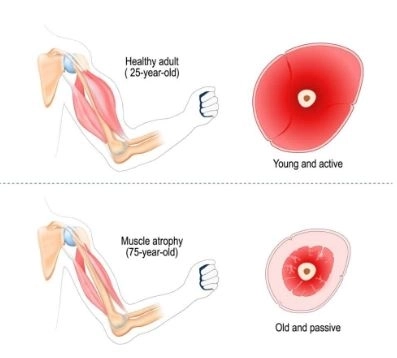
Muscle weakness and atrophy are medical conditions that affect the strength and size of muscles, leading to reduced functional ability and difficulty performing daily activities. These conditions may result from several causes, including physical inactivity, neurological disorders, poor nutrition, or aging. With advancements in rehabilitation medicine, it has become possible to significantly improve muscle strength and reduce atrophy through physical therapy and functional rehabilitation programs.
Dr. Doaa Hanafi El-Salmawy emphasizes that early diagnosis and identifying the underlying cause of muscle weakness are the most important steps in designing an effective treatment plan to gradually restore muscle strength.
What Are Muscle Weakness and Muscle Atrophy?
Muscle weakness refers to a reduction in muscle strength and the inability to generate normal force, while muscle atrophy refers to a decrease in muscle size due to disuse or loss of muscle fibers.
In many cases, both conditions occur together and may affect the arms, legs, or the entire body, depending on the underlying cause.
Causes of Muscle Weakness and Atrophy
Several factors can lead to these conditions, including:
Lack of physical activity or prolonged immobilization
Neurological injuries such as spinal cord or peripheral nerve damage
Chronic diseases such as diabetes
Malnutrition and protein deficiency
Age-related muscle loss (sarcopenia)
Autoimmune or muscular diseases
Post-surgical immobilization or prolonged bed rest
Dr. Doaa Hanafi El-Salmawy notes that accurately identifying the underlying cause is essential for selecting the appropriate treatment for each patient.
Symptoms of Muscle Weakness and Atrophy
Symptoms vary depending on severity but commonly include:
Noticeable muscle weakness
Difficulty lifting objects or walking
Reduction in muscle size compared to normal
Quick fatigue during movement
Muscle cramps or pain in some cases
Occasional balance problems
How Is Muscle Weakness and Atrophy Diagnosed?
Diagnosis typically involves:
Clinical examination to assess muscle strength
Blood tests to detect vitamin deficiencies or inflammation
Imaging studies such as MRI when needed
Electromyography (EMG) to evaluate nerve and muscle function
Dr. Doaa Hanafi El-Salmawy emphasizes that accurate diagnosis helps determine whether the condition is muscular, neurological, or due to another underlying cause.
The Role of Physical Therapy in Treating Muscle Weakness and Atrophy
Physical therapy is the cornerstone of treatment and aims to:
Strengthen Muscles
Through progressive resistance exercises that help rebuild muscle strength and stimulate muscle fibers.
Improve Mobility
Helping restore normal movement patterns and reduce stiffness.
Prevent Further Atrophy
Through structured rehabilitation programs that prevent continued muscle loss.
Enhance Balance
Especially important in elderly patients or those with neurological conditions.
Functional Rehabilitation
Helping patients return to normal daily activities independently.
Dr. Doaa Hanafi El-Salmawy emphasizes that adherence to physical therapy programs is the key factor in successful recovery and gradual improvement.
Modern Physical Therapy Techniques
Modern rehabilitation programs may include:
Progressive resistance training
Manual therapy
Electrical muscle stimulation
Balance and coordination exercises
Comprehensive rehabilitation programs
Therapeutic ultrasound in selected cases
Dr. Doaa Hanafi El-Salmawy notes that treatment selection depends on the severity and underlying cause of the condition.
Prevention Tips for Muscle Weakness and Atrophy
Regular physical exercise
Protein-rich balanced diet
Avoid prolonged immobility
Proper management of chronic diseases such as diabetes
Adherence to physical therapy when needed
Maintaining a healthy body weight
When Should You See a Doctor?
Medical consultation is recommended if you experience:
Persistent muscle weakness
Noticeable muscle loss
Difficulty walking or moving
Rapid decline in muscle strength
Muscle weakness and atrophy are conditions that can be significantly improved with early diagnosis and appropriate treatment. Physical therapy plays a vital role in restoring muscle strength, improving mobility, and preventing further deterioration. Dr. Doaa Hanafi El-Salmawy emphasizes that successful recovery depends on identifying the root cause, following a structured rehabilitation program, and maintaining regular medical follow-up to achieve the best possible outcomes.