
Published on: 2026-07-02 | Written by: Professor Dr. Duaa Al-Salmawy Prof of Neurology
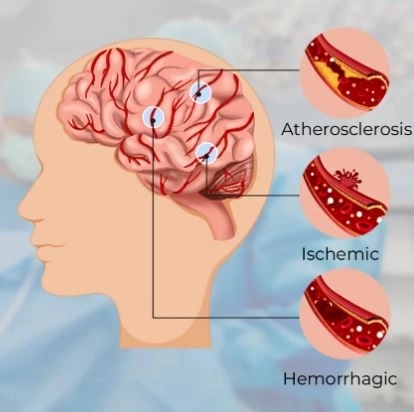
A stroke is a serious medical emergency that requires immediate intervention. It occurs when blood flow to a part of the brain is interrupted or reduced, leading to brain cell damage within minutes. Time is a critical factor in minimizing complications and improving recovery outcomes. With advances in modern medicine, stroke treatment now includes emergency intervention, medication therapy, and comprehensive rehabilitation to restore physical and cognitive functions.
Dr. Doaa Hanafi El-Salmawy emphasizes that early hospital arrival at the onset of symptoms is the most important factor in saving a patient's life and reducing stroke-related complications.
What Is a Stroke?
A stroke occurs when blood flow to the brain is blocked or reduced, preventing oxygen and nutrients from reaching brain cells, which leads to rapid cell damage.
There are two main types of stroke:
Ischemic stroke: The most common type, caused by a blockage in a brain artery.
Hemorrhagic stroke: Caused by the rupture of a blood vessel in the brain.
Causes of Stroke
Several risk factors increase the likelihood of stroke, including:
High blood pressure
Atherosclerosis (hardening of arteries)
Diabetes
High cholesterol levels
Smoking
Obesity and physical inactivity
Heart conditions such as atrial fibrillation
Dr. Doaa Hanafi El-Salmawy notes that controlling these risk factors can significantly reduce the risk of stroke.
Symptoms of Stroke
Stroke symptoms appear suddenly and include:
Weakness or numbness in the face, arm, or leg (usually on one side of the body)
Difficulty speaking or understanding speech
Blurred or loss of vision
Dizziness and loss of balance
Sudden severe headache with no known cause
Stroke symptoms should always be treated as a medical emergency.
First Aid for Stroke
If a stroke is suspected, you should:
Call emergency services immediately
Do not give the patient food or drink
Place the patient in a safe side position
Record the exact time symptoms began
Dr. Doaa Hanafi El-Salmawy emphasizes that knowing the exact onset time helps doctors choose the most effective treatment quickly.
Stroke Treatment
Treatment depends on the type of stroke and how quickly medical care is provided.
Treatment of Ischemic Stroke
Clot-dissolving medications (thrombolytics)
Mechanical thrombectomy (removal of the clot via catheter)
Anticoagulant and antiplatelet medications
Treatment of Hemorrhagic Stroke
Control of brain bleeding
Blood pressure management
Surgical intervention in severe cases
Dr. Doaa Hanafi El-Salmawy explains that accurate diagnosis using imaging studies is essential for selecting the appropriate treatment.
Rehabilitation After Stroke
Rehabilitation is a crucial part of recovery and includes:
Physical Therapy
To improve movement, balance, and muscle strength.
Speech Therapy
To restore speech and communication abilities.
Occupational Therapy
To help patients regain independence in daily activities such as eating and dressing.
Psychological Support
To help patients cope with emotional and psychological changes.
Dr. Doaa Hanafi El-Salmawy emphasizes that adherence to rehabilitation programs greatly improves quality of life after stroke.
Complications of Stroke
Possible complications include:
Weakness or paralysis on one side of the body
Speech difficulties
Swallowing problems
Memory impairment
Post-stroke depression
Prevention of Stroke
Stroke risk can be reduced by:
Controlling blood pressure
Managing blood sugar levels
Quitting smoking
Regular physical exercise
Healthy diet
Routine cardiovascular checkups
Dr. Doaa Hanafi El-Salmawy highlights that prevention is primarily based on maintaining a healthy lifestyle and regular medical follow-up.
A stroke is a life-threatening medical emergency that requires immediate action to save lives and reduce long-term complications. Successful treatment depends on rapid diagnosis, urgent medical intervention, and early rehabilitation. Prevention remains the most effective strategy through controlling risk factors. Dr. Doaa Hanafi El-Salmawy emphasizes that awareness of stroke symptoms and immediate response are key to improving recovery outcomes and reducing disability.