

Published on: 2026-07-02 | Written by: Dr. Omaima Fawzy El-Molla Consultant in Physical
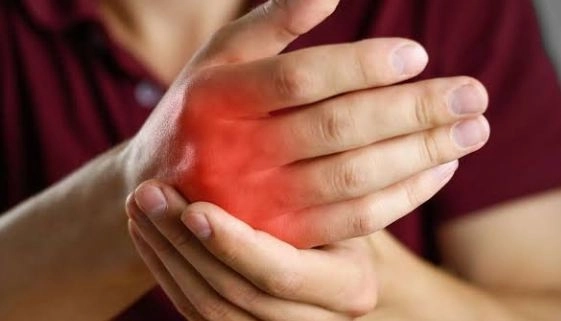
Treatment of Different Types of Rheumatism: Early Diagnosis Is the Key to Disease Control
Dr. Omima Fawzy El-Molla emphasizes that the treatment of different types of rheumatism depends on early and accurate diagnosis of the specific rheumatic condition, as each type affects the joints and connective tissues differently and therefore requires a tailored treatment plan aimed at reducing inflammation, preventing complications, and improving the patient’s quality of life.
What Is Rheumatism?
Dr. Omima Fawzy El-Molla explains that rheumatism is a broad term covering a wide range of diseases affecting joints, muscles, and connective tissues. It may result from immune disorders or chronic inflammation and can lead to pain, stiffness, and swelling in the joints if not properly treated.
Types of Rheumatism
Dr. Omima Fawzy El-Molla confirms that rheumatism is not a single disease but includes multiple conditions such as rheumatoid arthritis, systemic lupus erythematosus, osteoarthritis, gout, and other autoimmune-related joint inflammations. Each condition requires a different treatment approach based on severity and disease nature.
Causes of Rheumatism
Causes may include genetic and immune factors, immune system dysfunction, chronic inflammation, environmental triggers, obesity, and repeated stress on joints, all of which can contribute to the development of symptoms that vary in severity from one patient to another.
Symptoms of Rheumatism
Dr. Omima Fawzy El-Molla advises that symptoms include joint pain, swelling, morning stiffness, difficulty moving joints, general fatigue, and in some cases systemic symptoms affecting other organs depending on the type of rheumatic disease.
Diagnosis of Rheumatism
Diagnosis relies on a thorough clinical examination, autoimmune blood tests, X-rays or MRI scans, and overall patient evaluation to determine the exact type and stage of the disease and to establish an appropriate treatment plan.
Treatment of Different Types of Rheumatism
Dr. Omima Fawzy El-Molla emphasizes that treatment typically includes anti-inflammatory medications, immune-modulating drugs for autoimmune cases, physical therapy and rehabilitation, lifestyle modifications, and regular follow-up to prevent disease progression.
Importance of Early Treatment
Early treatment helps reduce joint damage, prevent permanent deformities, improve mobility, and significantly reduce pain while enhancing the effectiveness of medical therapies used to control the disease.
Role of Physical Therapy
Physical therapy helps improve joint flexibility and strengthen surrounding muscles, which reduces pain and enhances functional movement. It is an essential component of long-term rheumatism management.
Prevention of Rheumatic Complications
Dr. Omima Fawzy El-Molla confirms that adherence to treatment, regular medical follow-up, maintaining a healthy weight, engaging in appropriate physical activity, and avoiding excessive strain on joints all play a key role in reducing complications and improving overall patient outcomes.
Conclusion
Dr. Omima Fawzy El-Molla advises that treating different types of rheumatism requires a comprehensive approach combining accurate diagnosis, medical treatment, and rehabilitation, and that adherence to medical instructions and regular follow-up is essential for effective disease control and improved quality of life.