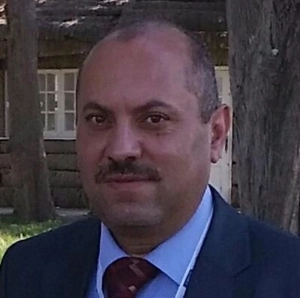

Published on: 2026-07-01 | Written by: Dr Fatima Rajab PhD in Audiology

Vestibular Rehabilitation and Treatment of Dizziness and Balance Disorders: The Key to Restoring Stability and Quality of Life
Learn about the causes of dizziness and balance disorders, modern diagnostic methods, the importance of vestibular rehabilitation, and the role of Dr. Fatma Ragab in diagnosing and treating dizziness and balance disorders using the latest technologies.
What Are Dizziness and Balance Disorders?
It is important to emphasize that dizziness and balance disorders are among the most common medical conditions that can significantly affect mobility and daily activities. Patients may experience a spinning sensation, unsteadiness, or difficulty maintaining balance while standing or walking.
What Causes Dizziness and Balance Disorders?
Medical experts emphasize that dizziness can result from several underlying conditions, including:
Inner ear disorders.
Vestibular neuritis.
Benign Paroxysmal Positional Vertigo (BPPV).
Ménière’s disease.
Certain neurological disorders.
Low blood pressure or circulatory problems.
Side effects of certain medications.
What Are the Symptoms of Balance Disorders?
It is essential to note that the following symptoms should never be ignored, as they may indicate an underlying condition requiring accurate evaluation:
Sudden episodes of vertigo.
Loss of balance while walking.
Feeling likely to fall.
Nausea or vomiting associated with dizziness.
Difficulty concentrating during movement.
Unsteadiness when changing head position.
How Are Dizziness and Balance Disorders Diagnosed?
Dr. Fatma Ragab emphasizes that an accurate diagnosis is the foundation of successful treatment. Diagnosis includes a detailed medical history, clinical examination, and specialized investigations such as Videonystagmography (VNG) and comprehensive hearing assessments to determine the exact cause of the symptoms.
What Is Vestibular Rehabilitation?
It is important to understand that vestibular rehabilitation consists of specialized therapeutic exercises designed to help the brain adapt to balance disorders, reduce dizziness, and gradually restore balance in a safe and effective manner.
Why Is Early Treatment Important?
Dr. Fatma Ragab stresses that early diagnosis and treatment can reduce symptom progression, improve recovery outcomes, and lower the risk of falls, especially in older adults and patients with chronic balance disorders.
How Is Vestibular Rehabilitation Performed?
Medical specialists confirm that rehabilitation programs are individualized according to each patient's condition and may include:
Vestibular rehabilitation exercises.
Balance and gait training.
Eye-head coordination exercises.
Lifestyle modifications when necessary.
Regular follow-up to monitor progress.
The Role of Advanced Diagnostic Technology
Dr. Fatma Ragab explains that advanced hearing and balance assessment technologies allow for more precise diagnosis, making it possible to develop a personalized treatment plan that maximizes recovery and improves long-term outcomes.
When Should You See a Specialist?
Doctors strongly advise seeking medical evaluation if dizziness becomes recurrent, balance problems persist, falls occur repeatedly, or dizziness is accompanied by hearing loss or tinnitus, as early diagnosis can help prevent serious complications.
Can Balance Disorders Be Treated Successfully?
Dr. Fatma Ragab confirms that many cases of dizziness and balance disorders respond very well to appropriate medical treatment and vestibular rehabilitation when the underlying cause is accurately diagnosed and the patient follows the recommended treatment plan.