
Published on: 2026-07-01 | Written by: Dr. Ahmed Mohamed Abu Zeid, plastic surgery
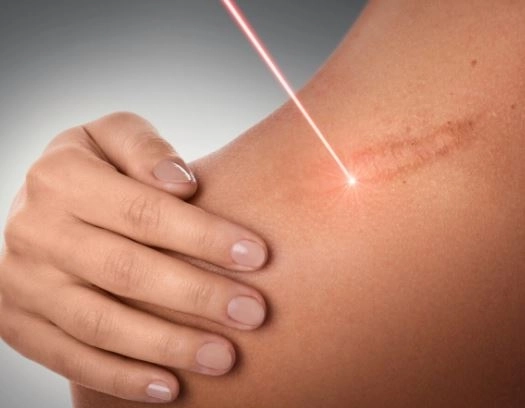
Scars and wound marks are among the most common skin concerns that can affect physical appearance, skin function, and self-confidence, particularly when injuries result from accidents, surgery, burns, or deep wounds. The appearance of scars varies depending on the severity of the injury, the healing process, and individual skin characteristics. Thanks to remarkable advances in plastic surgery, laser therapy, injectable treatments, and modern skin rejuvenation techniques, it is now possible to significantly improve the appearance of scars and restore a smoother, more natural skin texture.
Dr. Ahmed Mohamed Abu Zeid emphasizes that accurate evaluation of the scar type and selecting the most appropriate treatment plan for each patient are essential for achieving the best cosmetic and functional outcomes.
What Are Scars and Wound Marks?
A scar is a fibrous tissue that forms naturally as part of the body's healing process after a wound, burn, surgical incision, or skin injury. Scar appearance may vary in color, thickness, size, and texture depending on the depth of the injury and the body's healing response.
Some scars become barely noticeable over time, while others remain raised, depressed, or extensive enough to affect both appearance and mobility.
Causes of Scar Formation
Several factors contribute to the development of scars and wound marks, including:
Deep wounds
Burn injuries of varying severity
Surgical procedures
Wound infections during healing
Severe acne
A genetic predisposition to hypertrophic scars or keloids
Dr. Ahmed Mohamed Abu Zeid explains that proper wound care from the earliest stages significantly reduces the likelihood of developing noticeable scars.
Types of Scars
The most common types include:
Atrophic Scars
These are depressed scars commonly seen after severe acne or chickenpox.
Hypertrophic Scars
Raised scars that remain confined within the original boundaries of the wound.
Keloid Scars
These scars extend beyond the original wound margins and continue growing due to excessive collagen production.
Contracture Scars
Often caused by burns, these scars tighten the skin and may restrict joint movement when located near major joints.
How Are Scars Evaluated?
Selecting the most appropriate treatment requires a comprehensive evaluation based on:
The type of scar
Its size and depth
Its location on the body
The age and maturity of the scar
The patient's skin type
Its impact on appearance or physical function
Dr. Ahmed Mohamed Abu Zeid emphasizes that careful clinical assessment allows physicians to create an individualized treatment plan that provides safe and natural-looking results.
Modern Treatment Options for Scars and Wound Marks
Treatment varies according to the scar type and severity and may include:
Laser Therapy
Laser treatment improves skin color, reduces scar thickness, and stimulates collagen production, resulting in smoother and more flexible skin.
Scar Injections
Corticosteroid injections and other injectable medications can effectively reduce raised scars and keloids.
Scar Revision Surgery
For large or functionally limiting scars, plastic surgery may be performed to remove or reshape scar tissue and improve both appearance and movement.
Chemical Skin Resurfacing
Chemical peels and other resurfacing techniques help improve superficial scars and create a more even skin tone.
Microneedling
Microneedling stimulates natural collagen production, making it particularly effective for improving atrophic scars and wound marks.
Silicone Sheets and Medical Dressings
Medical-grade silicone sheets help flatten raised scars and improve their appearance throughout the healing process.
Tips for Scar Care
To maximize treatment results, patients are encouraged to:
Follow the prescribed treatment plan carefully
Apply recommended medical creams consistently
Protect scars from direct sunlight and use sunscreen regularly
Keep the skin well moisturized
Avoid unproven home remedies
Attend all scheduled treatment sessions and follow-up visits
Dr. Ahmed Mohamed Abu Zeid emphasizes that adherence to medical recommendations significantly improves healing and minimizes the risk of persistent or recurrent scar formation.
When Should You Consult a Doctor?
Medical evaluation is recommended if you notice:
A raised scar that continues to enlarge
Persistent pain or severe itching
Significant changes in scar color or texture
Skin tightening that limits movement
Cosmetic or functional deformities affecting daily life
Early intervention often provides more effective treatment options.
Can Scars Be Prevented?
Although not every scar can be prevented, their severity can often be minimized by:
Treating wounds promptly and appropriately
Keeping wounds clean to prevent infection
Changing dressings according to medical instructions
Protecting healed skin from excessive sun exposure
Maintaining regular follow-up for major wounds or burn injuries
Scar and wound mark treatment plays a vital role in restoring healthy skin appearance, improving flexibility, and rebuilding self-confidence. Advances in laser therapy, scar revision surgery, injectable treatments, microneedling, and medical silicone technologies have dramatically improved outcomes for patients with many different types of scars.
Dr. Ahmed Mohamed Abu Zeid emphasizes that early assessment, selecting the most appropriate treatment for each scar type, and maintaining regular medical follow-up are the key factors in achieving optimal cosmetic and functional results while improving overall quality of life.