

Published on: 2026-06-29 | Written by: Dr. Ramadan Mohamed Al-Rashidi, PhD in General
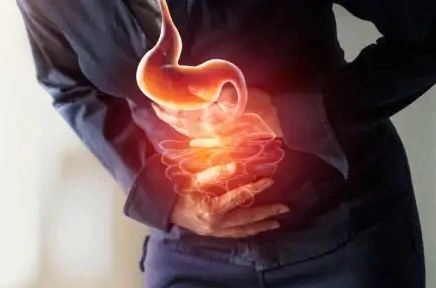
Gastrointestinal Surgery: An Effective Solution for Treating Digestive System Diseases
Gastrointestinal surgery has become one of the most advanced surgical specialties in modern medicine. Thanks to significant progress in minimally invasive techniques and laparoscopic surgery, many digestive disorders can now be treated more safely, with less pain, smaller incisions, and faster recovery. Early surgical intervention also helps prevent serious complications and improves patients' quality of life.
What is Gastrointestinal Surgery?
Dr. Ramadan Mohamed El Rashidy emphasizes that gastrointestinal surgery includes the treatment of diseases affecting the esophagus, stomach, small intestine, colon, rectum, and gallbladder. He explains that the choice of the appropriate surgical procedure depends on an accurate diagnosis, the patient's overall condition, and the stage of the disease to achieve the best possible outcomes while minimizing complications.
These procedures may be performed through conventional open surgery or advanced laparoscopic techniques, depending on each patient's specific medical condition.
When Does a Patient Need Gastrointestinal Surgery?
Dr. Ramadan Mohamed El Rashidy explains that some gastrointestinal diseases cannot be effectively treated with medication alone, making surgery the most appropriate option. This includes cases of gallstones, hernias, gastrointestinal tumors, intestinal obstruction, appendicitis, and certain colon and rectal disorders that require surgical intervention.
He also advises patients not to ignore persistent symptoms such as severe abdominal pain, repeated vomiting, gastrointestinal bleeding, or unexplained weight loss, as these signs may indicate serious conditions requiring prompt medical evaluation.
Laparoscopic Gallbladder Surgery
Dr. Ramadan Mohamed El Rashidy confirms that laparoscopic gallbladder removal is one of the most successful and commonly performed gastrointestinal procedures. The operation is carried out through small incisions, resulting in less postoperative pain, quicker recovery, and a faster return to normal daily activities compared with traditional open surgery.
Laparoscopic surgery also reduces the risk of infection and shortens hospital stays, making it the preferred treatment for most patients with symptomatic gallstones.
Gastrointestinal Cancer Surgery
Dr. Ramadan Mohamed El Rashidy stresses that early detection of gastrointestinal cancers significantly increases the chances of successful treatment. He explains that identifying the type and stage of the tumor is essential for selecting the most effective treatment plan, whether surgery alone or in combination with other oncology treatments.
These procedures may include the surgical removal of tumors involving the stomach, colon, rectum, small intestine, and other parts of the digestive tract while preserving normal organ function whenever possible.
Colon and Rectal Surgery
Dr. Ramadan Mohamed El Rashidy emphasizes that colon and rectal surgery is performed to treat colorectal cancer, chronic inflammatory diseases, intestinal obstruction, and other complex conditions. He points out that laparoscopic techniques, when appropriate, help reduce surgical trauma, shorten recovery time, and improve overall surgical outcomes.
Successful treatment depends on early diagnosis, proper surgical planning, and careful postoperative follow-up.
Hernia Surgery
Surgical repair is the definitive treatment for all types of hernias and helps prevent serious complications such as strangulation or bowel obstruction. Modern surgical mesh techniques have also contributed to lowering recurrence rates and improving long-term outcomes.
Advantages of Laparoscopic Surgery
Dr. Ramadan Mohamed El Rashidy explains that laparoscopic surgery has revolutionized gastrointestinal procedures by offering smaller incisions, reduced pain, lower complication rates, shorter hospitalization, and faster recovery while maintaining excellent surgical precision and effectiveness.
Tips Before Gastrointestinal Surgery
Patients should complete all recommended laboratory tests and imaging studies before surgery, inform their surgeon about any chronic medical conditions and medications, and carefully follow fasting instructions to help ensure a safe and successful operation.
Tips After Gastrointestinal Surgery
Patients should take prescribed medications as directed, gradually resume physical activity, follow the recommended dietary plan, and seek immediate medical attention if they experience fever, severe pain, excessive bleeding, or persistent vomiting after surgery.