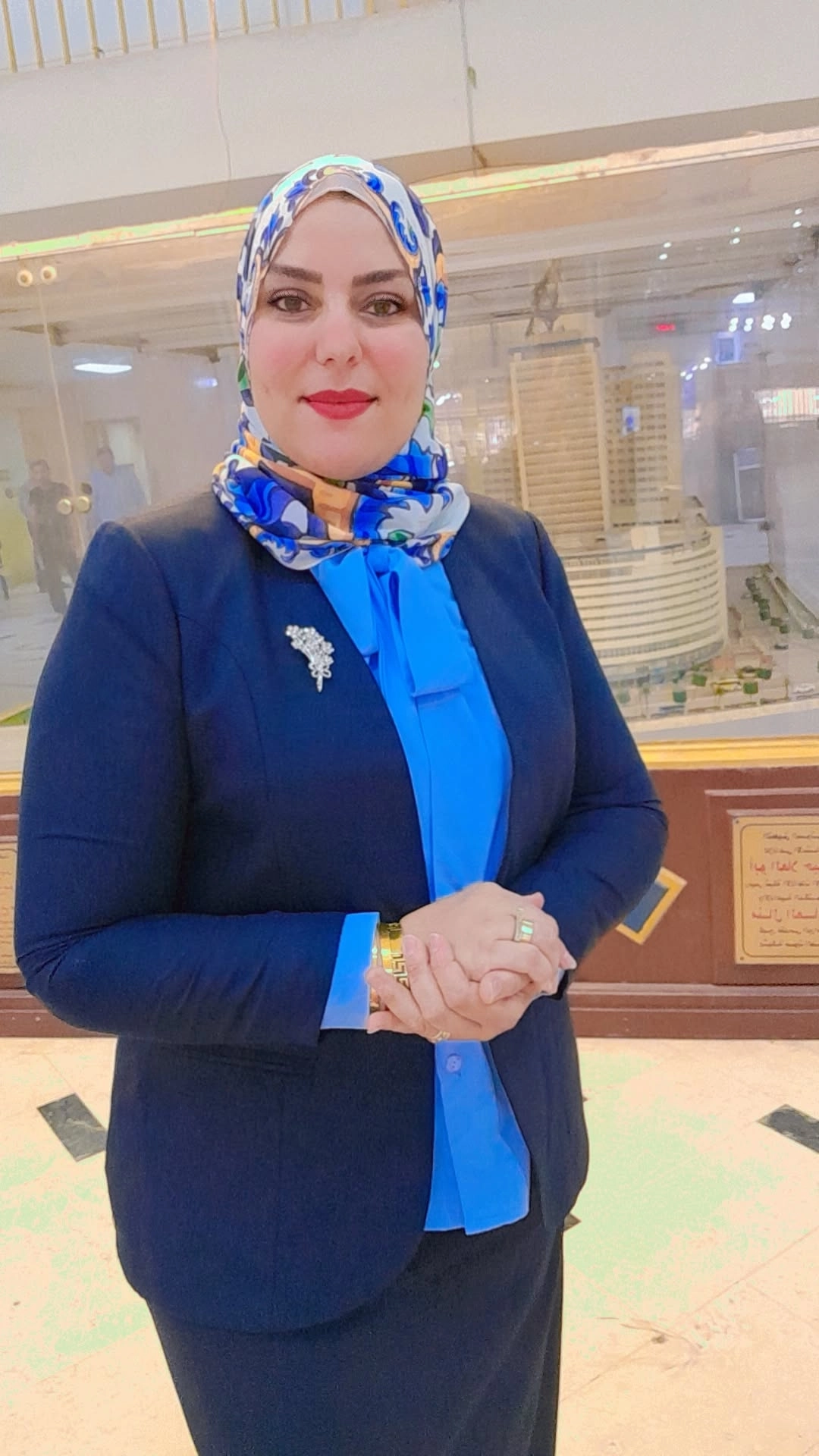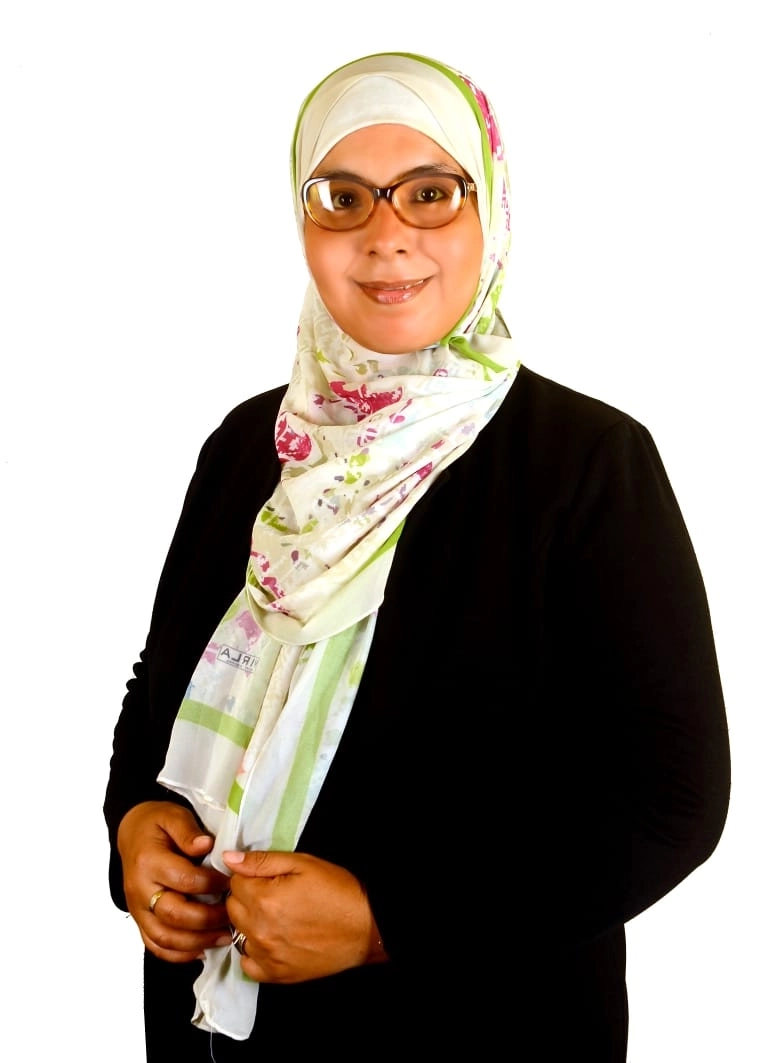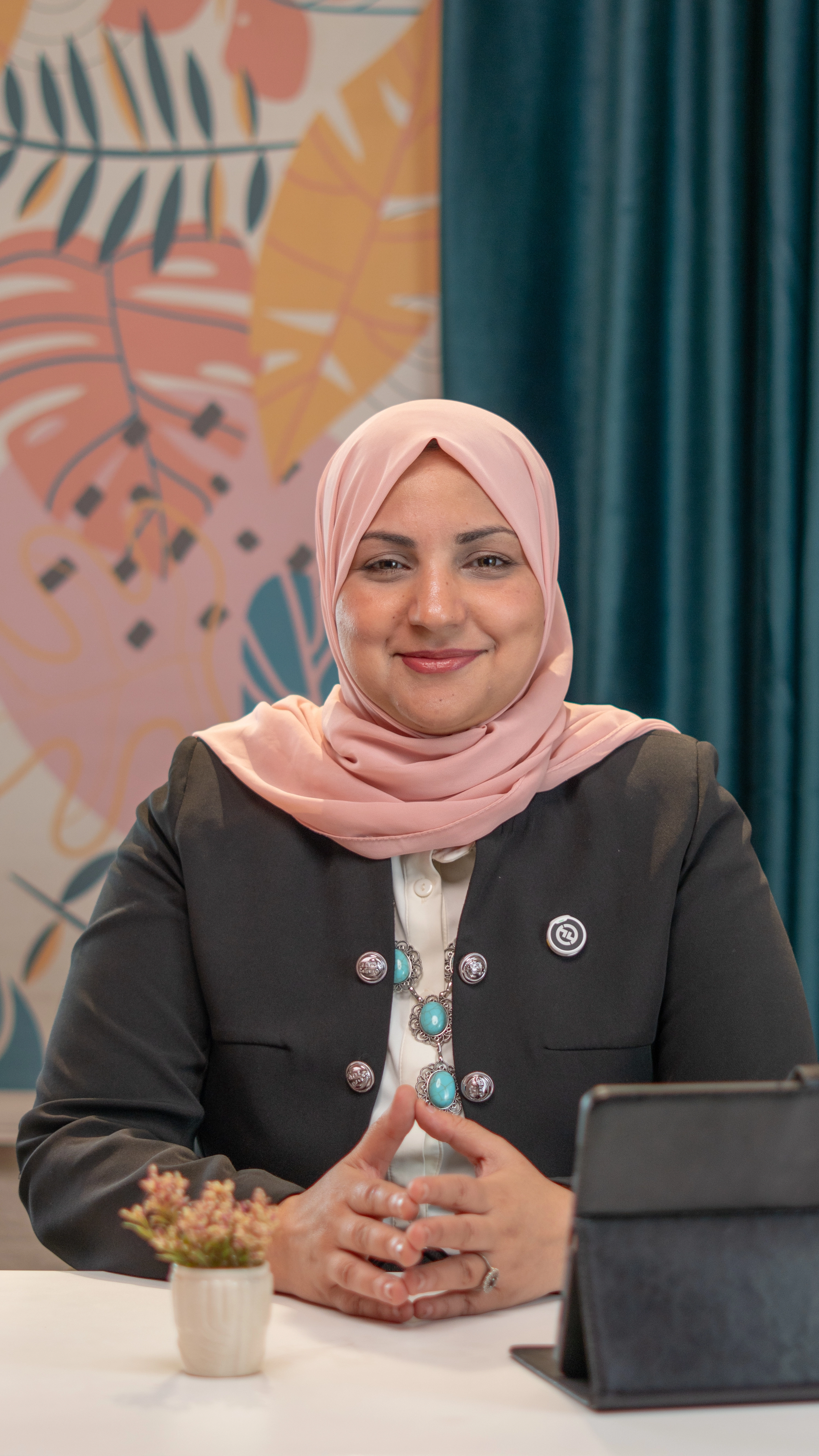

Published on: 2026-06-28 | Written by: Specialist Asmaa Rizk, Specialist in Special Education
Autism Spectrum Disorder (ASD) is a neurodevelopmental condition that affects communication, social interaction, and behavior. The severity and presentation of symptoms vary from one child to another. With significant advances in special education and rehabilitation programs, skill development interventions have become increasingly effective in helping children with autism improve their communication, cognitive, social, and daily living skills, enabling them to participate more successfully at home, in school, and within the community.
Specialist. Asmaa Rizk emphasizes that early intervention and an individualized rehabilitation program tailored to each child's unique needs are among the most important factors in achieving meaningful progress in the child's development and overall quality of life.
What Is Autism Spectrum Disorder?
Autism Spectrum Disorder (ASD) is a developmental condition that typically appears during the first few years of life and affects several areas of development, including:
Verbal and non-verbal communication
Social interaction
Attention and concentration
Repetitive behaviors and restricted interests
Flexibility in adapting to changes
Because every child with autism has different strengths and challenges, individualized assessment and intervention are essential.
The Importance of Skill Development for Children with Autism
Skill development programs are designed to help children acquire new abilities while strengthening existing skills, leading to greater independence and improved daily functioning. Their primary goals include:
Improving communication skills
Enhancing social interaction
Promoting independence
Supporting academic development
Reducing challenging behaviors
Improving the quality of life for both the child and the family
Skills Targeted in Rehabilitation Programs
Comprehensive rehabilitation programs focus on developing a wide range of essential skills.
Communication Skills
Children are taught how to express their needs, understand instructions, develop language abilities, and use alternative communication methods when appropriate.
Social Skills
Programs help children learn how to interact with others, share activities, take turns, understand social cues, and build meaningful relationships.
Cognitive Skills
Training focuses on improving attention, concentration, memory, problem-solving abilities, visual perception, and auditory processing.
Motor Skills
Activities are designed to strengthen both fine motor skills, such as writing and manipulating small objects, and gross motor skills, including balance, running, jumping, and coordination.
Daily Living Skills
Children are encouraged to develop independence through learning essential self-care activities, including:
Eating independently
Getting dressed
Maintaining personal hygiene
Organizing personal belongings
Dr. Asmaa Rizk explains that mastering these everyday skills significantly enhances a child's independence and self-confidence.
Rehabilitation Approaches for Children with Autism
A comprehensive rehabilitation program may include several evidence-based interventions, depending on the child's individual needs.
Special Education Sessions
Designed to improve cognitive, academic, and learning skills through individualized teaching strategies.
Speech and Language Therapy
Focused on strengthening language comprehension, expressive communication, and functional communication skills.
Behavioral Intervention
Scientific behavioral strategies are used to reduce challenging behaviors while reinforcing positive and adaptive behaviors.
Sensory Integration Therapy
Helps children respond more effectively to different sensory experiences encountered in daily life.
Social Skills Training
Children participate in structured individual and group activities that promote communication, cooperation, and peer interaction.
Specialist. Asmaa Rizk emphasizes that combining multiple therapeutic approaches within a personalized intervention plan often produces the most effective outcomes.
The Role of the Family in Successful Rehabilitation
Families play a vital role in maximizing the effectiveness of intervention programs by:
Practicing therapeutic activities at home
Maintaining regular communication with specialists
Encouraging children to use newly learned skills
Providing consistent positive reinforcement
Creating a calm, supportive learning environment
The Importance of Early Intervention
Early intervention offers numerous long-term benefits, including:
Improved communication and language development
Stronger social interaction skills
Reduction in challenging behaviors
Better school readiness and educational integration
Greater independence in everyday activities
Specialist Asmaa Rizk emphasizes that beginning intervention at an early age provides children with the greatest opportunity to develop their abilities and reach their full potential.
Signs That Require Professional Assessment
Parents should seek professional evaluation if their child shows signs such as:
Delayed speech or lack of response to their name
Limited eye contact
Difficulty interacting with others
Repetitive movements or behaviors
Highly restricted interests
Difficulty coping with changes in daily routines
Early assessment allows intervention to begin before developmental challenges become more significant.
Expected Outcomes of Skill Development Programs
With consistent participation and family involvement, children may achieve substantial improvements, including:
Better communication skills
Enhanced learning abilities
Improved social interaction
Greater independence in daily living
Increased self-confidence
An overall improvement in quality of life
Skill development programs for children with Autism Spectrum Disorder play a fundamental role in enhancing communication, social interaction, daily living skills, cognitive development, and academic readiness. Successful rehabilitation depends on early diagnosis, individualized intervention plans, and close collaboration between families and specialists.
Specialist. Asmaa Rizk believes that every child with autism possesses unique strengths that can be nurtured through evidence-based intervention, continuous support, and personalized rehabilitation, enabling each child to achieve the highest possible level of independence and lifelong success.