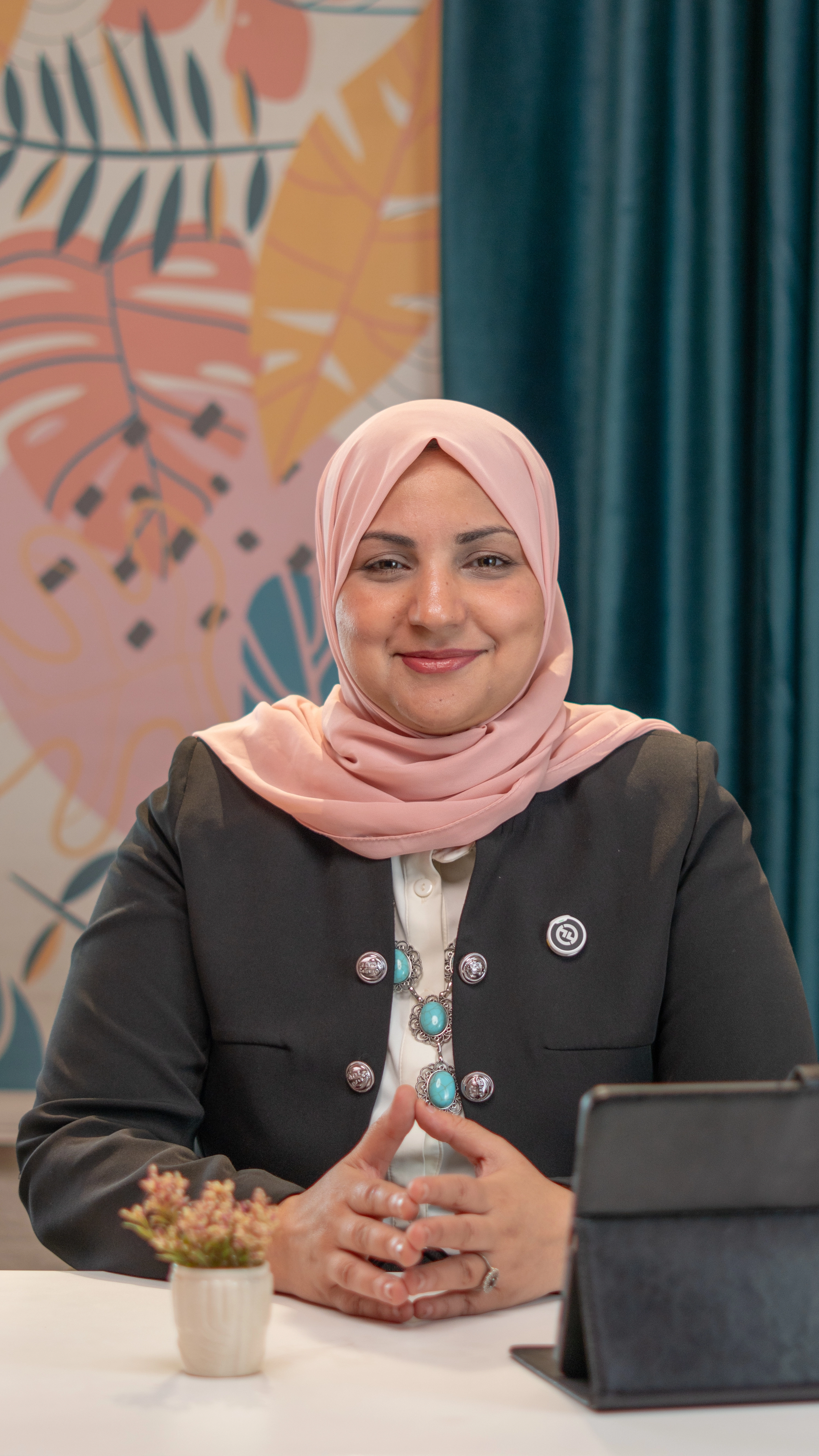

Published on: 2026-06-28 | Written by: Specialist Asmaa Rizk, Specialist in Special Education

Rehabilitation for learning disabilities and academic delay in children is one of the most important fields of special education and developmental intervention. It helps children improve their academic, cognitive, behavioral, and social skills while giving them the opportunity to reach their full potential both inside and outside the classroom. Successful rehabilitation depends on early assessment, accurate diagnosis, and an individualized intervention plan tailored to each child's unique needs.
Dr. Asmaa Rizk emphasizes that early intervention in cases of learning disabilities and academic delay produces better outcomes, enabling children to gradually develop essential learning and social skills while strengthening their confidence and motivation to learn.
What Are Learning Disabilities?
Learning disabilities are neurological conditions that affect a child's ability to acquire specific academic skills despite having normal intelligence and no significant sensory or intellectual impairment. These difficulties may involve:
Reading (Dyslexia)
Writing
Spelling
Mathematics (Dyscalculia)
Attention and concentration
Working memory
The severity of learning disabilities varies from one child to another, making individualized intervention essential.
What Is Academic Delay?
Academic delay refers to a child's performance being significantly below the expected educational level for their age or grade. It may result from educational, psychological, environmental, or medical factors and does not necessarily indicate the presence of a learning disability.
Distinguishing between academic delay and learning disabilities is essential to selecting the most appropriate intervention strategy.
Causes of Learning Disabilities and Academic Delay
Several factors may contribute to these challenges, including:
Attention and concentration disorders
Language and speech delays
Weak cognitive processing skills
Psychological issues such as anxiety or low self-esteem
Frequent school absenteeism
Limited educational or family support
Certain neurological or developmental conditions
Dr. Asmaa Rizk explains that identifying the underlying cause through comprehensive assessment is the foundation for designing an effective rehabilitation program.
Symptoms of Learning Disabilities and Academic Delay
Children may exhibit several warning signs, including:
Difficulty learning letters and words
Slow reading speed or frequent reading errors
Problems with writing and spelling
Weak mathematical skills
Poor attention and easy distractibility
Difficulty following multi-step instructions
Persistent low academic performance
Reduced self-confidence or reluctance to complete school assignments
How Are Learning Disabilities Diagnosed?
Accurate diagnosis requires a comprehensive evaluation that includes:
Family Interview
Gathering information about the child's developmental history, behavior, and educational background.
Psychological and Educational Assessment
Evaluating intellectual abilities, academic achievement, and learning skills.
Learning Disability Assessments
Identifying the child's strengths and areas requiring intervention.
Language and Attention Evaluation
Performed when language disorders or attention-related difficulties are suspected.
Specialist. Asmaa Rizk emphasizes that a comprehensive assessment is the first and most important step toward developing an effective individualized treatment plan.
Rehabilitation Programs for Learning Disabilities
Modern intervention programs typically include:
Reading Skills Development
Using evidence-based instructional strategies tailored to the child's needs.
Writing and Spelling Training
Through structured and progressive educational activities.
Mathematics Skill Development
Using simplified teaching methods and interactive learning techniques.
Attention and Concentration Training
To improve focus, task completion, and information processing.
Memory and Cognitive Skills Enhancement
Strengthening working memory, reasoning, and learning efficiency.
Behavioral Support and Self-Confidence Building
Providing psychological and educational support to encourage motivation and resilience.
Specialist. Asmaa Rizk emphasizes that active family participation in implementing intervention strategies at home significantly accelerates the child's educational progress.
The Role of the Family in Successful Rehabilitation
Parents play a vital role by:
Providing continuous encouragement
Avoiding comparisons with other children
Establishing consistent study and rest schedules
Maintaining communication with teachers and specialists
Celebrating every achievement, regardless of its size
When Should Parents Seek Professional Help?
Professional evaluation is recommended if parents notice:
Persistent difficulties with reading or writing
Ongoing problems with mathematics
Noticeable decline in academic performance
Attention deficits affecting classroom learning
School refusal related to learning difficulties
Early intervention can prevent these challenges from becoming more severe over time.
Benefits of Early Intervention
Early rehabilitation can help children:
Improve academic achievement
Develop stronger communication skills
Enhance attention and concentration
Increase self-confidence
Reduce behavioral and emotional difficulties
Become more independent learners
Specialist. Asmaa Rizk emphasizes that the earlier intervention begins, the greater the opportunity for children to develop their abilities and overcome learning challenges successfully.
Rehabilitation for learning disabilities and academic delay in children plays a crucial role in helping children overcome educational challenges and achieve their highest academic and social potential. Success depends on early diagnosis, individualized intervention programs, and close collaboration between families, educators, and specialists.
Specialist. Asmaa Rizk believes that every child possesses unique strengths that can flourish when provided with appropriate support at the right time, paving the way for greater educational success, improved self-confidence, and a brighter future.