

Published on: 2026-06-28 | Written by: Dr. Ahmed Suleiman Head of Cardiology Department
Treatment of Coronary Artery Disease, Angina, and Heart Attacks: Early Diagnosis Makes the Difference in Protecting the Heart
Coronary artery disease, angina, and heart attacks are among the most common and serious cardiovascular conditions, as they directly affect the blood and oxygen supply to the heart muscle. Without timely diagnosis and treatment, these conditions can lead to life-threatening complications. Fortunately, advances in cardiac catheterization, interventional cardiology, and modern medical therapies have significantly improved recovery rates and reduced long-term complications.
What Is Coronary Artery Disease?
Dr. Ahmed Soliman emphasizes that coronary artery disease develops when the arteries supplying the heart become narrowed or blocked due to the buildup of cholesterol and fatty deposits, reducing blood flow to the heart muscle and causing symptoms that may gradually worsen if appropriate medical treatment is delayed.
What Is Angina?
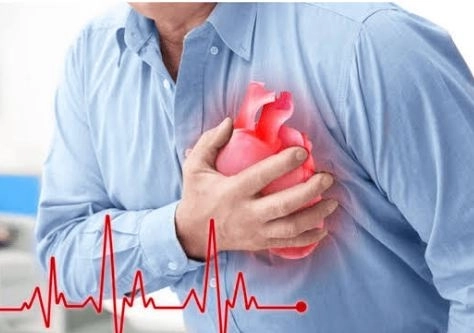
Dr. Ahmed Soliman explains that angina is characterized by chest pain, pressure, or discomfort caused by an insufficient blood supply to the heart muscle, and the pain may radiate to the left arm, shoulder, neck, or jaw, while confirming that angina should always be considered an important warning sign requiring prompt evaluation of the coronary arteries.
What Is a Heart Attack?
Dr. Ahmed Soliman confirms that a heart attack occurs when one of the coronary arteries becomes completely and suddenly blocked, preventing blood from reaching part of the heart muscle, making immediate medical intervention essential to restore blood flow, preserve heart muscle function, and minimize permanent damage.
What Causes Coronary Artery Disease?
Dr. Ahmed Soliman points out that high blood pressure, diabetes, high cholesterol, smoking, obesity, physical inactivity, chronic stress, and a family history of heart disease are all major risk factors that significantly increase the likelihood of developing coronary artery disease and angina.
Symptoms of Coronary Artery Disease and Angina
Dr. Ahmed Soliman stresses that chest pain or pressure, shortness of breath, fatigue with minimal exertion, cold sweating, nausea, and pain spreading to the arm, shoulder, neck, or jaw are symptoms that require immediate evaluation by a cardiologist, particularly if they occur repeatedly during physical activity or even at rest.
How Are These Conditions Diagnosed?
Dr. Ahmed Soliman explains that diagnosing coronary artery disease involves a detailed medical history, physical examination, electrocardiography (ECG), echocardiography, stress testing when appropriate, and coronary angiography (cardiac catheterization), which remains the most accurate method for identifying the location and severity of arterial blockages and determining the most suitable treatment plan.
Treatment of Coronary Artery Disease
Dr. Ahmed Soliman confirms that treatment depends on the severity of the arterial narrowing and the patient's overall condition, and it may include medications, coronary angioplasty with stent placement, or coronary artery bypass graft (CABG) surgery in more advanced cases, while emphasizing the importance of continuous medical follow-up.
Treatment of Angina
Dr. Ahmed Soliman points out that successful angina treatment depends on early diagnosis, controlling cardiovascular risk factors, and using medications that improve blood flow to the heart muscle, while noting that coronary angioplasty and stent placement may be necessary when significant arterial blockage is present.
Treatment of Heart Attacks
Dr. Ahmed Soliman stresses that a heart attack is a true medical emergency requiring immediate hospital care, as rapid treatment with primary coronary angioplasty (primary PCI) to reopen the blocked artery plays a crucial role in preserving heart muscle, reducing complications, and improving long-term survival.
How Can Coronary Artery Disease Be Prevented?
Dr. Ahmed Soliman explains that prevention begins with quitting smoking, maintaining healthy blood pressure, blood sugar, and cholesterol levels, exercising regularly, following a heart-healthy diet, maintaining a healthy body weight, and undergoing regular medical checkups, all of which significantly reduce the risk of developing cardiovascular disease.
When Should You Visit a Cardiologist?
Dr. Ahmed Soliman confirms that recurrent chest pain, unexplained shortness of breath, fainting episodes, palpitations, or the presence of major cardiovascular risk factors such as diabetes or hypertension should prompt an immediate consultation with a cardiologist for appropriate evaluation and early intervention.