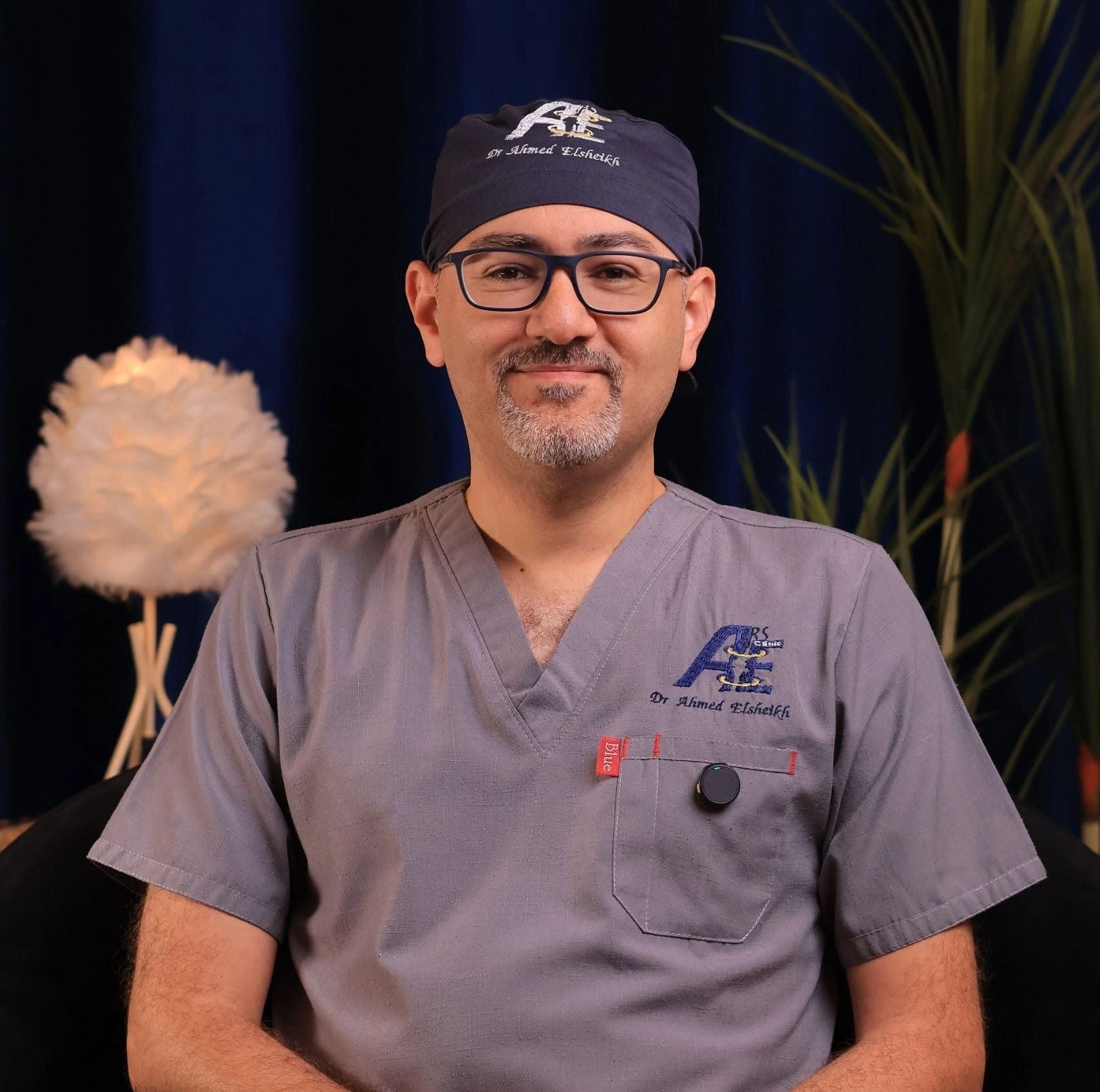

Published on: 2026-06-28 | Written by: Dr Ahmed El Sheikh Professor of Orthopedic Surgery

Corrective Surgery for Limb Deformities and Bowed Legs: Advanced Solutions for Restoring Alignment and Mobility
Corrective surgery for limb deformities and bowed legs is one of the most advanced orthopedic procedures available today. It plays a vital role in correcting bone deformities, restoring proper limb alignment, improving balance during walking, relieving pain, and enhancing overall mobility through the use of modern surgical techniques and advanced fixation systems.
What Is Corrective Surgery for Limb Deformities?
Dr. Ahmed El Sheikh emphasizes that corrective limb deformity surgery begins with a comprehensive evaluation of the bone alignment and the severity of the deformity, followed by selecting the most appropriate surgical technique to restore proper limb alignment while preserving joint function, muscle balance, and achieving the best possible long-term outcomes.
What Causes Limb Deformities and Bowed Legs?
Dr. Ahmed El Sheikh explains that limb deformities may result from congenital abnormalities, growth plate disorders, complications following fractures, vitamin and mineral deficiencies, or injuries affecting bone development in children, while confirming that early diagnosis significantly improves treatment options and outcomes.
What Symptoms Require Medical Evaluation?
Dr. Ahmed El Sheikh confirms that noticeable bowing of the legs or arms, limb length discrepancy, difficulty walking, persistent joint pain, early joint degeneration, or limitations in daily activities are all warning signs that require prompt orthopedic evaluation without unnecessary delay.
How Are Limb Deformities Diagnosed?
Dr. Ahmed El Sheikh points out that diagnosis involves much more than a physical examination, as it also includes standard and full-length standing X-rays, precise limb alignment measurements, and a thorough assessment of joint function and muscle balance in order to develop the most appropriate individualized treatment plan.
Treatment Options for Limb Deformities
Dr. Ahmed El Sheikh stresses that treatment varies according to the patient's condition, as mild deformities may only require observation or conservative management, while moderate and severe deformities often require surgical correction using advanced techniques to restore proper bone alignment and improve limb function.
The Latest Technologies Used in Deformity Correction
Dr. Ahmed El Sheikh explains that advances in orthopedic surgery have introduced highly sophisticated external fixation systems such as the Ilizarov Frame, Taylor Spatial Frame, and Ortho-SUV Frame, allowing surgeons to accurately correct complex deformities in multiple planes with gradual computerized adjustments.
The Role of Internal and External Fixation
Dr. Ahmed El Sheikh confirms that the choice between internal fixation using plates, screws, or interlocking intramedullary nails and external fixation depends on the patient's age, bone quality, and the type of deformity, while emphasizing that achieving stable bone fixation is essential for proper healing and long-term success.
Physical Therapy After Surgery
Dr. Ahmed El Sheikh points out that physical therapy is an essential part of recovery because it strengthens muscles, restores joint flexibility, improves mobility, reduces stiffness, and helps patients safely return to their normal daily activities.
Benefits of Corrective Limb Deformity Surgery
Dr. Ahmed El Sheikh stresses that corrective surgery provides numerous benefits, including improved bone alignment, pain relief, better walking mechanics, enhanced balance, reduced stress on the joints, and a lower risk of developing early osteoarthritis, ultimately improving the patient's quality of life.
Tips for a Successful Recovery
Dr. Ahmed El Sheikh explains that carefully following postoperative instructions, attending all physical therapy sessions, maintaining regular follow-up appointments, achieving a healthy body weight, and consuming a balanced diet rich in calcium, protein, and vitamin D are all essential factors that promote successful bone healing and optimal surgical outcomes.