
Published on: 2026-06-28 | Written by: Dr. Hossam Raslan, Vascular Consultant
Arterial and venous occlusion are among the most common vascular diseases and can lead to serious complications if they are not diagnosed and treated promptly. These conditions occur when blood flow is partially or completely blocked within the arteries or veins, reducing the delivery of oxygen and nutrients to tissues and organs. Thanks to remarkable advances in vascular surgery and endovascular interventions, treatment outcomes have significantly improved, offering patients better recovery and a lower risk of severe complications.
Dr. Hossam Raslan emphasizes that early diagnosis and timely intervention play a crucial role in preserving healthy circulation and reducing the risk of complications such as blood clots, tissue damage, or limb loss.
What Are Arterial and Venous Occlusions?
Arterial occlusion refers to the narrowing or blockage of arteries that carry oxygen-rich blood from the heart to different parts of the body. In contrast, venous occlusion occurs when blood flow returning from the body's tissues to the heart is obstructed, often leading to blood pooling or the formation of blood clots.
The severity of the condition depends on the location and extent of the blockage.
Causes of Arterial Occlusion
Several factors can contribute to arterial blockage, including:
Atherosclerosis caused by the buildup of cholesterol and fatty deposits.
Diabetes mellitus, which damages blood vessels over time.
High blood pressure (hypertension).
Smoking.
High cholesterol and triglyceride levels.
Obesity and physical inactivity.
Genetic predisposition.
Causes of Venous Occlusion
The most common causes include:
Deep vein thrombosis (DVT).
Prolonged immobility.
Varicose veins.
Pregnancy.
Obesity.
Inherited or acquired blood clotting disorders.
Dr. Hossam Raslan explains that identifying the underlying cause of the blockage is essential for selecting the most effective treatment and preventing recurrence.
Symptoms of Arterial Occlusion
Symptoms vary depending on the affected artery but commonly include:
Leg pain while walking that improves with rest (intermittent claudication).
Coldness in the affected limb.
Skin discoloration.
Weak or absent pulse in the foot.
Slow-healing wounds.
Foot ulcers.
Numbness or weakness in the affected limb.
Symptoms of Venous Occlusion
Common symptoms include:
Swelling of the leg or arm.
Pain or heaviness in the affected limb.
Redness or skin discoloration.
Warmth over the affected area.
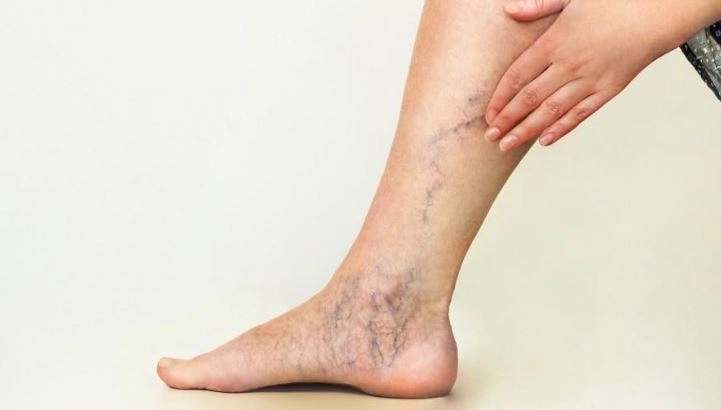
Prominent or enlarged veins.
In some cases, a blood clot may travel to the lungs, causing a pulmonary embolism, which requires immediate emergency medical attention.
How Are Arterial and Venous Occlusions Diagnosed?
Modern diagnostic techniques include:
Clinical Examination
A thorough evaluation of symptoms and blood circulation.
Doppler Ultrasound
One of the most important diagnostic tools for vascular diseases, allowing physicians to assess the speed and direction of blood flow through arteries and veins.
CT Angiography
Provides detailed images to identify the exact location and severity of the blockage.
Magnetic Resonance Angiography (MRA)
Used in selected cases to obtain highly detailed vascular images.
Diagnostic Angiography
This procedure may also be combined with treatment in certain patients.
Dr. Hossam Raslan emphasizes that an accurate diagnosis is the foundation for developing the most appropriate treatment strategy and achieving the best clinical outcomes.
Treatment Options for Arterial and Venous Occlusion
Treatment depends on the type and severity of the blockage and may include:
Medical Therapy
Such as:
Anticoagulants
Antiplatelet medications
Cholesterol-lowering drugs (statins)
Medications that improve blood circulation
Endovascular Intervention (Angioplasty)
A minimally invasive procedure using a balloon catheter to widen narrowed arteries. A vascular stent may also be placed to maintain proper blood flow.
Vascular Surgery
In severe cases or when minimally invasive treatment is not suitable, surgery may be required, including arterial bypass surgery or removal of the blockage.
Treatment of Venous Blood Clots
This may involve clot-dissolving medications or catheter-based interventions in selected patients.
Dr. Hossam Raslan explains that the choice of treatment depends on the severity of the blockage, the affected blood vessel, and the patient's overall medical condition.
Complications of Untreated Arterial and Venous Occlusion
Failure to treat arterial and venous occlusion can lead to serious complications, including:
Chronic foot ulcers
Gangrene
Limb amputation
Pulmonary embolism caused by migrating blood clots
Permanent tissue damage due to inadequate blood supply
Prompt diagnosis and treatment are essential to prevent these potentially life-threatening complications.
Tips to Prevent Arterial and Venous Occlusion
To maintain healthy blood vessels, it is recommended to:
Maintain good blood sugar control
Control blood pressure and cholesterol levels
Quit smoking
Exercise regularly
Maintain a healthy body weight
Drink adequate amounts of water
Avoid prolonged sitting or standing
Attend regular medical check-ups, especially for individuals with diabetes or hypertension
When Should You See a Doctor?
Seek immediate medical evaluation if you experience:
Severe leg pain during walking or even at rest
Sudden swelling in one limb
Blue, purple, or black discoloration of the skin
Extreme coldness in the foot or hand
Persistent wounds that fail to heal
Sudden shortness of breath accompanied by leg swelling, which may indicate a pulmonary embolism and requires emergency treatment.
Arterial and venous occlusion are serious vascular conditions that require early diagnosis and specialized treatment to prevent severe complications. Advances in endovascular therapy, vascular surgery, and anticoagulant medications have significantly improved treatment success and helped preserve limb function and overall quality of life.
Dr. Hossam Raslan emphasizes that early detection, regular medical follow-up, and effective management of risk factors such as diabetes, hypertension, high cholesterol, and smoking are the cornerstones of successful prevention and treatment.