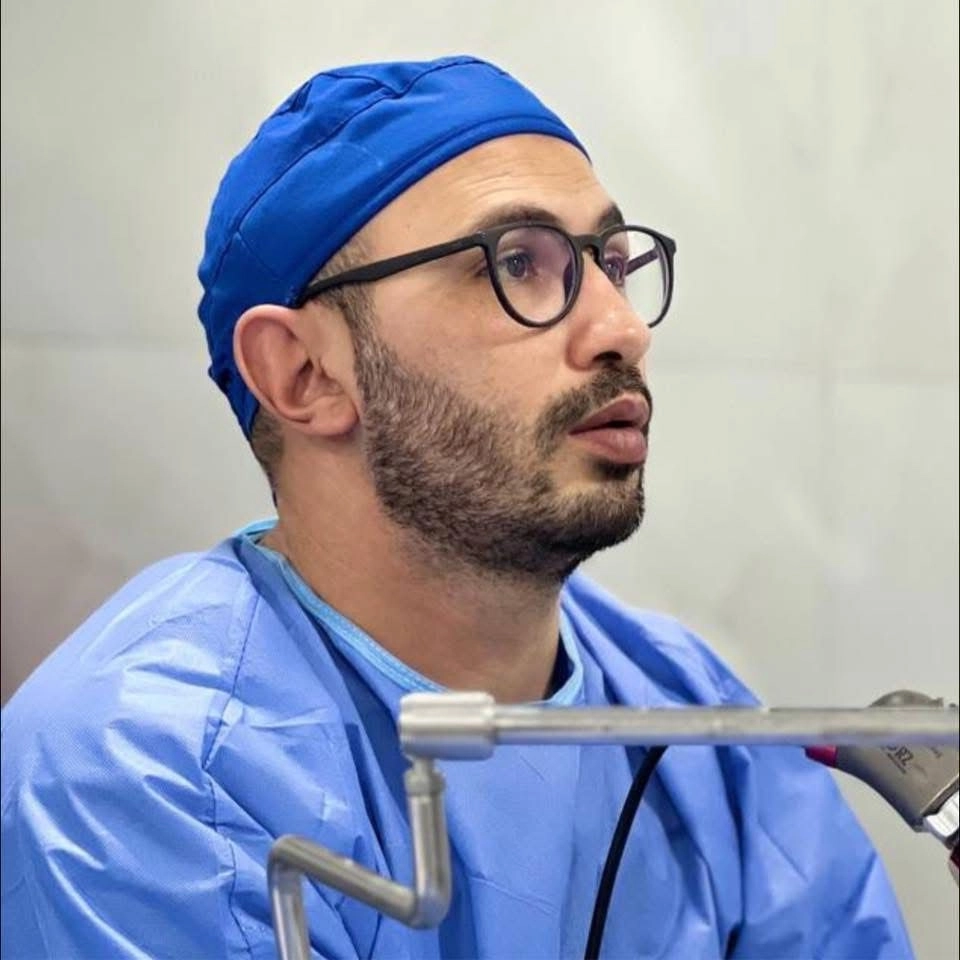
Published on: 2026-06-28 | Written by: Dr. Amr Khalifa Consultant of Otorhinolaryngology

The paranasal sinuses are an essential part of the respiratory system. These air-filled cavities within the facial bones and skull help humidify inhaled air, reduce the weight of the skull, and improve voice resonance. When the sinuses become inflamed or blocked, they can cause uncomfortable symptoms that interfere with breathing and daily activities. Thanks to significant advances in diagnosis and treatment, sinusitis can now be managed more effectively through medications or endoscopic sinus surgery, depending on the severity of the condition.
Dr. Amr Khalif emphasizes that early diagnosis and selecting the most appropriate treatment plan for each patient are essential for relieving symptoms, preventing recurrence, and avoiding potential complications.
What Is Sinusitis?
Sinusitis is the inflammation of the lining of the paranasal sinuses, causing swelling and blockage of the natural drainage pathways. As a result, mucus accumulates inside the sinuses, creating an environment where bacteria, viruses, or fungi may grow.
Sinusitis may be classified as:
Acute, lasting less than four weeks.
Subacute, lasting between four and twelve weeks.
Chronic, lasting more than twelve weeks.
Recurrent, when several episodes occur within one year.
Causes of Sinusitis
Several factors can contribute to the development of sinusitis, including:
Common colds and viral infections
Chronic allergic rhinitis
Deviated nasal septum
Nasal polyps
Bacterial or fungal infections
Continuous exposure to dust, smoke, and environmental pollutants
Weakened immune system in some individuals
Dr. Amr Khalif explains that identifying the underlying cause is the first and most important step toward developing an effective treatment plan and reducing the likelihood of recurrence.
Symptoms of Sinusitis
Symptoms vary depending on the severity and duration of the condition, but the most common include:
Nasal congestion and difficulty breathing
Persistent nasal blockage
Thick yellow or green nasal discharge
Facial pain or pressure around the eyes, forehead, and cheeks
Reduced or complete loss of the sense of smell
Bad breath
Persistent cough, especially at night
Fatigue and fever in some cases
How Is Sinusitis Diagnosed?
Diagnosis typically involves several modern diagnostic methods, including:
Clinical Examination
The physician evaluates the patient's symptoms and performs a thorough nasal examination.
Nasal Endoscopy
Nasal endoscopy is one of the most valuable diagnostic tools, allowing direct visualization of the nasal passages and sinuses to detect inflammation, nasal polyps, structural abnormalities, or blockage.
Computed Tomography (CT Scan)
A CT scan provides detailed images of the sinuses, helping determine the extent of inflammation and identify anatomical problems.
Allergy Testing
This may be recommended when chronic allergies are suspected to be the underlying cause.
Dr. Amr Khalif emphasizes that modern diagnostic techniques enable physicians to select the most appropriate treatment for every individual patient.
Medical Treatment for Sinusitis
Treatment depends on the underlying cause and may include:
Decongestants
To reduce swelling of the nasal lining and improve airflow.
Intranasal Corticosteroid Sprays
To decrease inflammation, particularly in patients with allergic rhinitis or chronic sinusitis.
Antibiotics
These are prescribed only when a bacterial infection is confirmed or strongly suspected.
Antihistamines
Helpful for patients whose symptoms are caused by allergies.
Saline Nasal Irrigation
Saline rinses help clear mucus, improve drainage, and reduce nasal congestion.
Endoscopic Sinus Surgery
When symptoms do not improve with medication or when structural abnormalities are present, endoscopic sinus surgery may be recommended. This advanced minimally invasive procedure is used to:
Open blocked sinus drainage pathways
Remove nasal polyps
Improve mucus drainage
Preserve healthy nasal tissue whenever possible
The procedure is performed without external incisions and offers less pain, faster recovery, and greater surgical precision compared with traditional surgery.
Dr. Amr Khalif emphasizes that endoscopic sinus surgery has become the preferred treatment for many patients with chronic or recurrent sinusitis.
Tips to Prevent Sinusitis
The risk of developing or experiencing recurrent sinus infections can be reduced by:
Treating nasal allergies early
Avoiding smoking, dust, and environmental pollutants
Using saline nasal rinses when needed
Drinking plenty of water
Maintaining clean indoor air
Managing common colds appropriately
When Should You See a Doctor?
Medical evaluation is recommended if you experience:
Symptoms lasting longer than 10 days
Repeated sinus infections throughout the year
Severe headache or swelling around the eyes
Persistent fever
Significant loss of smell or difficulty breathing
Sinusitis treatment has advanced considerably with the development of modern medications and endoscopic sinus surgery, allowing physicians to treat many cases more effectively while reducing the need for traditional open surgery. Dr. Amr Khalif emphasizes that early diagnosis, adherence to the prescribed treatment plan, and regular follow-up are the keys to relieving symptoms, improving quality of life, and preventing future episodes of sinusitis.