
Published on: 2026-06-25 | Written by: Dr. Youssef Ezz El Regal, IVF Consultant
Intracytoplasmic Sperm Injection (ICSI) is considered one of the greatest medical advancements in the field of infertility and delayed pregnancy treatment. It has helped millions of couples worldwide achieve their dream of parenthood after years of unsuccessful attempts. With continuous improvements in assisted reproductive technologies, ICSI success rates have become higher than ever, especially when accurate diagnosis and individualized treatment plans are applied.
Dr. Youssef Ezz El Regal emphasizes that ICSI has become one of the most effective methods for treating many causes of infertility in both men and women, and that careful monitoring throughout every stage of treatment plays a vital role in increasing the chances of success.
What Is ICSI?
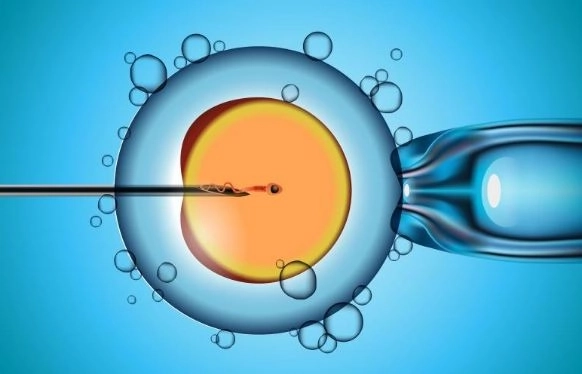
Intracytoplasmic Sperm Injection (ICSI) is an advanced assisted reproductive technique in which a single sperm is injected directly into a mature egg using highly specialized laboratory equipment. After fertilization, the resulting embryos are cultured and later transferred into the woman's uterus.
This technique has revolutionized infertility treatment, especially in cases where natural fertilization is difficult or impossible.
When Is ICSI Recommended?
There are several situations in which ICSI may be recommended, including:
Male Factor Infertility
Such as low sperm count, poor sperm motility, or abnormal sperm morphology.
Blocked Fallopian Tubes
When the fallopian tubes prevent natural fertilization from occurring.
Unexplained Infertility
In some couples, pregnancy does not occur despite normal test results and no obvious cause.
Endometriosis
This condition can negatively affect fertility and reduce the chances of natural conception.
Previous Failed Fertility Treatments
ICSI may be the most effective option after unsuccessful attempts with other fertility procedures.
Dr. Youssef Ezz El Regal explains that identifying the exact cause of infertility is the first step toward selecting the most appropriate treatment and achieving the best possible outcomes.
Steps of the ICSI Procedure
The ICSI process consists of several important stages:
Ovarian Stimulation
The woman receives hormonal medications to stimulate the ovaries and produce multiple mature eggs.
Ovulation Monitoring
The development of ovarian follicles is monitored using ultrasound scans and hormonal blood tests.
Egg Retrieval
Mature eggs are collected under light anesthesia using a specialized needle guided by ultrasound.
Sperm Collection
A semen sample is obtained and carefully prepared to select the healthiest sperm.
Fertilization by Microinjection
A single sperm is injected directly into each mature egg under a microscope.
Embryo Development
The embryos are monitored in the laboratory for several days to ensure healthy growth.
Embryo Transfer
Selected embryos are transferred into the uterus through a simple and generally painless procedure.
Dr. Youssef Ezz El Regal emphasizes that embryo quality and close monitoring during each stage are among the most important factors influencing treatment success.
What Is the Success Rate of ICSI?
The success rate of ICSI depends on several important factors, including:
The woman's age
Egg quality
Sperm quality
Uterine health
Medical team expertise
General health and lifestyle
The chances of success are typically higher when treatment begins early and underlying conditions are managed appropriately.
Advantages of ICSI
ICSI has become one of the most widely used infertility treatments because of its many benefits:
Treatment for Various Causes of Infertility
It can overcome many barriers that prevent natural conception.
Higher Fertilization Rates
Especially in cases of severe male infertility.
Selection of High-Quality Embryos
Improving the chances of a healthy pregnancy.
Embryo Freezing Options
Allowing embryos to be preserved for future treatment cycles.
Helping Couples Achieve Parenthood
Providing hope for couples who have struggled with infertility.
Tips Before Undergoing ICSI
To maximize the chances of success, patients are advised to:
Quit smoking
Maintain a healthy body weight
Follow a balanced and nutritious diet
Manage chronic medical conditions
Adhere closely to medical instructions
Dr. Youssef Ezz El Regal stresses that proper preparation before beginning treatment is essential for achieving optimal results.
Tips After Embryo Transfer
Following embryo transfer, patients should:
Take all prescribed medications as directed
Avoid strenuous physical activities
Maintain healthy nutrition
Drink adequate amounts of water
Attend all scheduled follow-up appointments
Is ICSI Safe?
ICSI is considered a highly safe and well-established medical procedure when performed in specialized fertility centers by experienced professionals. Advances in laboratory technology and reproductive medicine have significantly improved success rates while reducing complications.
Dr. Youssef Ezz El Regal emphasizes that individualized treatment plans and careful monitoring are key factors in maximizing the chances of pregnancy and a healthy birth.
Factors Affecting ICSI Success
Several factors influence the outcome of ICSI, including:
The woman's age
Ovarian reserve
Embryo quality
Uterine condition
Overall health of both partners
Adherence to treatment recommendations
Intracytoplasmic Sperm Injection (ICSI) is one of the most important modern technologies in the treatment of infertility and delayed pregnancy. It has provided hope to countless couples seeking to achieve their dream of parenthood. Thanks to continuous advancements in assisted reproductive techniques, success rates have improved significantly, particularly when infertility is diagnosed early and treatment is carefully planned.
For this reason, consulting an experienced fertility specialist and following a personalized treatment plan remain the foundation for achieving the best possible outcomes and a healthy, successful pregnancy. Throughout this journey, Dr. Youssef Ezz El Regal provides expert guidance and comprehensive fertility care to help couples maximize their chances of success.