
Published on: 2026-06-25 | Written by: Dr. Islam Abdel-Khaleq Consultant in Laparoscopic
Dr. Islam Abdel Khalek emphasizes that gastric bypass surgery is one of the most successful treatments for morbid obesity when the right patient is selected and proper postoperative follow-up is maintained.
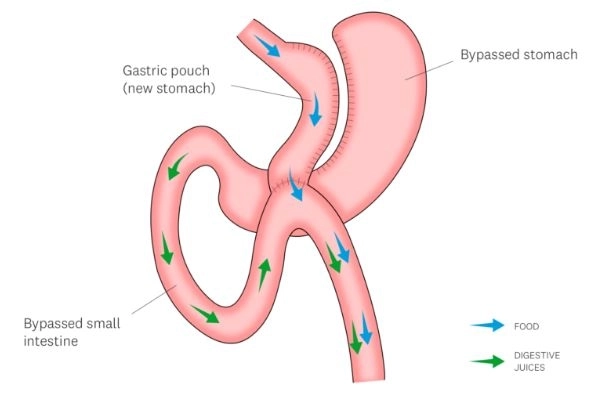
Gastric bypass is a surgical procedure in which a small stomach pouch is created and directly connected to the small intestine. This results in:
Reduced food intake
Decreased calorie absorption
Improved control of obesity-related diseases
Dr. Islam Abdel Khalek explains that the procedure does not only reduce eating capacity but also changes how the body absorbs food.
This is the traditional form of the procedure, used for many years and known for its effective long-term weight loss results.
A more modern variation characterized by:
Shorter operative time
Less surgical complexity
Effective and reliable weight loss outcomes
The procedure is typically recommended for patients with:
Morbid obesity (high BMI)
Failure of diet and exercise programs
Type 2 diabetes
Obesity-related complications such as hypertension and high cholesterol
Previous unsuccessful weight-loss procedures
Dr. Islam Abdel Khalek stresses that proper patient selection is the key factor for successful outcomes.
The procedure offers multiple important benefits:
Patients can lose a large percentage of their excess weight within months.
In some cases, blood sugar levels improve significantly soon after surgery.
Marked improvement in obesity-related metabolic conditions.
Increased mobility, energy, and self-confidence.
Sustained weight loss when combined with a healthy lifestyle.
The procedure is usually performed using laparoscopic (minimally invasive) surgery under general anesthesia. It involves:
Creating a small stomach pouch
Connecting it directly to the small intestine
Bypassing a portion of the digestive tract to reduce absorption
Dr. Islam Abdel Khalek emphasizes that laparoscopic surgery significantly reduces pain and speeds up recovery compared to open surgery.
Before surgery, patients typically undergo:
Comprehensive blood tests
Heart and chest evaluations
Nutritional assessment
Adjustment of certain medications if needed
A preoperative diet plan
Recovery usually follows several stages:
Walking within a few hours after surgery
Gradual transition from liquids to soft foods
Return to work within a short period
Progressive weight loss over several months
Dr. Islam Abdel Khalek stresses the importance of strict adherence to dietary instructions to ensure successful results.
Like any surgical procedure, gastric bypass may involve some risks, such as:
Nausea or vomiting
Vitamin deficiencies
Acid reflux in some cases
Rare surgical complications
However, these risks are significantly reduced with proper medical follow-up and care.
Follow a healthy, balanced diet
Take vitamins and supplements regularly
Exercise regularly
Attend routine medical follow-ups
Drink sufficient water daily
Dr. Islam Abdel Khalek emphasizes that successful outcomes depend on proper patient selection and strict adherence to medical instructions before and after surgery to achieve long-term results.