

Published on: 2026-06-25 | Written by: Dr. Tawfiq Abdel Salam Obstetrics, Gynecology Surgery
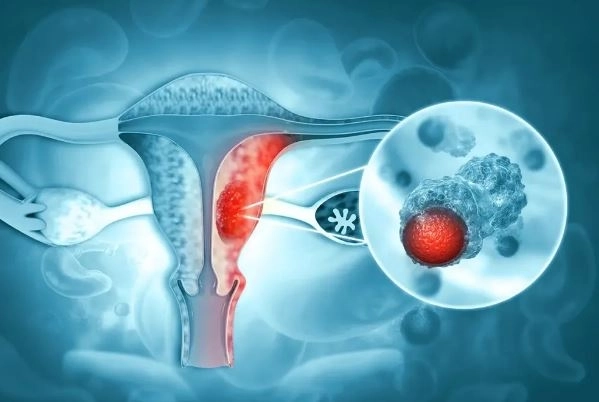
Dr. Tawfik Abdel Salam emphasizes that early diagnosis plays a crucial role in treatment success, reducing complications, and preserving women’s reproductive health and quality of life.
Gynecological tumors refer to abnormal growth of cells within the female reproductive system. These tumors may be:
Benign tumors (non-cancerous)
Malignant tumors (cancerous)
Symptoms and treatment options vary depending on the tumor type and location.
Dr. Tawfik Abdel Salam explains that many gynecological tumors are discovered early by chance during routine examinations, which significantly improves recovery rates.
These include:
Uterine fibroids
Endometrial cancer
Endometrial hyperplasia
Uterine fibroids are among the most common benign tumors in women.
These include:
Ovarian cysts
Benign ovarian tumors
Ovarian cancer
Ovarian tumors are often silent in early stages, making early detection extremely important.
These are often associated with Human Papillomavirus (HPV) infection and may start as precancerous changes before progressing to cervical cancer in some cases.
Several factors may contribute to the development of gynecological tumors, including:
Hormonal imbalances
Genetic predisposition
Obesity
Advanced age
Chronic infections
HPV infection
Unhealthy lifestyle habits
Dr. Tawfik Abdel Salam emphasizes that a healthy lifestyle and regular medical follow-up significantly reduce the risk of developing such conditions.
Symptoms vary depending on tumor type, but may include:
Abnormal uterine bleeding
Pelvic or lower abdominal pain
Menstrual irregularities
Persistent abdominal bloating
Pelvic pressure sensation
Infertility or delayed pregnancy
Unexplained weight loss in advanced cases
Diagnosis involves several important medical tools, such as:
To assess general symptoms and patient condition.
To evaluate the uterus and ovaries in detail.
To determine tumor size and extent of spread.
Blood tests used to monitor certain types of cancer.
A definitive test used to confirm the diagnosis.
Dr. Tawfik Abdel Salam stresses that biopsy is the most critical step in determining the exact tumor type and treatment plan.
Treatment depends on the tumor type, stage, and overall patient condition, and may include:
Used in some cases to regulate hormones or reduce tumor size.
Including:
Tumor removal
Hysterectomy (uterus removal)
Oophorectomy (ovary removal)
A modern minimally invasive approach characterized by less pain and faster recovery.
Used in malignant tumor cases to destroy cancer cells.
Targets cancer cells to reduce tumor spread.
Dr. Tawfik Abdel Salam explains that treatment selection depends on tumor stage, patient condition, and diagnostic results.
Higher cure rates
Reduced need for major surgery
Preservation of fertility in some cases
Simpler and faster treatment
Fewer complications
Medical consultation is recommended if the patient experiences:
Abnormal bleeding
Persistent pelvic pain
Unexplained abdominal swelling
Severe menstrual irregularities
Unexplained infertility
Dr. Tawfik Abdel Salam emphasizes that ignoring symptoms may lead to disease progression, making early evaluation essential.
Risk can be reduced through:
Regular medical checkups
Healthy diet
Maintaining ideal body weight
Avoiding smoking
HPV vaccination
Regular physical activity
Dr. Tawfik Abdel Salam emphasizes that early screening and continuous follow-up are the cornerstone of prevention and successful treatment, ensuring better protection of women’s health and quality of life.