
Published on: 2026-06-25 | Written by: Dr. Tawfiq Abdel Salam Obstetrics, Gynecology Surgery
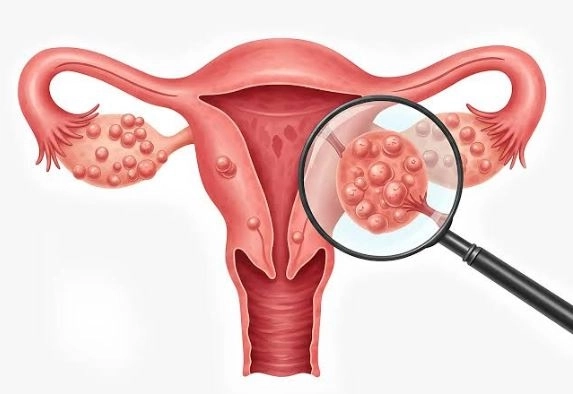
Dr. Tawfik Abdel Salam emphasizes that uterine and ovarian surgeries now rely heavily on precise surgical techniques and laparoscopy, which have greatly improved treatment outcomes and helped preserve reproductive health in many cases.
Uterine and ovarian surgeries include a wide range of procedures performed to diagnose or treat conditions affecting the female reproductive system, including the uterus, ovaries, and fallopian tubes.
These procedures may be performed using traditional open surgery or minimally invasive laparoscopic techniques, with laparoscopy being the most commonly used approach today due to its safety and precision.
These procedures are performed to treat various uterine conditions, such as:
Removal of uterine fibroids
Treatment of endometriosis
Hysterectomy in advanced cases
Management of abnormal uterine bleeding
Dr. Tawfik Abdel Salam explains that the choice of procedure depends on the patient’s condition and the severity of the disease.
Ovarian surgeries include procedures such as:
Ovarian cyst removal
Treatment of polycystic ovary syndrome (PCOS)
Ovarian tumor removal
Treatment of ovarian torsion
Laparoscopic surgery is one of the most important modern advancements in gynecological surgery. It is performed through small incisions using a high-definition camera and specialized instruments.
It offers reduced pain, faster recovery, shorter hospital stay, and better cosmetic results.
Dr. Tawfik Abdel Salam emphasizes that laparoscopy has become the first-choice approach in most gynecological surgeries due to its high precision and safety.
These surgeries are performed for several conditions, including:
Benign tumors that may cause bleeding, pain, or infertility.
Fluid-filled sacs that may affect ovulation or cause pain.
A condition that causes severe pain and infertility.
Persistent or heavy bleeding that does not respond to medical treatment.
Advanced cases that require surgical removal.
Severe lower abdominal pain.
Menstrual irregularities.
Abnormal uterine bleeding.
Infertility or delayed pregnancy.
Enlarged uterus or ovaries.
Pain during intercourse.
Dr. Tawfik Abdel Salam stresses the importance of early diagnosis to prevent disease progression and avoid more complex surgical interventions.
Diagnosis typically involves:
To assess symptoms and general condition.
To visualize the uterus and ovaries in detail.
To evaluate reproductive hormone levels.
To assess fallopian tube patency.
In some cases, minimally invasive surgery is used for precise diagnosis and treatment.
Modern surgical techniques offer several benefits:
Due to minimally invasive procedures.
Patients return to normal activities more quickly than with traditional surgery.
Advanced tools minimize blood loss during surgery.
Surgeons can preserve healthy tissue whenever possible.
Reduced infection rates and fewer postoperative problems.
Recovery time depends on the type of procedure, but generally:
Patients can move within hours after surgery.
Discharge often occurs within one to two days.
Return to daily activities is usually quick.
Heavy physical activity should be avoided for a short period.
Dr. Tawfik Abdel Salam emphasizes that following postoperative instructions is essential for a smooth recovery and successful outcome.
Yes, these surgeries are generally very safe when performed by experienced specialists, especially when using modern laparoscopic techniques, which significantly reduce complication rates.
Dr. Tawfik Abdel Salam emphasizes that early diagnosis and proper medical follow-up are key factors in achieving successful treatment outcomes and preserving women’s reproductive health and quality of life.