
Published on: 2026-06-25 | Written by: Dr. Mohamed Refaat, Consultant the Department
Laparoscopic gallbladder surgery is one of the most common and successful surgical procedures performed today. It has revolutionized the treatment of gallbladder diseases and gallstones compared to traditional open surgery. This advanced technique is performed through very small incisions using a high-definition camera and specialized surgical instruments, resulting in less pain, faster recovery, and a quicker return to normal daily activities.
Dr. Mohamed Refaat emphasizes that laparoscopic gallbladder surgery has become the gold standard for treating most gallbladder conditions because of its safety, precision, and excellent patient outcomes.
What Is the Gallbladder and What Is Its Function?
The gallbladder is a small organ located beneath the liver. Its primary function is to store bile produced by the liver and release it into the small intestine to aid in the digestion of fats.
Although the gallbladder plays a role in digestion, its removal generally does not significantly affect daily life, as the liver continues to produce bile normally.
What Causes Gallbladder Diseases?
Several factors can contribute to gallbladder disorders, including:
Gallstones
Gallstones are the most common gallbladder condition and develop when substances in bile crystallize and form stones inside the gallbladder.
Cholecystitis (Gallbladder Inflammation)
Inflammation often occurs when gallstones block the gallbladder outlet, causing pain and infection.
Gallbladder Polyps
Polyps or growths may develop inside the gallbladder and sometimes require monitoring or surgical removal.
Gallbladder Dysfunction
In some patients, the gallbladder loses its ability to contract effectively, leading to digestive symptoms and discomfort.
Dr. Mohamed Refaat explains that early diagnosis of gallbladder diseases helps prevent serious complications such as severe infections and bile duct obstruction.
Symptoms of Gallstones and Gallbladder Disease
Symptoms vary from one patient to another, but the most common include:
Severe pain in the upper right side of the abdomen.
Pain after eating fatty meals.
Nausea and vomiting.
Bloating and indigestion.
Pain radiating to the right shoulder or back.
Fever in cases of infection.
Yellowing of the skin and eyes (jaundice) when bile ducts become blocked.
Anyone experiencing these symptoms should seek medical evaluation to determine the most appropriate treatment plan.
When Is Laparoscopic Gallbladder Surgery Necessary?
Laparoscopic cholecystectomy is recommended in the following situations:
Symptomatic Gallstones
When gallstones cause recurrent pain or biliary colic attacks.
Acute or Chronic Cholecystitis
To prevent complications associated with repeated gallbladder inflammation.
Bile Duct Obstruction
In cases where gallstones block the normal flow of bile.
Gallstone-Related Pancreatitis
A serious condition that often requires prompt medical and surgical management.
Dr. Mohamed Refaat stresses that delaying treatment may increase the risk of complications and lead to more complex surgical interventions.
How Is Laparoscopic Gallbladder Surgery Performed?
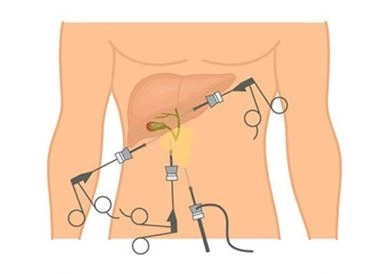
The procedure is usually performed under general anesthesia. The surgeon creates several small incisions in the abdominal wall through which the following are inserted:
A laparoscope equipped with a high-definition camera.
Specialized surgical instruments.
Advanced devices for dissection and bleeding control.
The gallbladder is then carefully separated and removed through one of the small incisions without the need for a large surgical cut as in traditional surgery.
The camera provides a magnified view of the internal organs on a monitor, allowing the surgeon to perform the procedure with exceptional precision and safety.
Advantages of Laparoscopic Gallbladder Surgery
Laparoscopic gallbladder removal offers numerous benefits that make it the preferred treatment option for both patients and surgeons:
Less Postoperative Pain
The small incisions result in significantly less discomfort compared to open surgery.
Faster Recovery
Most patients return to their normal activities within a few days.
Shorter Hospital Stay
Many patients are discharged on the same day or the day after surgery.
Lower Risk of Infection
Smaller surgical wounds reduce the chance of postoperative infections.
Better Cosmetic Results
The procedure leaves minimal scarring.
Reduced Blood Loss
Modern laparoscopic techniques help minimize bleeding during surgery.
Recovery After Laparoscopic Gallbladder Removal
Recovery following laparoscopic surgery is generally much quicker than recovery from traditional open procedures. Most patients can:
Walk within a few hours after surgery.
Gradually resume eating according to medical advice.
Return to work within a short period.
Resume normal daily activities within days or a few weeks, depending on their condition.
Dr. Mohamed Refaat recommends carefully following postoperative instructions to ensure smooth recovery and minimize potential complications.
Can You Live Normally Without a Gallbladder?
Yes. Most patients live completely normal lives after gallbladder removal. During the first few weeks after surgery, some patients may benefit from a balanced, low-fat diet while the digestive system adapts.
Over time, the majority of patients can return to their regular eating habits without significant difficulties.
Potential Complications of Laparoscopic Gallbladder Surgery
Although laparoscopic gallbladder surgery is considered highly safe, all surgical procedures carry some risks. Rare complications may include:
Bleeding.
Infection.
Injury to the bile ducts.
Bile leakage.
Anesthesia-related complications.
However, with experienced surgeons and modern surgical techniques, these risks remain very low.
Dr. Mohamed Refaat emphasizes that choosing a qualified surgeon and completing all necessary preoperative evaluations greatly contributes to achieving the best possible outcomes.
Tips for Preventing Gallstones
The risk of developing gallstones may be reduced by:
Maintaining a healthy body weight.
Exercising regularly.
Following a balanced, high-fiber diet.
Avoiding rapid weight loss.
Limiting saturated fats.
Properly controlling diabetes if present.
Laparoscopic gallbladder surgery is one of the safest and most effective procedures for treating gallstones, gallbladder inflammation, and related complications. The technique offers less pain, faster recovery, better cosmetic results, and fewer complications compared to traditional open surgery.
Early diagnosis and consultation with a specialized surgeon are essential for timely treatment and prevention of serious complications. With modern laparoscopic techniques and expert care from Dr. Mohamed Refaat, patients can achieve excellent surgical outcomes and return to their normal lives as quickly as possible.