

Published on: 2026-06-25 | Written by: Dr. Mahmoud Shalaby Consultant in Breast Oncology
Laparoscopic Gallbladder Removal and Its Importance in Treating Gallstones and Gallbladder Inflammation
Laparoscopic gallbladder removal is one of the most common and successful procedures in the field of general and minimally invasive surgery. Medical professionals emphasize that this modern technique has significantly improved treatment outcomes and reduced complications associated with traditional open surgery. Studies also stress that early intervention for gallbladder diseases helps prevent many health problems that may affect the digestive system and the patient's quality of life.
Dr. Mahmoud Shalaby, Consultant of General Surgery, Laparoscopic Surgery, and Surgical Oncology, emphasizes that laparoscopic gallbladder removal is a safe and effective procedure in most cases. He also stresses the importance of accurate diagnosis in determining the optimal timing for surgery and achieving the best treatment outcomes.
What Is the Gallbladder and What Is Its Function?
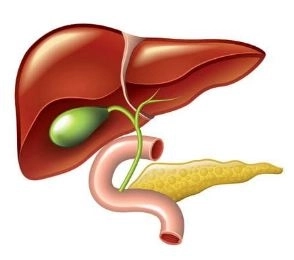
Doctors explain that the gallbladder is a small organ located directly beneath the liver. Specialists confirm that its primary function is to store bile produced by the liver, which helps digest dietary fats.
Medical references also emphasize that individuals can live a completely normal life after gallbladder removal, as the liver continues to produce bile to support the digestive process.
What Are the Reasons for Laparoscopic Gallbladder Removal?
Medical professionals emphasize that several conditions may require gallbladder removal. Specialists explain that gallstones are the most common reason for performing this procedure.
The main indications include:
Recurrent gallstones.
Acute or chronic gallbladder inflammation.
Bile duct obstruction.
Recurrent upper abdominal pain.
Complications caused by gallstones.
Gallstone-related pancreatitis.
Dr. Mahmoud Shalaby warns that neglecting gallbladder diseases may lead to serious complications. He also emphasizes that early medical evaluation helps determine the most appropriate treatment before the condition worsens.
Symptoms of Gallstones
Doctors explain that gallstone symptoms vary from one patient to another. Specialists confirm that some individuals may remain symptom-free for long periods.
Common symptoms include:
Severe pain in the upper abdomen.
Pain radiating to the right shoulder or back.
Nausea and vomiting.
Bloating after meals.
Indigestion.
Discomfort after consuming fatty foods.
Dr. Mahmoud Shalaby stresses the importance of consulting a physician when these symptoms recur. He also emphasizes that early diagnosis reduces the likelihood of complications requiring more complex treatment.
How Are Gallbladder Diseases Diagnosed?
Doctors confirm that accurate diagnosis is the essential first step before deciding on surgery. Specialists explain that a precise assessment of the gallbladder helps determine the most suitable treatment plan.
Diagnostic methods include:
Clinical examination.
Ultrasound imaging.
Liver function tests.
Various blood tests.
Specialized imaging studies when needed.
Medical recommendations also stress the importance of performing the necessary investigations to thoroughly evaluate the condition before surgery.
What Is Laparoscopic Gallbladder Removal?
Doctors explain that laparoscopic gallbladder removal is performed through several small incisions in the abdominal wall. Specialists confirm that the surgeon uses specialized instruments and a high-definition camera to perform the procedure with exceptional precision.
The procedure offers several advantages:
Less pain compared with traditional surgery.
Smaller surgical incisions.
Faster recovery.
Shorter hospital stay.
Quicker return to normal daily activities.
Dr. Mahmoud Shalaby emphasizes that laparoscopic surgery has revolutionized gallbladder procedures. He also stresses that selecting the appropriate surgical approach depends on the individual evaluation of each patient.
Advantages of Laparoscopic Gallbladder Removal
Doctors confirm that laparoscopy has become the preferred option for most gallbladder removal surgeries. Specialists explain that this technique provides numerous benefits for patients.
Key advantages include:
Reduced postoperative pain.
Faster wound healing.
Lower risk of infection.
Better cosmetic results.
Faster return to work and daily activities.
Reduced complications associated with large surgical incisions.
Dr. Mahmoud Shalaby points out that following postoperative instructions helps achieve the best recovery outcomes. He also emphasizes that regular follow-up appointments are important for monitoring the patient's health status.
Recovery After Laparoscopic Gallbladder Removal
Doctors explain that most patients can resume their normal daily activities within a relatively short period. Specialists confirm that recovery time varies depending on the patient's overall health condition.
Important postoperative recommendations include:
Taking prescribed medications as directed.
Gradually resuming food intake according to medical advice.
Drinking adequate amounts of water.
Avoiding strenuous physical activity during the first few days.