

Published on: 2026-06-25 | Written by: Dr. Abdel Aziz Gamal Abdel Nasser, Consultant Head and Neck Surgeon
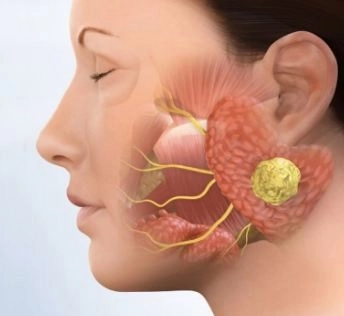
Salivary Gland Surgery and Its Importance in Treating Oral and Neck Disorders
Salivary gland surgery is considered one of the highly specialized surgical fields dedicated to diagnosing and treating diseases that affect the glands responsible for saliva production. Medical experts emphasize that the salivary glands play a vital role in keeping the mouth moist, supporting digestion, and protecting the teeth and oral tissues from various health problems. Studies also stress that early diagnosis of salivary gland disorders significantly improves treatment outcomes and reduces the risk of complications.
Dr. Abdel Aziz Gamal Abdel Nasser, Consultant of Salivary Gland Surgery, emphasizes that any persistent swelling or pain in the salivary gland region requires prompt medical evaluation. He also stresses that ignoring symptoms may lead to worsening of the condition and impairment of gland function over time.
What Are the Salivary Glands?
Doctors explain that the salivary glands are responsible for producing saliva, which helps keep the mouth moist and facilitates swallowing and digestion. Specialists confirm that the major salivary glands include the parotid gland, submandibular gland, and sublingual gland, in addition to numerous minor salivary glands distributed throughout the oral cavity.
Dr. Abdel Aziz Gamal Abdel Nasser stresses that maintaining healthy salivary glands is essential for preserving oral health, dental health, and proper digestive function. He also emphasizes that any disorder affecting these glands can significantly impact a patient’s quality of life.
Common Salivary Gland Disorders
Medical professionals confirm that several diseases can affect the salivary glands. Specialists explain that while some conditions can be managed medically, others may require surgical intervention.
These conditions include:
Acute and chronic salivary gland infections.
Salivary gland stones.
Benign salivary gland tumors.
Malignant salivary gland tumors.
Chronic salivary duct obstructions.
Enlargement of the salivary glands.
Cysts and fluid-filled lesions within the glands.
Dr. Abdel Aziz Gamal Abdel Nasser points out that early diagnosis of these conditions helps determine the most appropriate treatment and reduces the likelihood of complications. He also emphasizes that regular medical follow-up is a crucial component of successful treatment.
Symptoms of Salivary Gland Disorders
Doctors explain that symptoms vary depending on the underlying condition. Specialists emphasize that certain symptoms require immediate medical attention.
Common symptoms include:
Swelling beneath the jaw or in front of the ear.
Pain while eating.
Persistent dry mouth.
Difficulty swallowing.
Abnormal discharge from the salivary ducts.
Recurrent oral infections.
A lump or mass in the gland region.
Dr. Abdel Aziz Gamal Abdel Nasser stresses the importance of not ignoring these symptoms. He also emphasizes that early intervention helps protect gland function and improves recovery outcomes.
Salivary Gland Stones
Salivary gland stones are among the most common disorders affecting the normal flow of saliva. Doctors explain that these stones can block the salivary ducts, causing recurrent swelling and pain, especially during meals.
Specialists confirm that treatment depends on the size and location of the stone. In some cases, surgical intervention may be required to remove the stone and restore normal gland function.
Salivary Gland Tumors
Doctors explain that salivary gland tumors may be either benign or malignant. Specialists emphasize that early diagnosis is essential for determining the nature of the tumor and selecting the most appropriate treatment plan.
Symptoms that require medical evaluation include:
A progressively enlarging mass.
Persistent pain in the gland area.
Weakness or impairment of certain facial muscles.
Persistent swelling that does not improve with medication.
Dr. Abdel Aziz Gamal Abdel Nasser points out that early detection of tumors greatly improves treatment outcomes. He also stresses the importance of undergoing the necessary diagnostic tests to accurately determine the nature of the tumor.