

Published on: 2026-06-25 | Written by: Dr Abdul Rahman Abdullah General Internal Medicine
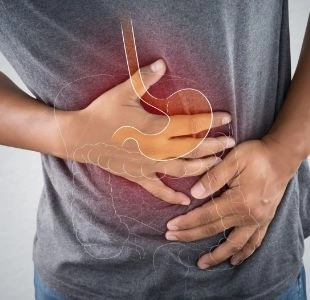
Treatment of Digestive System and Colon Disorders and the Importance of Early Diagnosis
Digestive system and colon disorders are among the most common health problems affecting people of all ages. Medical experts emphasize that these conditions can significantly impact a patient's quality of life if they are not properly diagnosed and treated. Studies also stress that early diagnosis helps identify the underlying cause of symptoms and allows for the development of an effective treatment plan that reduces complications and improves overall health.
Dr. Abdelrahman Abdullah, Specialist in Internal Medicine, emphasizes that many patients suffer from digestive symptoms for long periods without receiving proper medical evaluation. He stresses the importance of consulting a physician whenever symptoms persist or recur frequently.
What Are Digestive System and Colon Disorders?
Medical professionals explain that digestive disorders include a wide range of conditions affecting the stomach, intestines, colon, and esophagus. Specialists confirm that these disorders may be temporary or chronic depending on the underlying cause and severity of the condition.
Dr. Abdelrahman Abdullah stresses that digestive disorders are not limited to pain alone. He explains that they may involve various symptoms that require accurate diagnosis to determine the true cause of the problem.
Symptoms of Digestive and Colon Disorders
Doctors emphasize that symptoms vary from one patient to another depending on the specific condition. Specialists explain that the most common symptoms include:
Recurrent stomach pain.
Bloating and excessive gas.
Heartburn and acid reflux.
Indigestion.
Chronic constipation.
Frequent diarrhea.
Colon spasms and abdominal cramps.
Discomfort after eating.
Nausea or vomiting in some cases.
Dr. Abdelrahman Abdullah warns that persistent symptoms may indicate an underlying medical condition requiring specialized evaluation. He also emphasizes that ignoring symptoms can lead to worsening health problems over time.
Causes of Digestive System and Colon Disorders
Medical experts explain that numerous factors can contribute to digestive and colon disorders. Specialists confirm that identifying the underlying cause is the first and most important step toward successful treatment.
Common causes include:
Stress and psychological pressure.
Unhealthy eating habits.
Excessive consumption of fatty foods.
Frequent intake of fast food.
Certain bacterial or viral infections.
Irritable bowel syndrome (IBS).
Gastroesophageal reflux disease (GERD).
Gastric and intestinal inflammation.
Dr. Abdelrahman Abdullah stresses that determining the exact cause of symptoms helps physicians select the most effective treatment plan and prevent recurrence.
Diagnosis of Digestive System and Colon Disorders
Doctors emphasize that accurate diagnosis is the cornerstone of successful treatment for digestive diseases. Specialists explain that diagnosis begins with a detailed medical history and a comprehensive physical examination.
Diagnostic methods may include:
Clinical examination.
Laboratory tests.
Stool analysis when necessary.
Diagnostic imaging studies.
Endoscopic procedures in selected cases.
Assessment of dietary habits and lifestyle factors.
Dr. Abdelrahman Abdullah emphasizes that the choice of diagnostic tests depends on the patient's symptoms and overall health condition. He also stresses the importance of avoiding self-medication before obtaining a proper diagnosis.
Treatment of Irritable Bowel Syndrome (IBS)
Medical professionals explain that IBS is one of the most common digestive disorders. Specialists confirm that stress and unhealthy eating habits can worsen symptoms.
Treatment may include:
Maintaining regular meal schedules.
Avoiding foods that trigger symptoms.
Reducing stress and anxiety.
Taking prescribed medications.
Engaging in regular physical activity.
Doctors emphasize that adherence to the treatment plan can significantly reduce IBS flare-ups and improve quality of life.
Treatment of Heartburn and Acid Reflux
Medical experts confirm that heartburn and acid reflux are common conditions affecting many individuals. Specialists explain that untreated reflux disease may lead to complications involving the esophagus over time.
Treatment strategies include:
Avoiding spicy and fatty foods.
Refraining from lying down immediately after meals.
Maintaining a healthy body weight.
Taking prescribed medications as directed.
Doctors stress that regular medical follow-up helps control symptoms and prevent recurrence.
Treatment of Chronic Constipation and Diarrhea
Medical professionals explain that chronic constipation and diarrhea may be symptoms of underlying conditions requiring thorough evaluation. Specialists emphasize that effective treatment depends on identifying and addressing the root cause.
Treatment approaches may include:
Increasing fluid intake.
Improving dietary habits.
Consuming adequate dietary fiber.
Treating the underlying medical condition.
Using appropriate medications under medical supervision.
Dr. Abdelrahman Abdullah emphasizes that accurate diagnosis is the key to successful treatment. He also stresses the importance of seeking medical advice if symptoms persist for extended periods.
Tips for Preventing Digestive and Colon Disorders
Doctors emphasize that adopting a healthy lifestyle can significantly reduce the risk of many digestive diseases. Specialists explain that prevention is often more effective than treatment.
Important preventive measures include:
Following a balanced diet.
Drinking sufficient amounts of water.
Limiting fatty foods and fast food consumption.
Exercising regularly.
Getting adequate sleep.
Managing stress effectively.
Undergoing routine medical checkups when necessary.