
Published on: 2026-06-25 | Written by: Dr. Hesham Saad Al-Shakhabi Obstetrics Specialist
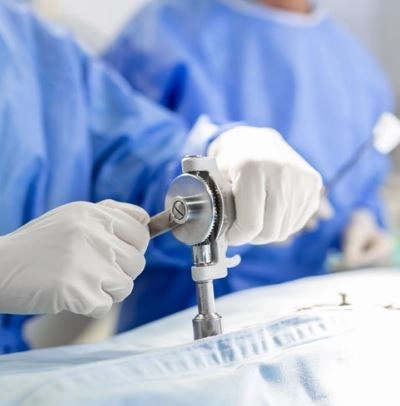
Gynecological laparoscopic surgery is considered one of the most significant advancements in the field of obstetrics and gynecology. It has greatly improved surgical outcomes, reduced complications, minimized postoperative pain, and shortened recovery times. Today, laparoscopy has become the preferred treatment option for many gynecological conditions that previously required major open surgery, allowing women to return to their normal lives more quickly and comfortably.
Dr. Hesham Saad El-Shekheby emphasizes that gynecological laparoscopic surgery has become one of the safest and most accurate methods for diagnosing and treating a wide range of gynecological disorders, thanks to continuous advancements in medical technology and surgical techniques.
What Is Gynecological Laparoscopic Surgery?
Gynecological laparoscopy is a minimally invasive surgical procedure that uses a small camera and specialized surgical instruments inserted through tiny incisions in the abdomen or through the uterus. This technique allows physicians to diagnose and treat numerous gynecological conditions without the need for large surgical incisions.
The laparoscope provides a magnified and highly detailed view of the pelvic organs, enabling surgeons to perform procedures with exceptional precision.
Types of Gynecological Endoscopy
Laparoscopy
This procedure is used to examine and treat pelvic organs, including:
The uterus
The ovaries
The fallopian tubes
The pelvic cavity
The laparoscope is inserted through small abdominal incisions, providing access to the reproductive organs with minimal tissue damage.
Hysteroscopy
Hysteroscopy is used to examine the inside of the uterus and diagnose or treat various uterine conditions without external surgical incisions.
Dr. Hesham Saad El-Shekheby explains that the choice between laparoscopy and hysteroscopy depends on the patient's symptoms, diagnosis, and treatment goals.
Conditions Treated with Gynecological Laparoscopic Surgery
Gynecological endoscopic procedures are widely used in the diagnosis and treatment of numerous conditions, including:
Ovarian Cysts
Laparoscopy allows surgeons to remove ovarian cysts accurately while preserving as much healthy ovarian tissue as possible.
Endometriosis
Endometriosis is one of the leading causes of chronic pelvic pain and infertility. Laparoscopy is considered the gold standard for both diagnosing and treating this condition.
Uterine Fibroids
Many uterine fibroids can be removed using minimally invasive laparoscopic techniques instead of traditional open surgery.
Pelvic Adhesions
Laparoscopy can effectively release pelvic adhesions that may cause chronic pain or fertility problems.
Infertility and Delayed Pregnancy
Laparoscopic procedures help evaluate the uterus and fallopian tubes and identify underlying causes of infertility.
Ectopic Pregnancy
Laparoscopy is frequently used to diagnose and manage ectopic pregnancies safely and effectively.
Hysterectomy and Oophorectomy
In selected cases, removal of the uterus or ovaries can be performed laparoscopically with excellent outcomes.
Dr. Hesham Saad El-Shekheby highlights that early intervention using minimally invasive techniques can reduce complications and improve fertility outcomes for many women.
Advantages of Gynecological Laparoscopic Surgery
Laparoscopic surgery offers several important benefits compared to traditional open procedures:
Smaller Incisions
Only tiny surgical openings are required, resulting in less tissue trauma.
Less Postoperative Pain
Most patients experience significantly less pain after laparoscopic surgery.
Faster Recovery
Recovery is generally much quicker, allowing patients to return to daily activities sooner.
Reduced Blood Loss
Modern laparoscopic techniques help minimize bleeding during surgery.
Lower Risk of Infection
Smaller incisions reduce the likelihood of wound infections and related complications.
Better Cosmetic Results
Laparoscopy leaves minimal scarring compared to traditional surgery.
How to Prepare for Gynecological Laparoscopy
Before the procedure, patients may be asked to:
Undergo blood tests.
Have a pelvic ultrasound examination.
Fast for several hours before surgery.
Review current medications with their physician.
Complete a general health assessment.
Dr. Hesham Saad El-Shekheby stresses the importance of following all preoperative instructions carefully to ensure optimal surgical outcomes and reduce potential risks.
What Happens During the Procedure?
Gynecological laparoscopy is typically performed under general anesthesia. The surgeon inserts a laparoscope and specialized instruments through small incisions and proceeds with diagnosis or treatment depending on the patient's condition.
The camera transmits high-definition images to a monitor, providing a clear and magnified view that allows for highly precise surgical intervention.
Recovery After Laparoscopic Surgery
One of the major advantages of laparoscopic surgery is its rapid recovery period. Most patients can:
Walk within a few hours after surgery.
Return home the same day or the following day.
Resume normal daily activities gradually within a short period.
Return to work sooner than after traditional open surgery.
Is Gynecological Laparoscopic Surgery Safe?
Gynecological laparoscopic surgery is considered a highly safe and effective procedure when performed by an experienced and qualified specialist. Success rates are very high for many gynecological conditions.
Dr. Hesham Saad El-Shekheby notes that advances in laparoscopic technology have significantly improved surgical success rates while reducing complications, making minimally invasive surgery the preferred treatment option for many women's health conditions.
Gynecological laparoscopic surgery represents a major breakthrough in the diagnosis and treatment of gynecological diseases. It offers superior precision, less pain, shorter hospital stays, and faster recovery compared to conventional open surgery. These procedures are widely used to treat ovarian cysts, endometriosis, uterine fibroids, pelvic adhesions, infertility, and ectopic pregnancies. Consulting an experienced specialist and choosing the appropriate time for laparoscopic intervention can significantly improve treatment outcomes, preserve reproductive health, and enhance overall quality of life.
Throughout the treatment journey, Dr. Hesham Saad El-Shekheby provides specialized expertise in gynecological endoscopic procedures, helping patients receive advanced, safe, and effective care tailored to their individual needs.