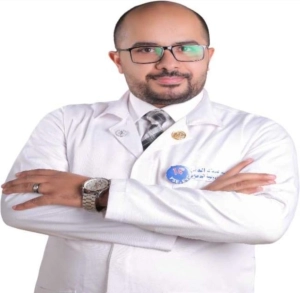

Published on: 2026-06-21 | Written by: Dr. Yasser Yahya, Vascular Surgery Consultant
Treating Varicose Veins with Laser, Radiofrequency, and CLaCS: Modern Solutions for Healthier and More Beautiful Legs
Varicose veins are among the most common vascular conditions affecting both men and women. They occur as a result of weakened or damaged vein valves, leading to blood pooling inside the veins and causing them to appear enlarged and twisted beneath the skin. This condition may be accompanied by pain, heaviness, swelling, and a negative impact on the appearance of the legs.
Dr. Yasser Yehia confirms that early diagnosis of varicose veins plays a significant role in preventing complications and achieving better treatment outcomes using the latest minimally invasive techniques.
What Are Varicose Veins?
Dr. Yasser Yehia explains that varicose veins are abnormal enlargements of the leg veins caused by weakened venous valves, leading to blood reflux and accumulation inside the veins, making them visibly appear blue or purple beneath the skin.
Causes of Varicose Veins
Dr. Yasser Yehia emphasizes that several factors contribute to the development of varicose veins, including prolonged standing, obesity, pregnancy, aging, genetic predisposition, and a lack of physical activity.
Symptoms of Varicose Veins
Dr. Yasser Yehia points out that the symptoms of varicose veins extend beyond their visible appearance and may include leg heaviness, pain, ankle swelling, itching, nighttime cramps, and skin discoloration in advanced cases.
When Should You Visit a Doctor?
Dr. Yasser Yehia explains that the appearance of prominent veins accompanied by pain, swelling, or persistent leg fatigue requires consultation with a vascular specialist to evaluate the condition and determine the most appropriate treatment plan.
Diagnosis of Varicose Veins
Dr. Yasser Yehia confirms that diagnosing varicose veins depends on a thorough clinical examination and a duplex ultrasound scan, which helps identify the affected veins and accurately assess the function of the venous valves.
Laser Treatment for Varicose Veins
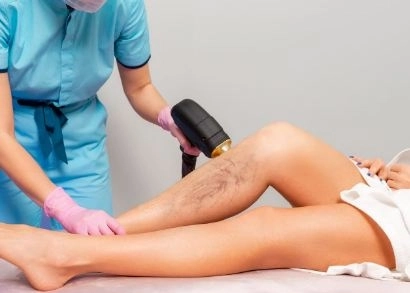
Dr. Yasser Yehia explains that laser treatment for varicose veins involves inserting a fine laser fiber into the affected vein to seal it using thermal energy, redirecting blood flow to healthy veins without the need for conventional surgery.
Dr. Yasser Yehia emphasizes that laser treatment offers several advantages, including a quick procedure, minimal discomfort, rapid recovery, and the ability to return to normal daily activities within a short period.
Radiofrequency Treatment for Varicose Veins
Dr. Yasser Yehia explains that radiofrequency ablation uses controlled thermal energy to close the affected vein from the inside and is considered one of the safest and most effective techniques for treating medium and large varicose veins.
CLaCS Treatment for Varicose Veins
Dr. Yasser Yehia points out that the CLaCS technique combines injection therapy, cooling technology, and transdermal laser treatment, helping to treat spider veins and small varicose veins with high precision while minimizing pain and bruising.
Advantages of Modern Varicose Vein Treatments
Dr. Yasser Yehia emphasizes that laser, radiofrequency, and CLaCS treatments offer several benefits compared to traditional surgery, including:
No need for large surgical incisions.
Reduced post-procedure discomfort.
Faster recovery and return to daily activities.
Lower risk of complications.
Better cosmetic outcomes.
Procedures performed under local anesthesia.
Tips for Preventing Varicose Veins
Dr. Yasser Yehia explains that adopting healthy lifestyle habits can help reduce the risk of developing varicose veins, such as exercising regularly, maintaining a healthy weight, avoiding prolonged standing or sitting, elevating the legs during rest, and wearing compression stockings when needed.
Can Varicose Veins Return?
Dr. Yasser Yehia confirms that following medical advice after treatment, attending regular follow-up visits, and making lifestyle changes can help reduce the risk of developing new varicose veins and maintain treatment results for as long as possible.