

Published on: 2026-06-18 | Written by: Dr. Ahmed Kamel, Specialist in Cardiology
Dr. Ahmed Kamel, a specialist in cardiology and coronary artery diseases, emphasizes that early detection of coronary artery disease and adherence to appropriate treatment play a crucial role in preventing complications and improving patients’ quality of life.
ــــــــــــــــــــــــــــــــــــــــــــــــــــــــــــــــــــــــــــــــــــــــــــــ
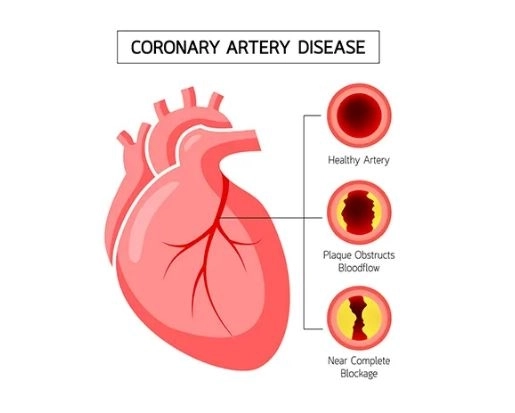
Coronary artery disease is a condition that develops when fatty deposits, cholesterol, and other substances accumulate on the walls of the coronary arteries, forming plaques that narrow the arteries and restrict blood flow to the heart muscle.
Dr. Ahmed Kamel explains that reduced blood flow to the heart can cause chest pain, known as angina, and may progress to a heart attack if a coronary artery becomes completely blocked.
ــــــــــــــــــــــــــــــــــــــــــــــــــــــــــــــــــــــــــــــــــــــــــــــ
Several factors increase the risk of developing coronary artery disease, including:
High blood pressure
High cholesterol and triglyceride levels
Diabetes mellitus
Smoking
Obesity and overweight
Physical inactivity
Chronic stress and psychological pressure
Family history of heart disease
Advancing age
Dr. Ahmed Kamel emphasizes that controlling these risk factors and adopting a healthier lifestyle can significantly reduce the likelihood of developing coronary artery disease.
ــــــــــــــــــــــــــــــــــــــــــــــــــــــــــــــــــــــــــــــــــــــــــــــ
Symptoms may not appear during the early stages of the disease. However, as the condition progresses, patients may experience:
Chest pain or pressure
Shortness of breath
Persistent fatigue
Pain radiating to the arm, shoulder, or jaw
Rapid or irregular heartbeat
Dizziness or fainting in some cases
Dr. Ahmed Kamel notes that symptoms vary from person to person and that some patients, especially those with diabetes, may not experience typical warning signs.
ــــــــــــــــــــــــــــــــــــــــــــــــــــــــــــــــــــــــــــــــــــــــــــــ
Immediate medical attention is required if any of the following symptoms occur:
Severe chest pain lasting several minutes
Significant shortness of breath
Sudden cold sweating
Pain spreading to the left arm or jaw
Loss of consciousness or severe dizziness
Dr. Ahmed Kamel emphasizes that rapid medical intervention when these symptoms occur can save lives and reduce damage to the heart muscle.
ــــــــــــــــــــــــــــــــــــــــــــــــــــــــــــــــــــــــــــــــــــــــــــــ
Diagnosis typically involves several tests and evaluations, including:
Reviewing medical and family history
Physical examination
Measuring blood pressure, cholesterol, and blood glucose levels
Electrocardiogram (ECG)
Exercise stress testing
Echocardiography
Coronary CT angiography
Diagnostic cardiac catheterization
Dr. Ahmed Kamel explains that selecting the appropriate diagnostic tests depends on the patient’s symptoms, risk factors, and overall health condition.
ــــــــــــــــــــــــــــــــــــــــــــــــــــــــــــــــــــــــــــــــــــــــــــــ
Treatment depends on the severity of the disease and the degree of arterial blockage and may include:
Medications are used to control risk factors, improve blood flow, and reduce the risk of heart attacks.
Quitting smoking
Following a heart-healthy diet low in saturated fats and salt
Exercising regularly
Maintaining a healthy weight
Controlling blood pressure and blood sugar levels
These procedures help open narrowed or blocked arteries and restore blood flow to the heart.
This surgery may be necessary in advanced cases or when multiple blockages are present.
Dr. Ahmed Kamel emphasizes that adherence to the prescribed treatment plan and regular follow-up visits help reduce complications and improve heart function.
ــــــــــــــــــــــــــــــــــــــــــــــــــــــــــــــــــــــــــــــــــــــــــــــ
Stop smoking
Eat a balanced diet rich in fruits and vegetables
Exercise regularly
Maintain a healthy body weight
Undergo regular medical check-ups
Control blood sugar, cholesterol, and blood pressure levels
Manage stress effectively
ــــــــــــــــــــــــــــــــــــــــــــــــــــــــــــــــــــــــــــــــــــــــــــــ
You should consult a doctor if you experience recurrent chest pain, shortness of breath, or unexplained fatigue, especially if you have risk factors such as diabetes, high blood pressure, or a family history of heart disease.
In conclusion, Dr. Ahmed Kamel confirms that coronary artery disease can be effectively prevented and managed through early diagnosis, adherence to treatment, and a healthy lifestyle, helping protect the heart and reduce the risk of serious complications.