

Published on: 2026-06-18 | Written by: Dr. Ahmed Kamel, Specialist in Cardiology
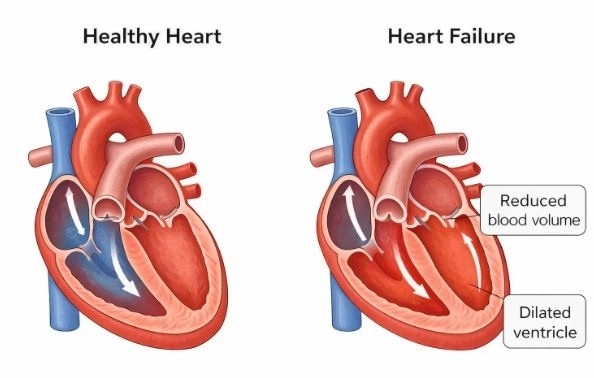
Dr. Ahmed Kamel, a specialist in cardiology and coronary artery diseases, emphasizes that heart failure does not mean that the heart has stopped working. Rather, it refers to the heart's reduced ability to pump blood effectively enough to meet the body's needs.
ــــــــــــــــــــــــــــــــــــــــــــــــــــــــــــــــــــــــــــــــــــــــــــــ
Heart failure is a condition in which the heart muscle cannot pump enough blood and oxygen to meet the body's requirements. As a result, fluid may accumulate in the lungs or lower limbs, leading to various health complications.
Dr. Ahmed Kamel explains that heart failure may develop gradually over several years or appear suddenly in some cases due to acute cardiac conditions.
ــــــــــــــــــــــــــــــــــــــــــــــــــــــــــــــــــــــــــــــــــــــــــــــ
Several conditions and risk factors can lead to heart failure, including:
Coronary artery disease
Chronic high blood pressure
Heart attacks
Cardiomyopathy
Heart valve disorders
Cardiac arrhythmias
Congenital heart defects
Diabetes and obesity
Dr. Ahmed Kamel confirms that controlling risk factors such as hypertension and diabetes plays a major role in preventing heart failure.
ــــــــــــــــــــــــــــــــــــــــــــــــــــــــــــــــــــــــــــــــــــــــــــــ
Symptoms vary depending on the severity of the condition and may include:
Shortness of breath, especially during physical activity or when lying down
Persistent fatigue and exhaustion
Swelling of the feet and ankles
Rapid weight gain due to fluid retention
Persistent cough, especially at night
Rapid or irregular heartbeat
Difficulty performing daily activities
Dr. Ahmed Kamel notes that ignoring these symptoms may worsen the condition and increase the risk of complications.
ــــــــــــــــــــــــــــــــــــــــــــــــــــــــــــــــــــــــــــــــــــــــــــــ
Diagnosis involves several steps and tests, including:
Medical history review
Physical examination
Electrocardiogram (ECG)
Echocardiography (heart ultrasound)
Chest X-ray
Blood tests
Exercise stress testing in some cases
Dr. Ahmed Kamel emphasizes that echocardiography is one of the most important tools for evaluating heart function and determining the severity of heart failure.
ــــــــــــــــــــــــــــــــــــــــــــــــــــــــــــــــــــــــــــــــــــــــــــــ
Treatment depends on the underlying cause and severity of the condition and may include:
Medications help improve heart function, reduce fluid retention, and control symptoms.
Reducing salt intake
Engaging in appropriate physical activity
Quitting smoking
Maintaining a healthy weight
Taking medications as prescribed and attending regular follow-up appointments
Some patients may require pacemakers or other advanced therapeutic procedures depending on their condition.
Dr. Ahmed Kamel confirms that adherence to the treatment plan and regular medical follow-up significantly improve quality of life and reduce hospital admissions.
ــــــــــــــــــــــــــــــــــــــــــــــــــــــــــــــــــــــــــــــــــــــــــــــ
Without proper treatment or regular follow-up, serious complications may occur, including:
Severe cardiac arrhythmias
Fluid buildup in the lungs
Kidney failure
Damage to other organs due to reduced blood supply
Increased risk of blood clots
Dr. Ahmed Kamel explains that early detection is key to reducing these complications.
ــــــــــــــــــــــــــــــــــــــــــــــــــــــــــــــــــــــــــــــــــــــــــــــ
Take medications exactly as prescribed
Monitor your weight daily to detect fluid retention
Limit salt intake
Exercise according to your doctor’s recommendations
Get adequate rest
Attend regular medical check-ups
ــــــــــــــــــــــــــــــــــــــــــــــــــــــــــــــــــــــــــــــــــــــــــــــ
Seek immediate medical attention if you experience severe shortness of breath, sudden weight gain, swelling in the legs, or chest pain.
In conclusion, Dr. Ahmed Kamel emphasizes that heart failure is a manageable condition when diagnosed early and treated appropriately. Following medical advice and maintaining a healthy lifestyle can help patients control symptoms and improve their daily lives.