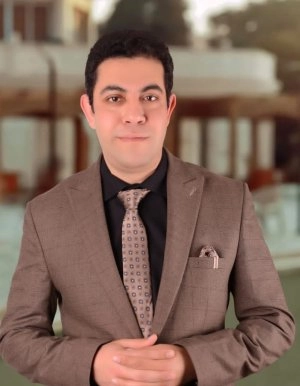

Published on: 2026-06-17 | Written by: Dr. Ahmed Arabi Farag Pediatric Neurology

Dr. Ahmed Arabi Farag, a specialist in neurological and behavioral disorders in children and adolescents, emphasizes that early intervention in cases of speech delay significantly improves language and communication skills and helps prevent future learning and communication difficulties.
ــــــــــــــــــــــــــــــــــــــــــــــــــــــــــــــــــــــــــــــــــــــــــــــ
Speech delay refers to a child’s inability to use words or sentences at the expected developmental age, while language delay refers to difficulty in understanding or expressing language effectively.
Dr. Ahmed Arabi Farag explains that the distinction between normal variation and pathological delay depends on a comprehensive evaluation of the child’s language and behavioral development.
ــــــــــــــــــــــــــــــــــــــــــــــــــــــــــــــــــــــــــــــــــــــــــــــ
There are multiple possible causes, including:
Hearing impairment or ear problems
Lack of linguistic stimulation in the home environment
Neurological developmental delay
Autism spectrum disorders
Anxiety or emotional stress
Excessive screen time
Genetic factors
Dr. Ahmed Arabi Farag notes that the most common cause is insufficient language stimulation and limited interaction with the child.
ــــــــــــــــــــــــــــــــــــــــــــــــــــــــــــــــــــــــــــــــــــــــــــــ
Common signs include:
No clear words by age 2
Poor response when called
Relying on gestures instead of speech
Difficulty forming simple sentences
Repeating words without understanding
Dr. Ahmed Arabi Farag emphasizes that early recognition of these symptoms allows for timely intervention and better outcomes.
ــــــــــــــــــــــــــــــــــــــــــــــــــــــــــــــــــــــــــــــــــــــــــــــ
Not all speech delays are serious, but medical evaluation is recommended if:
The child has no clear words by age 2
The child cannot form simple sentences by age 3
There is poor social or eye contact
Dr. Ahmed Arabi Farag confirms that early assessment is essential to identify the root cause and develop an appropriate treatment plan.
ــــــــــــــــــــــــــــــــــــــــــــــــــــــــــــــــــــــــــــــــــــــــــــــ
Diagnosis involves:
Assessment of language development
Hearing tests
Cognitive and behavioral evaluation
Observation of social interaction
Exclusion of other developmental disorders
Dr. Ahmed Arabi Farag emphasizes that accurate diagnosis is the foundation of an effective treatment plan.
ــــــــــــــــــــــــــــــــــــــــــــــــــــــــــــــــــــــــــــــــــــــــــــــ
Treatment depends on the underlying cause and may include:
Helps improve pronunciation, vocabulary, and sentence formation.
Aims to improve communication and social interaction skills.
Includes treating hearing problems or neurological conditions if present.
Talking to the child regularly
Reading stories aloud
Reducing screen time
Encouraging verbal expression
Dr. Ahmed Arabi Farag emphasizes that family involvement is as important as medical treatment in improving outcomes.
ــــــــــــــــــــــــــــــــــــــــــــــــــــــــــــــــــــــــــــــــــــــــــــــ
Communicate with the child daily
Use simple and clear words
Encourage repetition
Engage in interactive play
Avoid comparing children
Dr. Ahmed Arabi Farag notes that a rich linguistic environment significantly accelerates speech development.
ــــــــــــــــــــــــــــــــــــــــــــــــــــــــــــــــــــــــــــــــــــــــــــــ
Speech and language delay is not always a serious problem, but it requires careful monitoring to determine the cause and appropriate treatment. With early intervention, significant improvement in communication and language skills can be achieved.
In conclusion, Dr. Ahmed Arabi Farag emphasizes that early diagnosis and prompt intervention are the key to treating speech delay and improving a child’s academic and social future. He also stresses the importance of continuous monitoring of the child’s development, and that cooperation between the family and the physician leads to the best possible outcomes.